
 Image 1 of 2
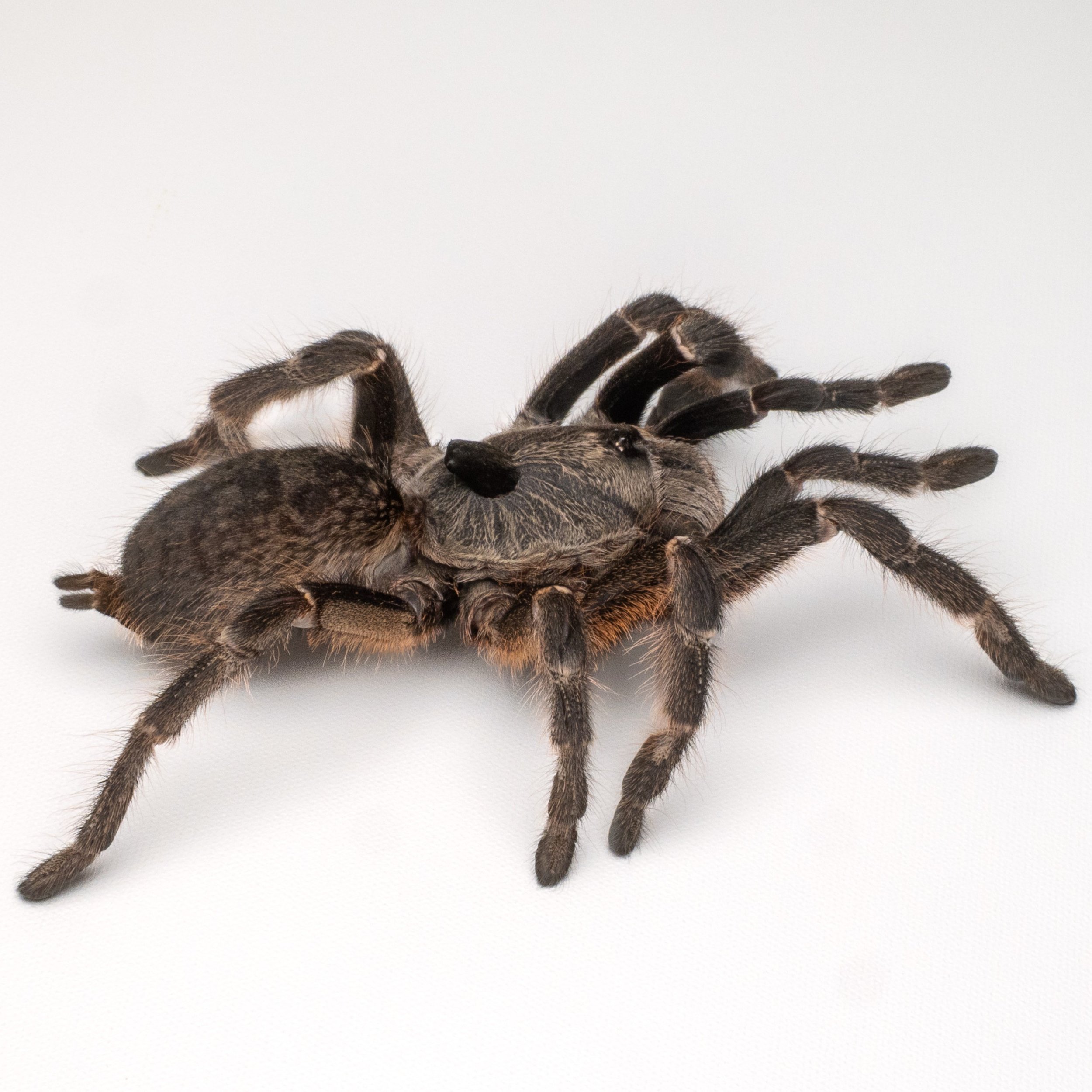 Image 2 of 2
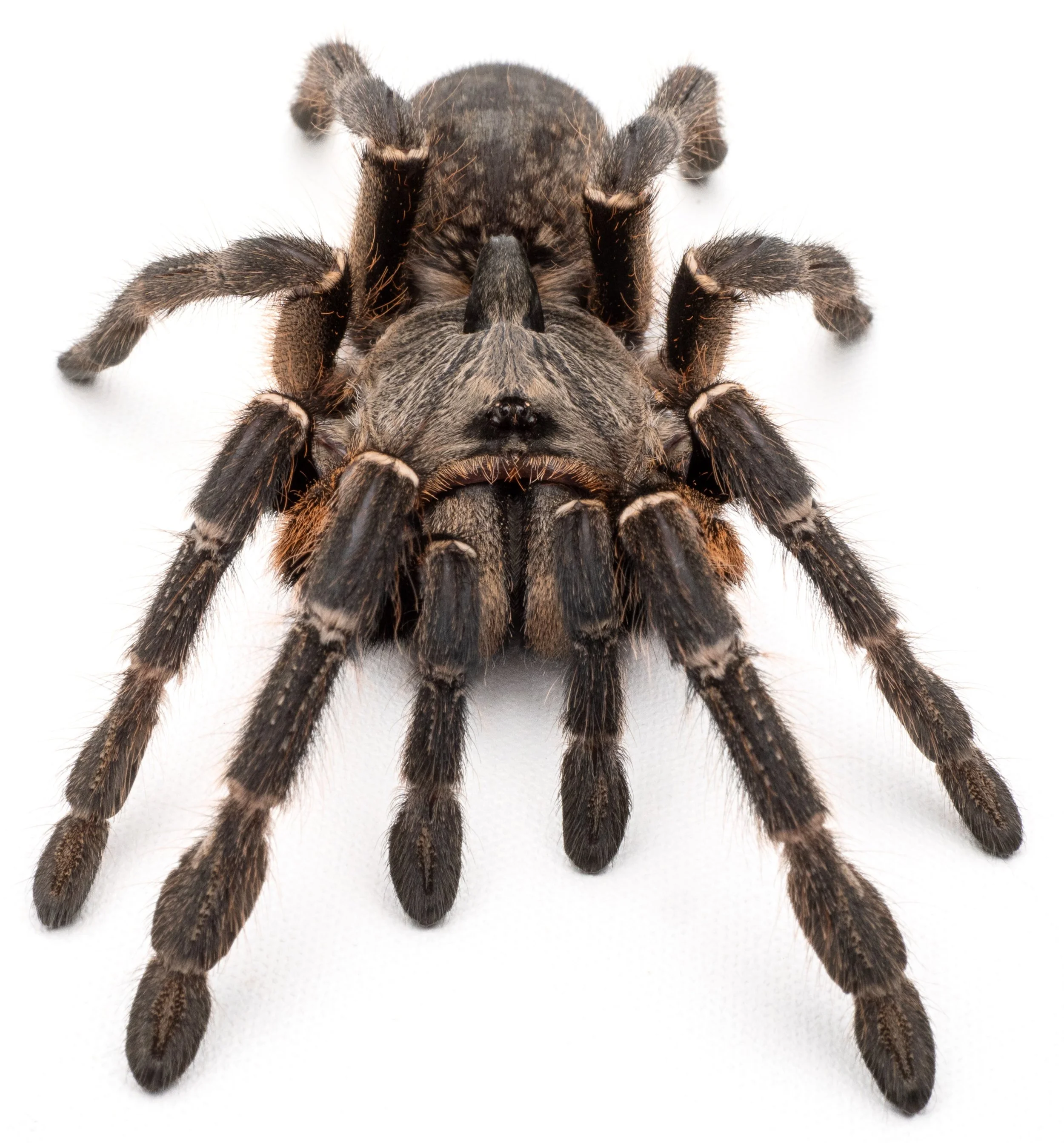
Ceratogyrus darlingi - Rear-Horned Baboon
Approx. 4"+ confirmed female already established in a Tarantula Cribs Fossorial Hexagon, an enclosure worth about $150 by itself. The enclosure is set up as a complete fossorial habitat with deep substrate, a secure retreat, water dish and plenty of room for burrowing and webbing, so you're getting a mature female tarantula and her complete ready-to-go display setup.
The Rear-Horned Baboon is one of the most recognizable African tarantulas thanks to the distinctive horn projecting from the carapace of mature specimens. They're hardy, strong feeders and impressive webbers that will readily excavate and modify their enclosure when given enough substrate.
They can be fast and defensive when disturbed, but once established they're generally much more interested in retreating into their burrow than remaining exposed.
Care Guide: https://www.thetarantulacollective.com/caresheets/ceratogyrus-darlingi
Ceratogyrus darlingi - Rear-Horned Baboon
Approx. 4"+ confirmed female already established in a Tarantula Cribs Fossorial Hexagon, an enclosure worth about $150 by itself. The enclosure is set up as a complete fossorial habitat with deep substrate, a secure retreat, water dish and plenty of room for burrowing and webbing, so you're getting a mature female tarantula and her complete ready-to-go display setup.
The Rear-Horned Baboon is one of the most recognizable African tarantulas thanks to the distinctive horn projecting from the carapace of mature specimens. They're hardy, strong feeders and impressive webbers that will readily excavate and modify their enclosure when given enough substrate.
They can be fast and defensive when disturbed, but once established they're generally much more interested in retreating into their burrow than remaining exposed.
Care Guide: https://www.thetarantulacollective.com/caresheets/ceratogyrus-darlingi