
One of the things that shocks people when they first get into tarantulas is just how long some of them can live.
You tell somebody a spider might be around for twenty, twenty-five, or even thirty years, and they usually look at you like you just made that up on the spot. But female tarantulas really can be extraordinarily long-lived compared with most other invertebrates, while mature males ,eh, not so much. Research on tarantula aging and reproduction consistently notes that adult males have a much shorter post-maturity lifespan, while females in some theraphosid species can live for decades and continue molting as adults.
That makes tarantulas a very different kind of pet commitment than most people expect. A female from the right species is not a short-term novelty. She may be around longer than your car, your dog, or your current relationship.
Before getting into the list, one important caveat: exact “top five” rankings are a little messy. Published numbers, zoo records, and long-term keeper experience do not always line up perfectly, and some sources are more conservative than hobby lore. So treat this as a practical educational list of five species consistently discussed among the longest-lived females in the hobby, not a Guinness World Records table for spiders.
Why Female Tarantulas Live So Much Longer Than Males
This is the first thing worth understanding, because it shapes the entire conversation.
When people talk about a tarantula living twenty to thirty years, they are almost always talking about a female. Mature males are playing a very different game. Once a male reaches his ultimate molt, his biology shifts toward reproduction, and his remaining lifespan is usually short by comparison. Several studies and reviews note that mature males often live only a year or two after maturity, while females can keep molting and live dramatically longer.
That means longevity in tarantulas is not just about species. It is also heavily about sex, growth rate, and life-history strategy. Slow-growing, burrow-oriented species, especially dryland New World terrestrials, tend to dominate this conversation for a reason.
5. Tliltocatl albopilosus, the Curly Hair Tarantula
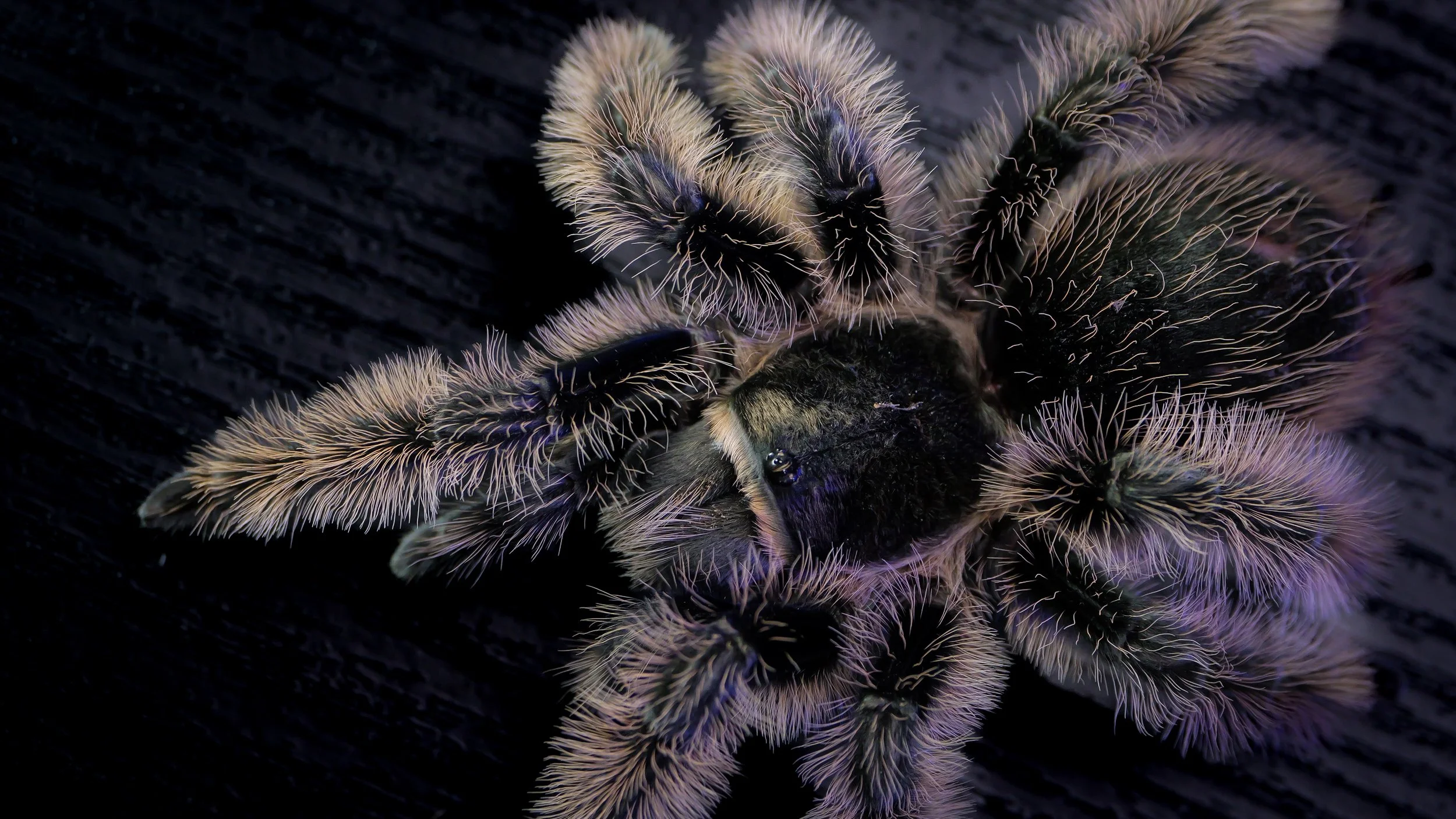
Tliltocatl albopilosus - Curly Hair Tarantula
The Curly Hair Tarantula is one of those species people sometimes overlook because it has been common in the hobby for so long. It does not have the dramatic contrast of a Red Knee or the jet-black finish of a Brazilian Black. What it has instead is durability, personality, and serious staying power. Female Curly Hairs are commonly placed at up to about 25 years in captivity, which is why this species absolutely belongs in a longevity list. The currently accepted name is Tliltocatl albopilosus, though many keepers still know it by the older name Brachypelma albopilosum.
A quick taxonomy note matters here because this species has had a little hobby baggage of its own. Keepers have long talked about “Honduran” and “Nicaraguan” Curly Hairs, with some breeders arguing that the so-called Nicaraguan form represents the more dependable, less muddied line. Whether or not every specimen in the trade has a perfectly clean background, the broader point is that this species has been shuffled around taxonomically and discussed in mixed forms for years. That kind of confusion is not unusual in tarantulas, especially species that were imported heavily and bred widely before hobby record-keeping got better.
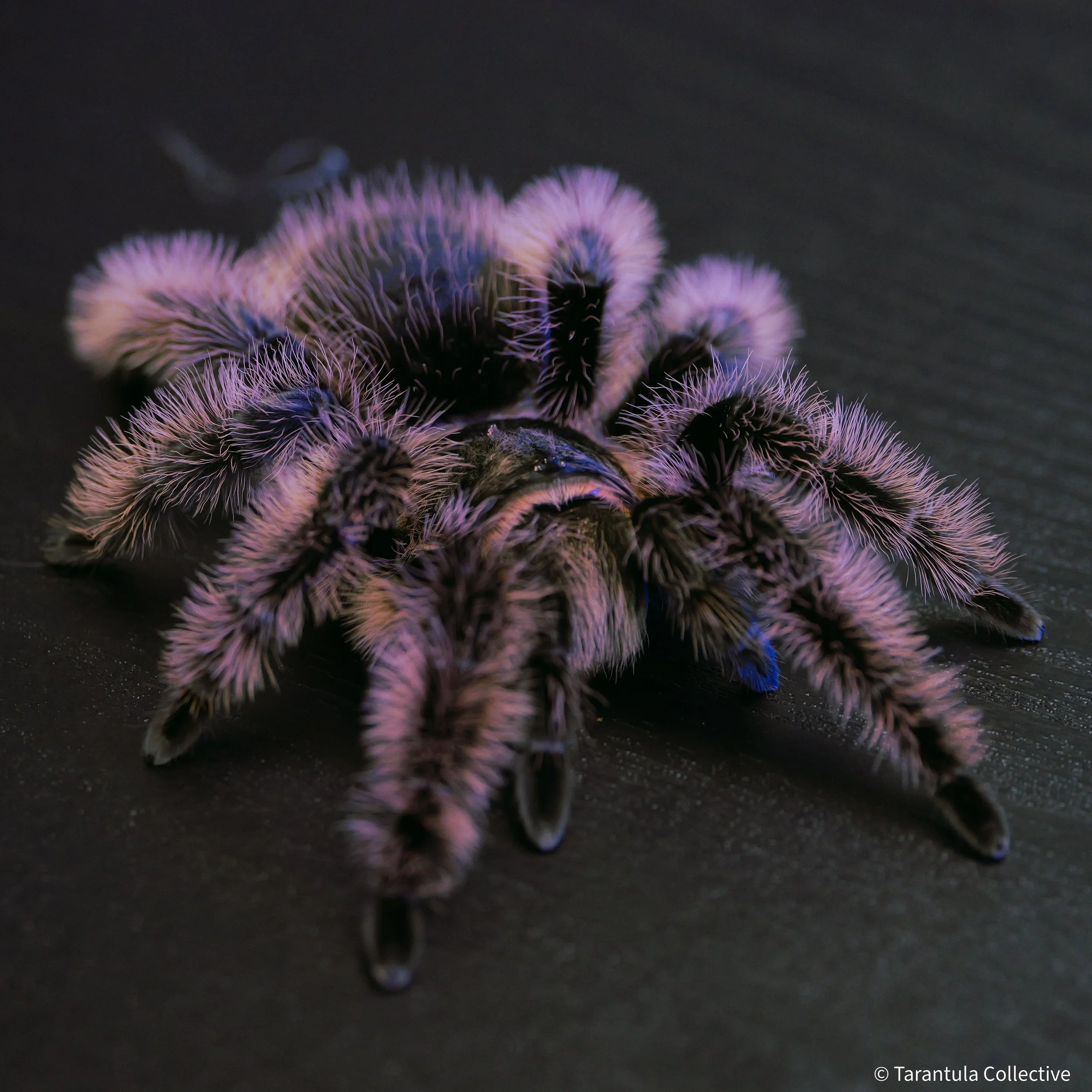
Tliltocatl albopilosus - Curly Hair Tarantula
What makes Curly Hairs especially relevant to longevity is the kind of life they are built for. They are terrestrial, semi-burrowing New World tarantulas from parts of Central America, and in the wild they are associated with humid lowland habitats where they use burrows, root spaces, and other sheltered microhabitats. In captivity, they reward patience. They grow slowly, settle in well, and tend to mature into exactly the kind of spider that can quietly remain part of a collection for decades. They are not high drama. They are just built to last.
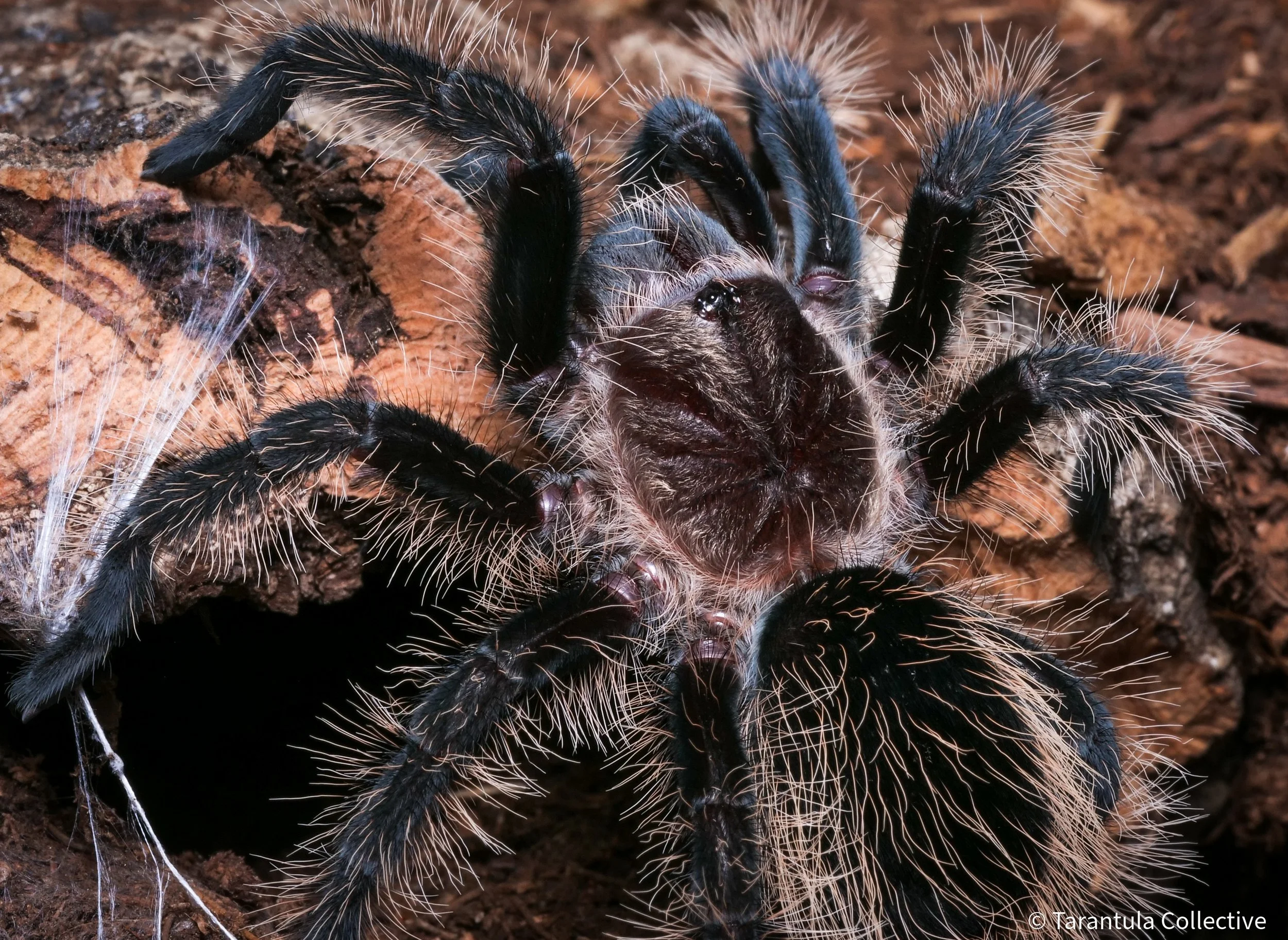
Tliltocatl albopilosus - Curly Hair Tarantula juvenile
That is part of why people get attached to them. They start out looking like the cutest, grumpiest, fuzzy-fanged creature you will ever lay eyes on. Over enough years they stop feeling like a novelty and start feeling like one of the permanent residents of your home. That is a big part of the charm with long-lived tarantulas. Sometimes the species with the most staying power are not the brightest or most active. They are the ones that just keep showing up to eat, year after year.
4. Grammostola pulchra, the Brazilian Black
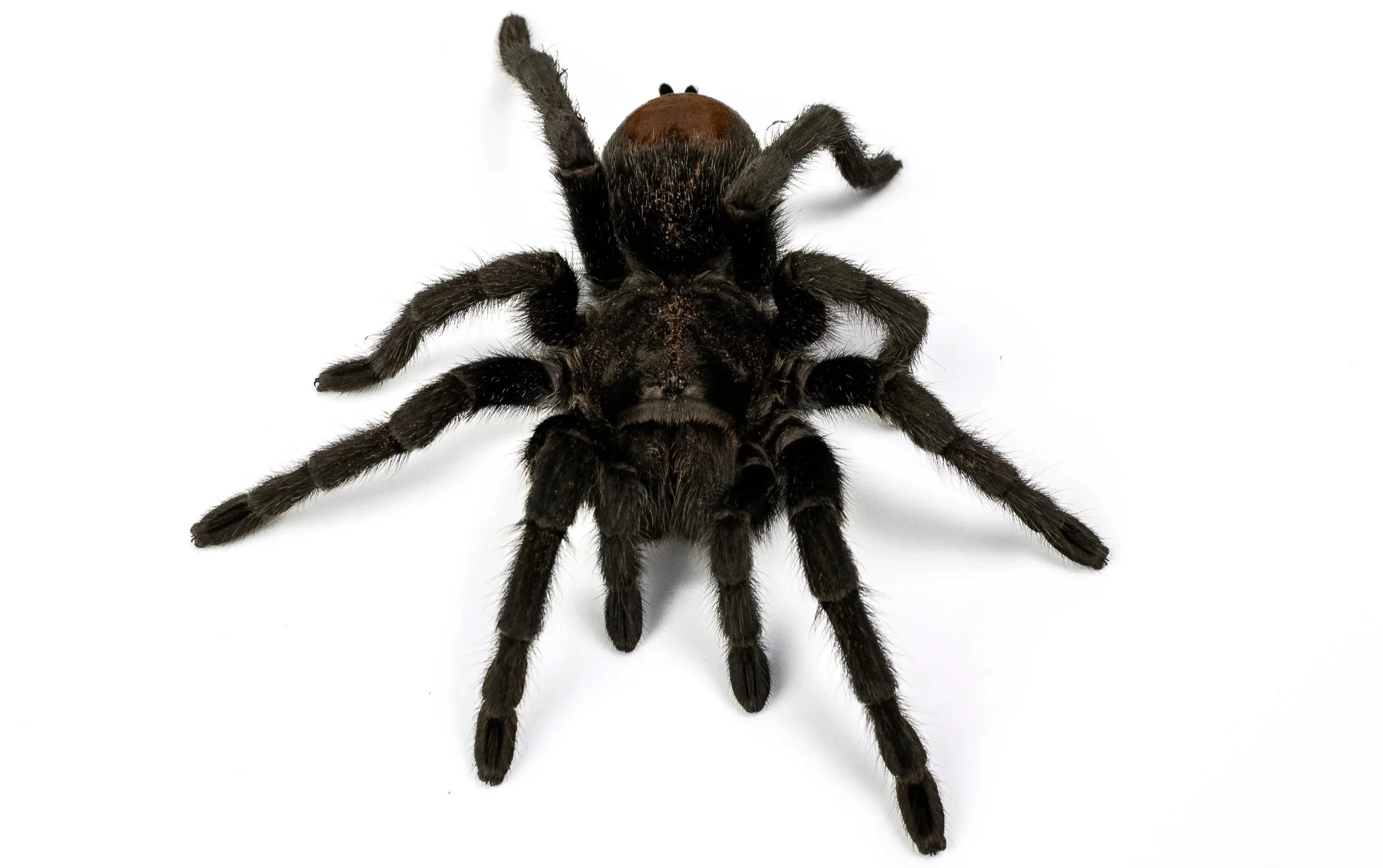
Grammostola pulchra - Brazilian Black Tarantula
Grammostola pulchra is still one of the most sought-after tarantulas in the hobby, and for a damn good reason. When fully grown, they have that deep, velvety black look that makes them stand out without needing bright colors or intricate patterns, and females are often reported in the 25 to 30 year range in captivity. Exact numbers vary depending on the source, but this is clearly one of the hobby’s true long-haul species. The accepted name for the true Brazilian Black remains Grammostola pulchra…
But this species also comes with some real taxonomic baggage, and that is part of what makes it interesting. A 2023 redescription helped clarify G. pulchra from southern Brazil and also emphasized how similar it can be in coloration to Grammostola quirogai. G. quirogai is a separate species, originally described in 2016, and the World Spider Catalog currently lists it from Brazil and Uruguay. In other words, when people in the hobby talk about big black Grammostola, there is a very real reason the conversation gets messy. These spiders can look similar enough that for years a lot of specimens were effectively treated like the same thing.
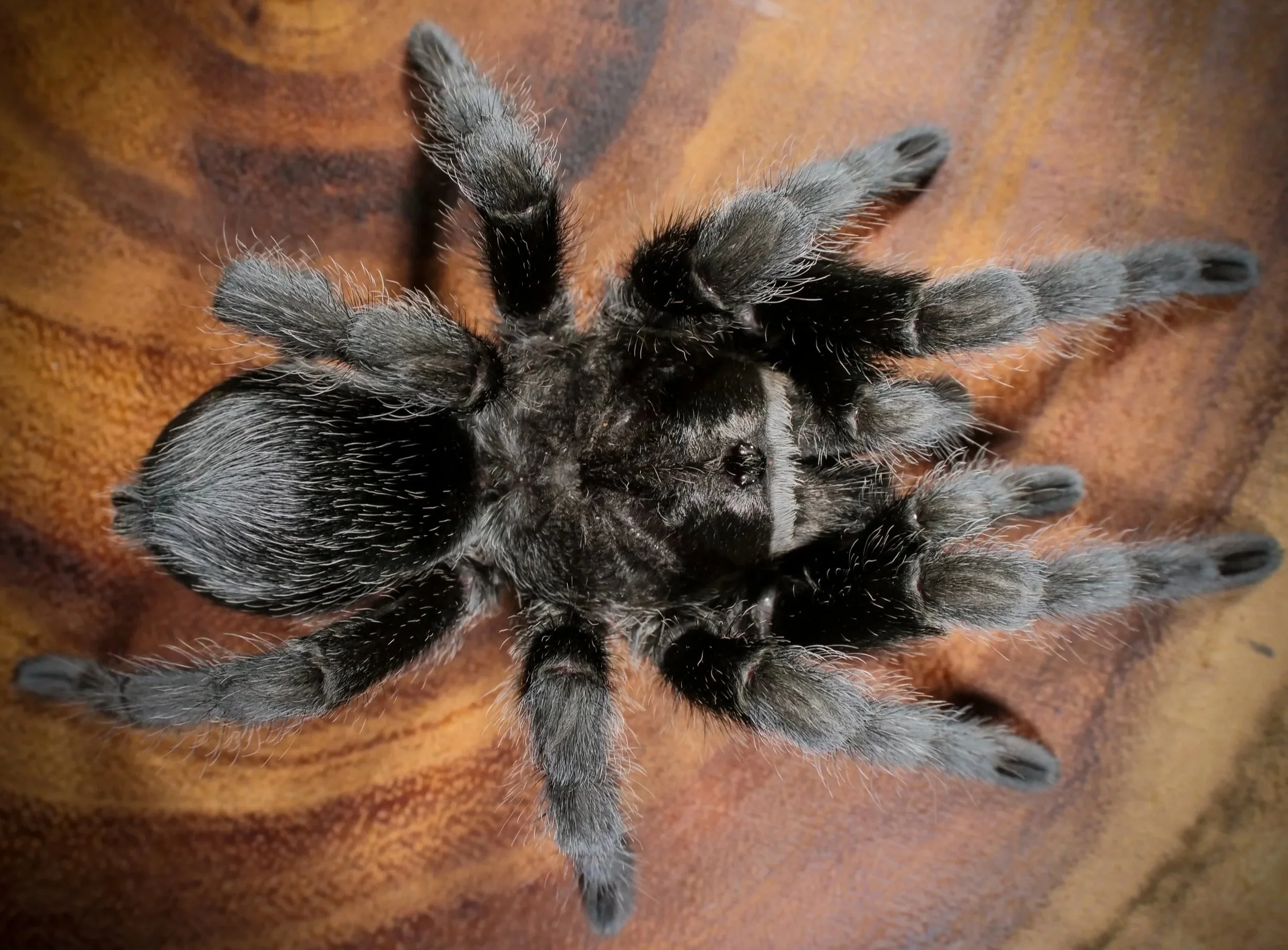
Grammostola pulchra - Brazilian Black Tarantula
That does not mean every black Grammostola in the hobby is mislabeled. It does mean the label “Brazilian Black” has carried more ambiguity than most keepers realized, especially when older imports and breeding lines were involved. So if you have ever felt like the discussion around G. pulchra and G. quirogai got muddy fast, that is because it actually did. The taxonomy has been cleaned up a lot, but the hobby is still catching up.
What has never been in doubt is why people want them. Brazilian Blacks are famously slow growers, and that slow pace is part of the tradeoff. If you buy one as a sling, you may be waiting years for it to become that thick-bodied black adult people obsess over. But that same glacial growth rate is also part of why they tend to live so long. This is not a species for somebody who needs instant gratification. It is the kind of tarantula that rewards patience and then stays in your life for a very long time.
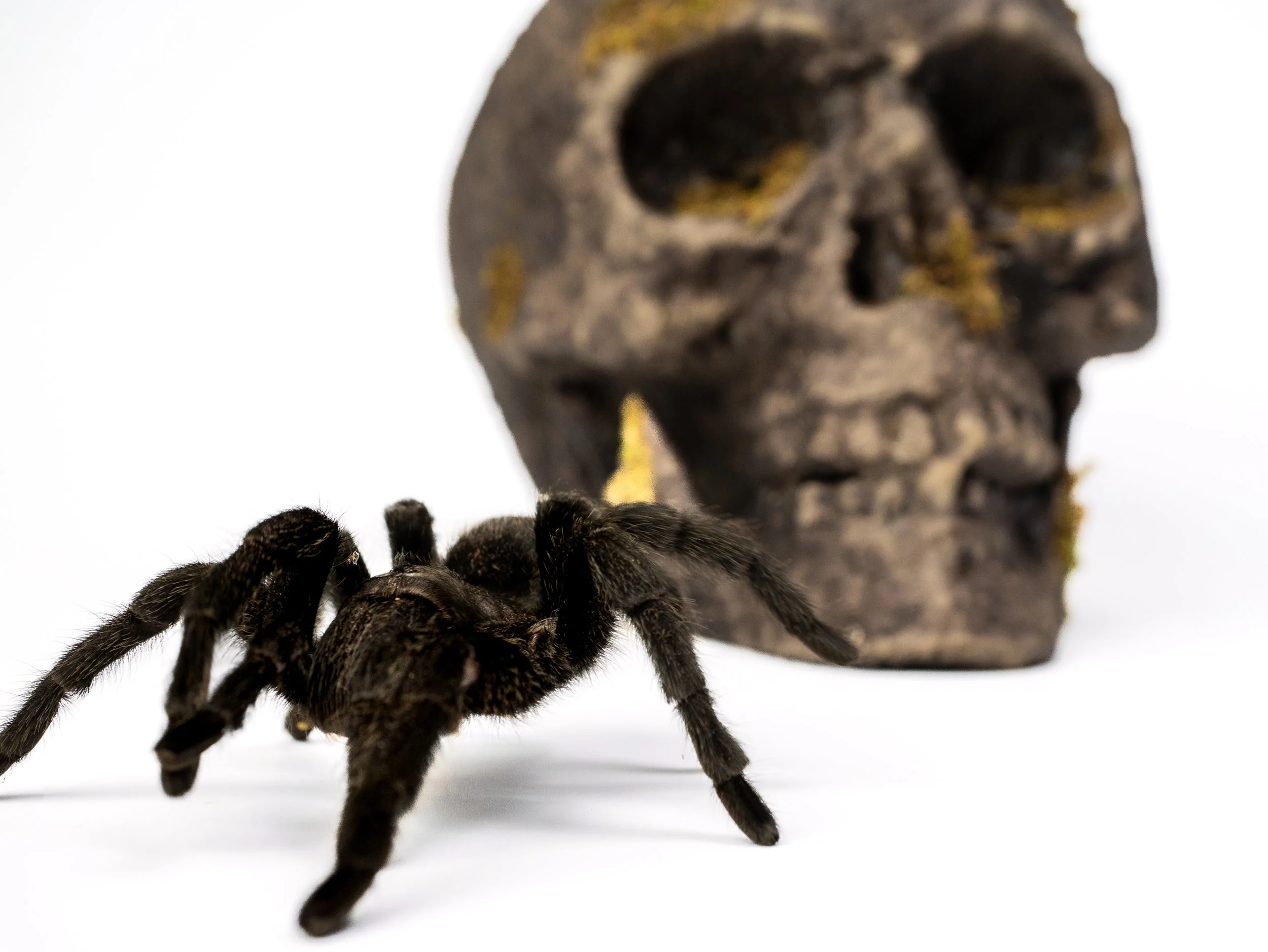
Grammostola pulchra - Brazilian Black Tarantula
They are also one of those species that reward a different kind of keeper. Not somebody looking for instant gratification, but somebody willing to wait, pay attention, and appreciate the long game. Because once a Brazilian Black finally reaches that mature form, it is not just impressive. It is the kind of spider that can anchor a collection for decades.
3. Brachypelma hamorii, the Mexican Red Knee Tarantula
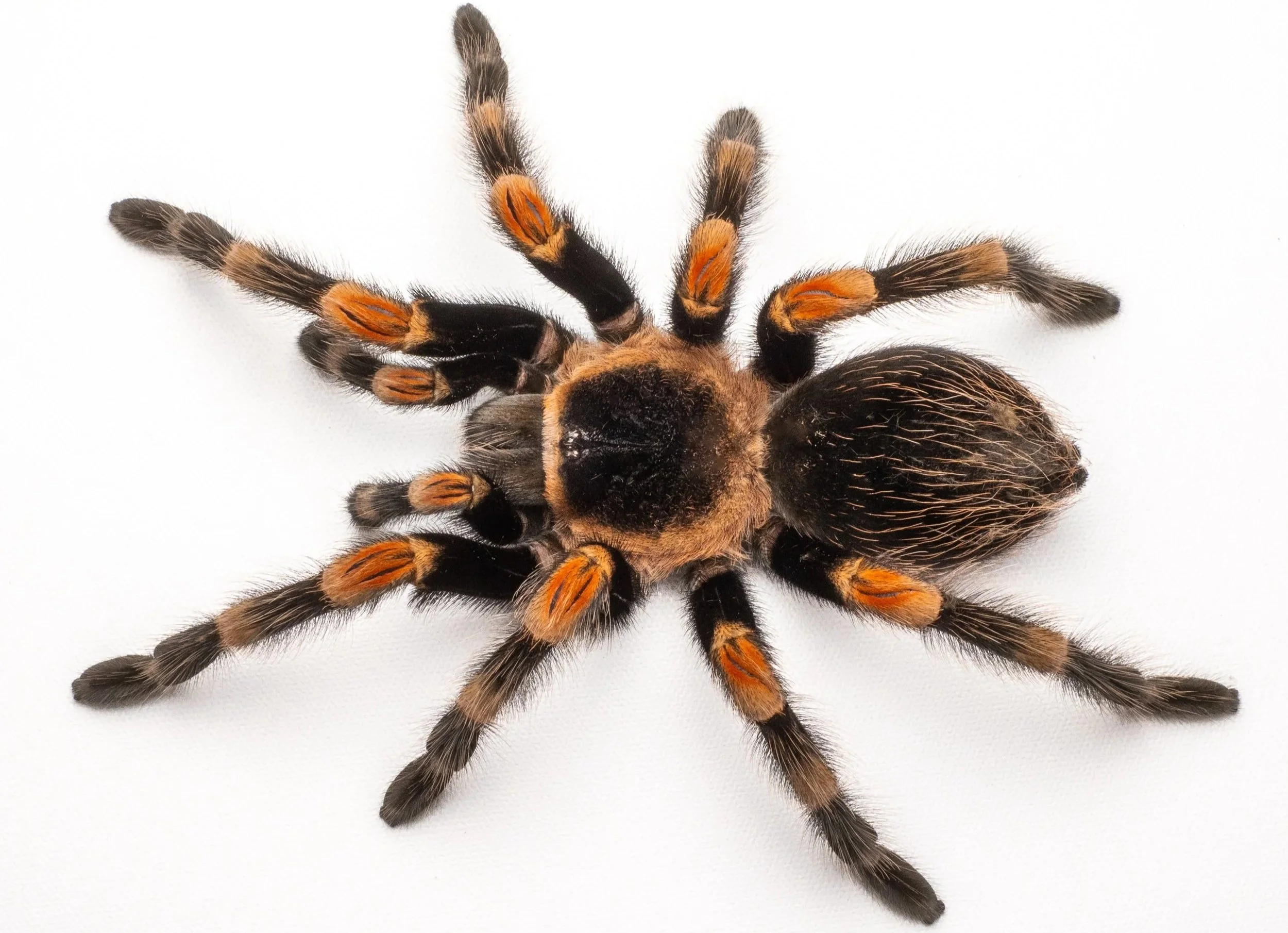
Brachypelma hamorii - Mexican Red Knee Tarantula
If there is a tarantula that became the public face of the hobby, it is probably the Mexican Red Knee.
Brachypelma hamorii is one of the best-known tarantulas in the world, and it belongs in any real conversation about longevity. Female Red Knees are commonly reported in the 25 to 30 year range in captivity, and that lines up with both long-standing hobby experience and zoo education materials that describe them as one of the most long-lived tarantulas people regularly keep.
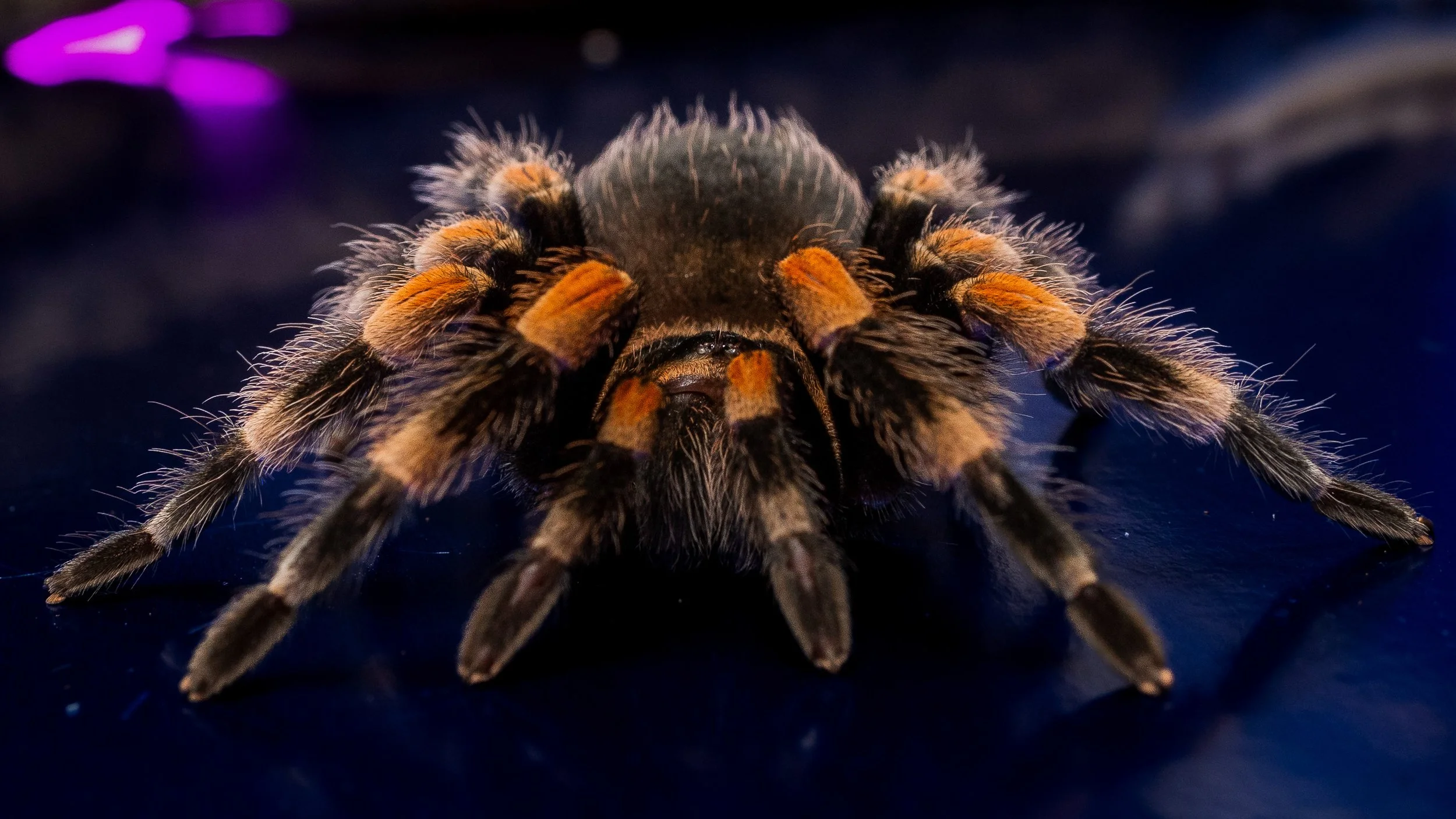
Brachypelma hamorii - Mexican Red Knee Tarantula
Part of what makes this species so interesting is that even the name has a history. For years, a huge number of “Mexican Red Knees” in the hobby were called Brachypelma smithi, and a lot of older books, care sheets, and even movie references use that name. But a 2017 systematic revision helped clean up the mess, using both morphology and DNA barcoding to separate B. hamorii from B. smithi more clearly. That paper also suggested the Balsas River basin may act as a geographic barrier between the two species. So if you have been around the hobby long enough to remember when every red-kneed tarantula was just called smithi, you were not imagining that confusion. The hobby really did spend years vending these spiders together under the wrong label.
The true Brachypelma hamorii is native to western Mexico, especially parts of Colima, Jalisco, and Michoacán, where it inhabits dry forest and scrub habitats with rocky ground and burrow opportunities. That environment matters, because it helps explain why this species lives the way it does. Red Knees are not built for speed, rapid growth, or constant activity. They are built for patience. They grow slowly, spend much of their lives in or near burrows, and conserve energy in habitats where food availability and seasonal conditions can be unpredictable. That slow, deliberate pace is exactly the kind of life-history strategy that tends to favor longevity in female tarantulas.
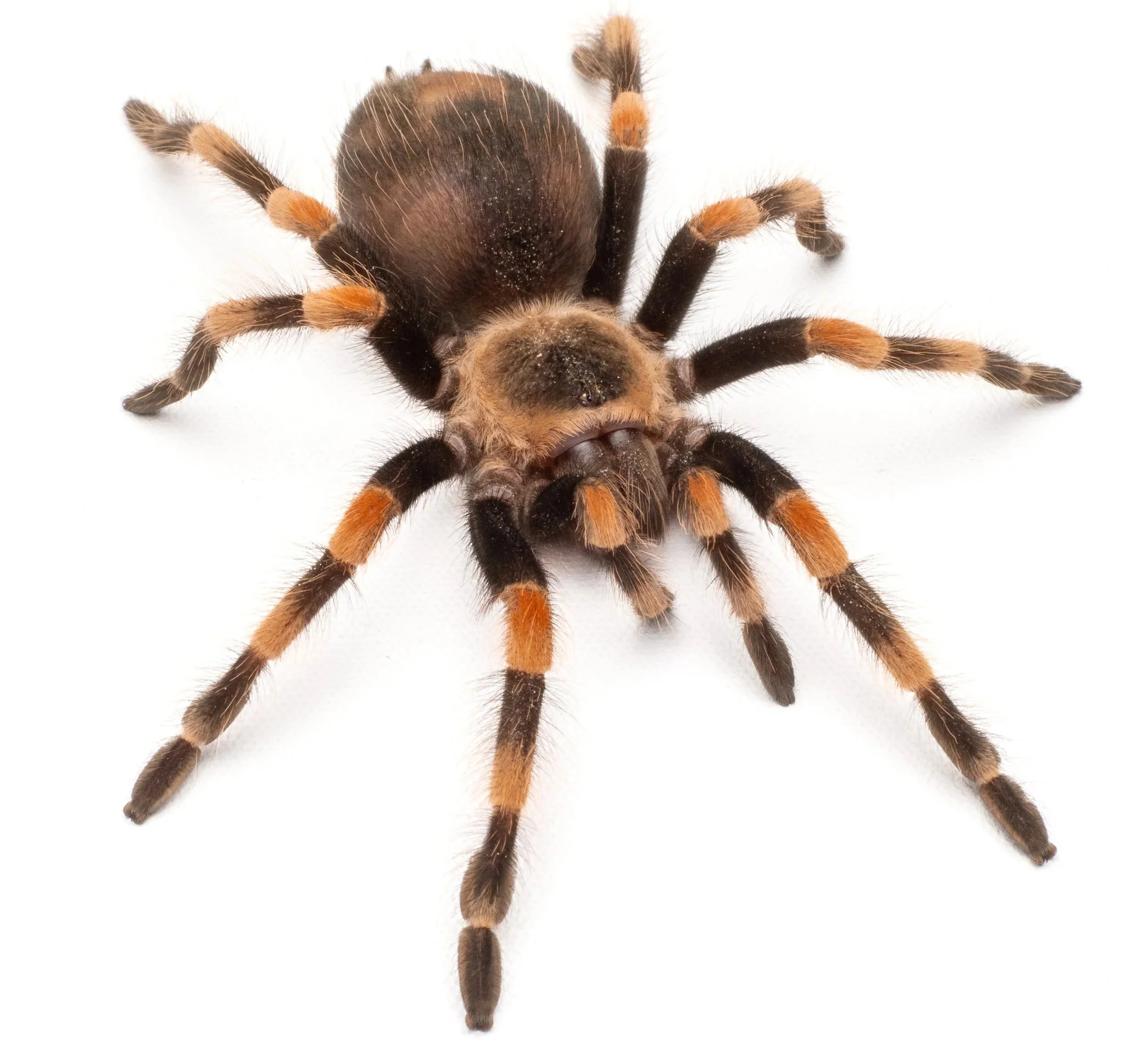
Brachypelma hamorii - Mexican Red Knee Tarantula juvenile (premolt)
That slow pace is also the reason this species teaches patience better than almost any beginner tarantula in the hobby. If you buy one as a sling, you are not getting an immediate payoff. You may spend years waiting for that classic black-and-orange pattern to really come into its own. But once it does, you end up with one of the most recognizable spiders on earth, and one that may still be with you decades later. That is part of why Red Knees have stayed so iconic for so long. They are not just beautiful. They are durable, steady, and built for the long haul.
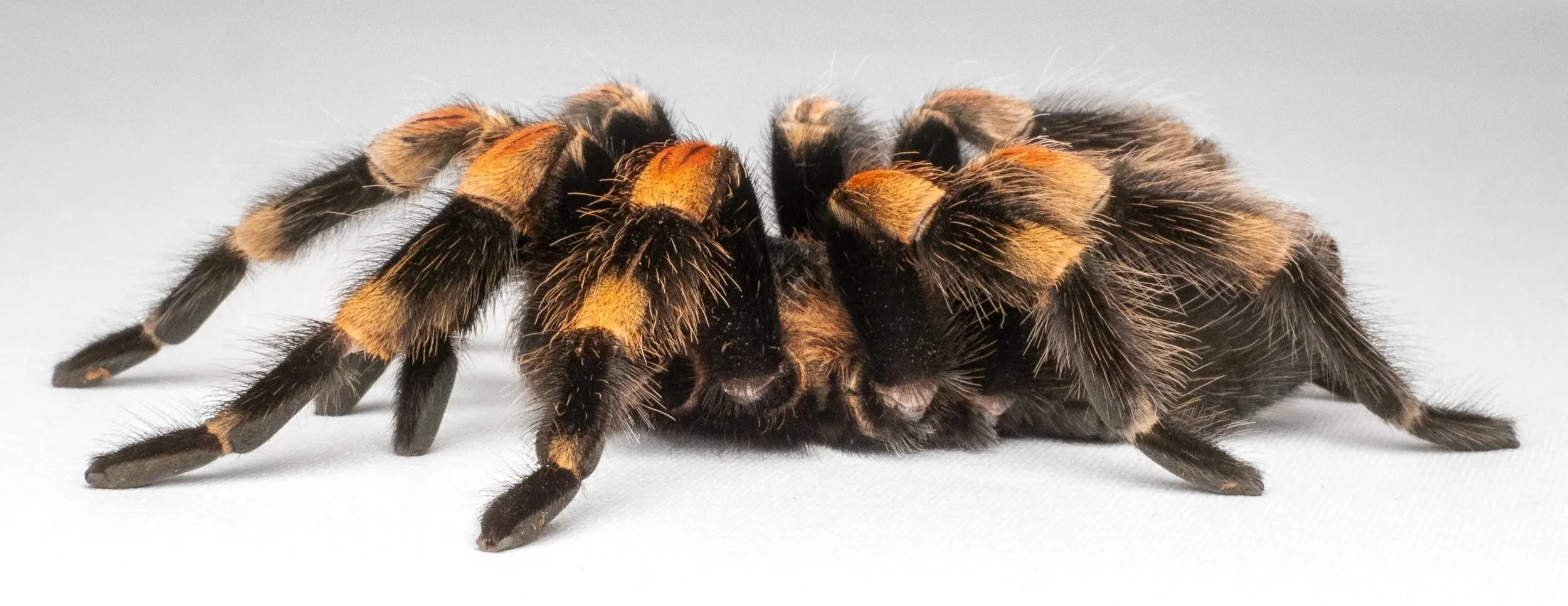
Brachypelma hamorii - Mexican Red Knee Tarantula
There is also a conservation side to this species that should not get ignored just because it is common in captivity. Brachypelma hamorii is listed as Vulnerable and, like all Brachypelma, falls under CITES Appendix II trade controls. Wild populations have been pressured by overcollection and habitat loss, and more recent zoo and conservation messaging has also pointed to urban development and roads as contributors to fragmentation and mortality. That is one more reason captive breeding matters. The Mexican Red Knee is one of the best examples of a species that became famous enough to be heavily exploited, then important enough to become a conservation symbol for the hobby as well.
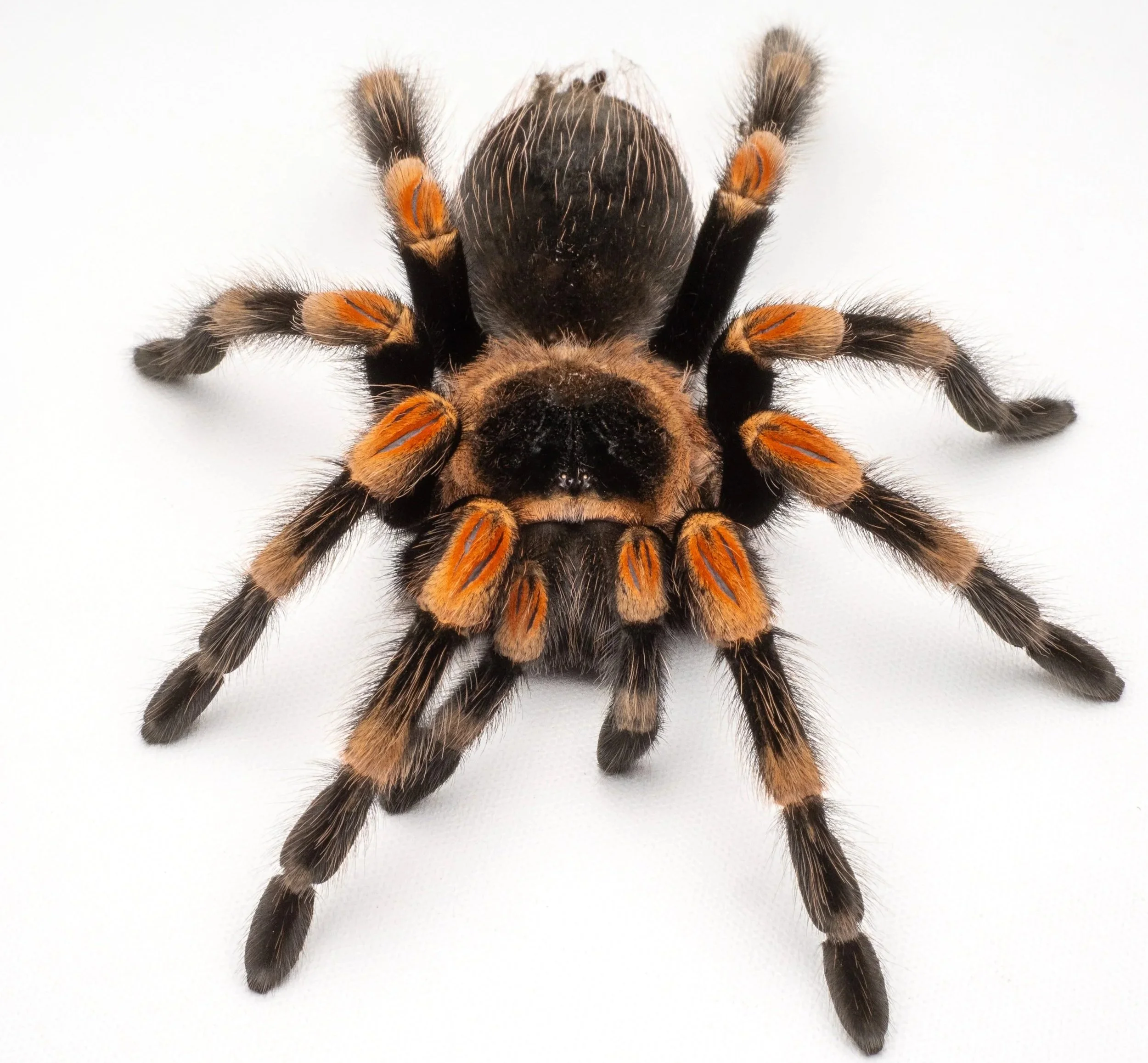
Brachypelma hamorii - Mexican Red Knee Tarantula
That is really what makes Brachypelma hamorii more than just the “classic beginner tarantula.” It is an animal with a long lifespan, a tangled taxonomic history, real conservation relevance, and the kind of iconic status that shaped the hobby itself. If you raise a female Red Knee from a young spider, you are not just keeping one of the most recognizable tarantulas in the world. You are taking on a species that you may need to bequeath in your will.
2. Aphonopelma anax, the Texas Tan Tarantula
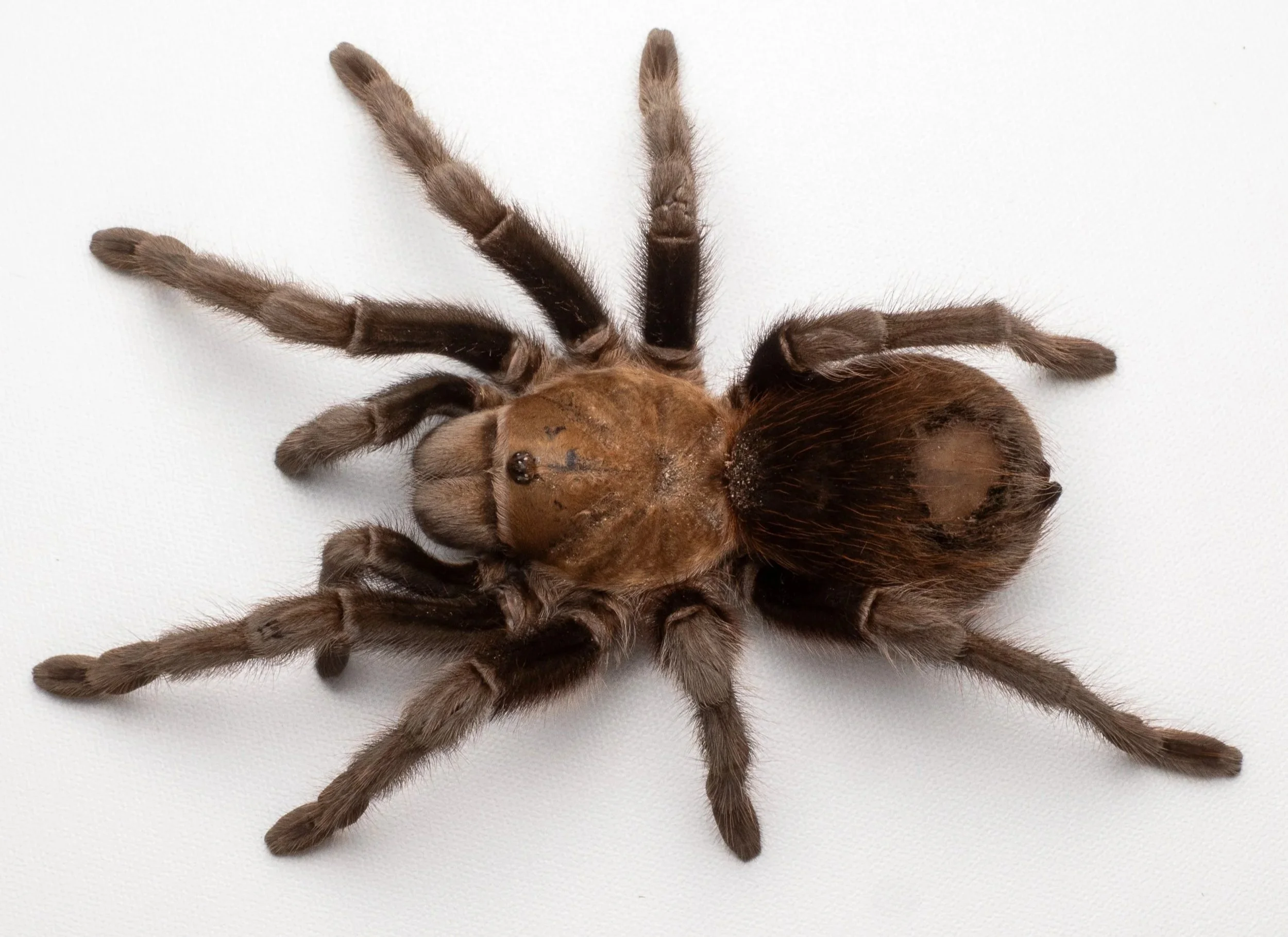
Aphonopelma anax - Texas Tan Tarantula (female)
Once you get into Aphonopelma, you are firmly in “this spider may be here forever” territory.
Aphonopelma anax does not usually get the same level of hype as Aphonopelma chalcodes, but it probably deserves a lot more attention than it gets. It is one of the largest Aphonopelma in the United States, and it has the kind of lifespan that pushes it straight into long-term relationship territory. The World Spider Catalog currently recognizes Aphonopelma anax as the accepted name, with distribution in the United States and Mexico, and the 2016 U.S. revision of Aphonopelma also cleaned up some of the taxonomic mess around it by synonymizing Aphonopelma breenei under A. anax. In other words, this is a real, well-supported species, not just one of those old hobby names floating around without a clear identity.
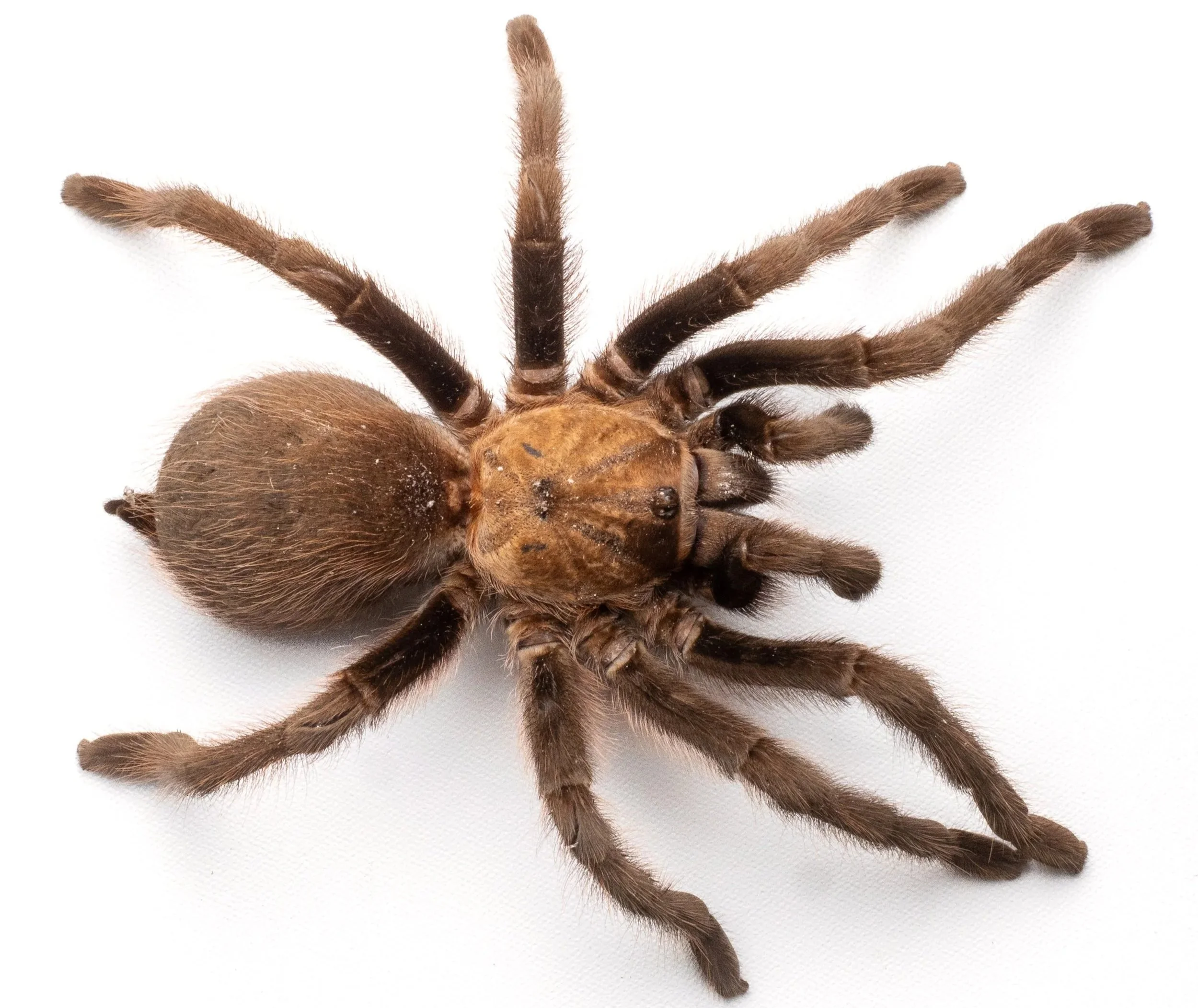
Aphonopelma anax - Texas Tan Tarantula (male)
What makes A. anax especially interesting is that it has actually shown up in scientific work more than a lot of us realize. Researchers have used it to study metabolism, movement, and temperature use, which gives us a more detailed picture of how this spider lives. In one study on resting metabolic rate, the authors pointed out that the species shows extreme life-history differences between males and females after sexual maturity. In another, researchers found that mature male Texas Tans were capable of searching areas up to 29 hectares and moving up to 365 meters in a day during the breeding season. That is a very different picture from the one most people have in their heads when they think of a tarantula as just sitting in a hole waiting for something dumb enough to walk by.
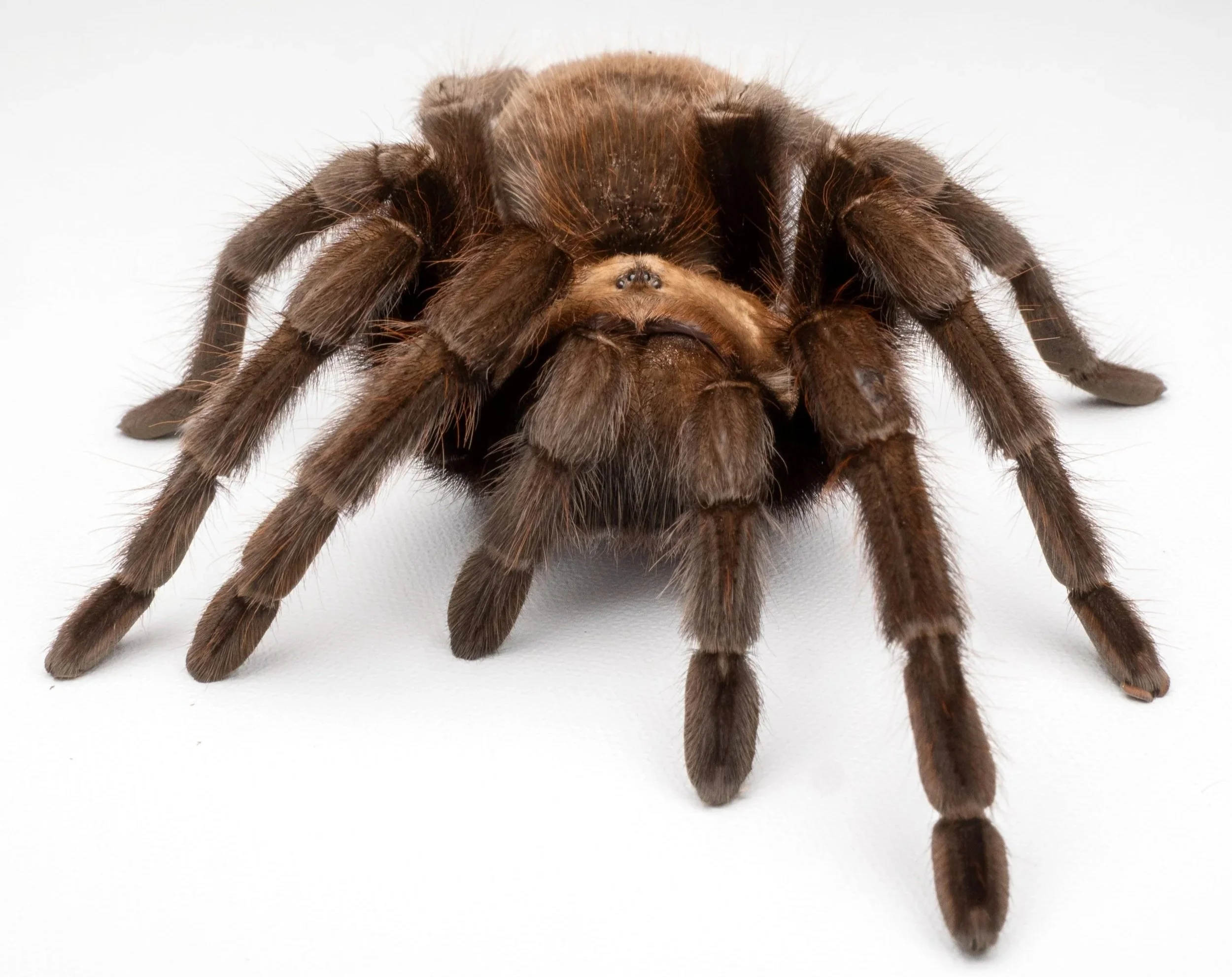
Aphonopelma anax - Texas Tan Tarantula (female)
That said, the females are much closer to that classic tarantula template, and that is exactly why they tend to be so long-lived. The physiology papers on A. anax make this contrast really clear: males are built around roaming, mate-searching, and burning through energy once they mature, while females remain fossorial and sedentary. In plain English, the female plays the long game. She stays tucked away in a burrow, wastes very little energy, and lives the kind of slow, deliberate life that often goes hand in hand with exceptional longevity in tarantulas.
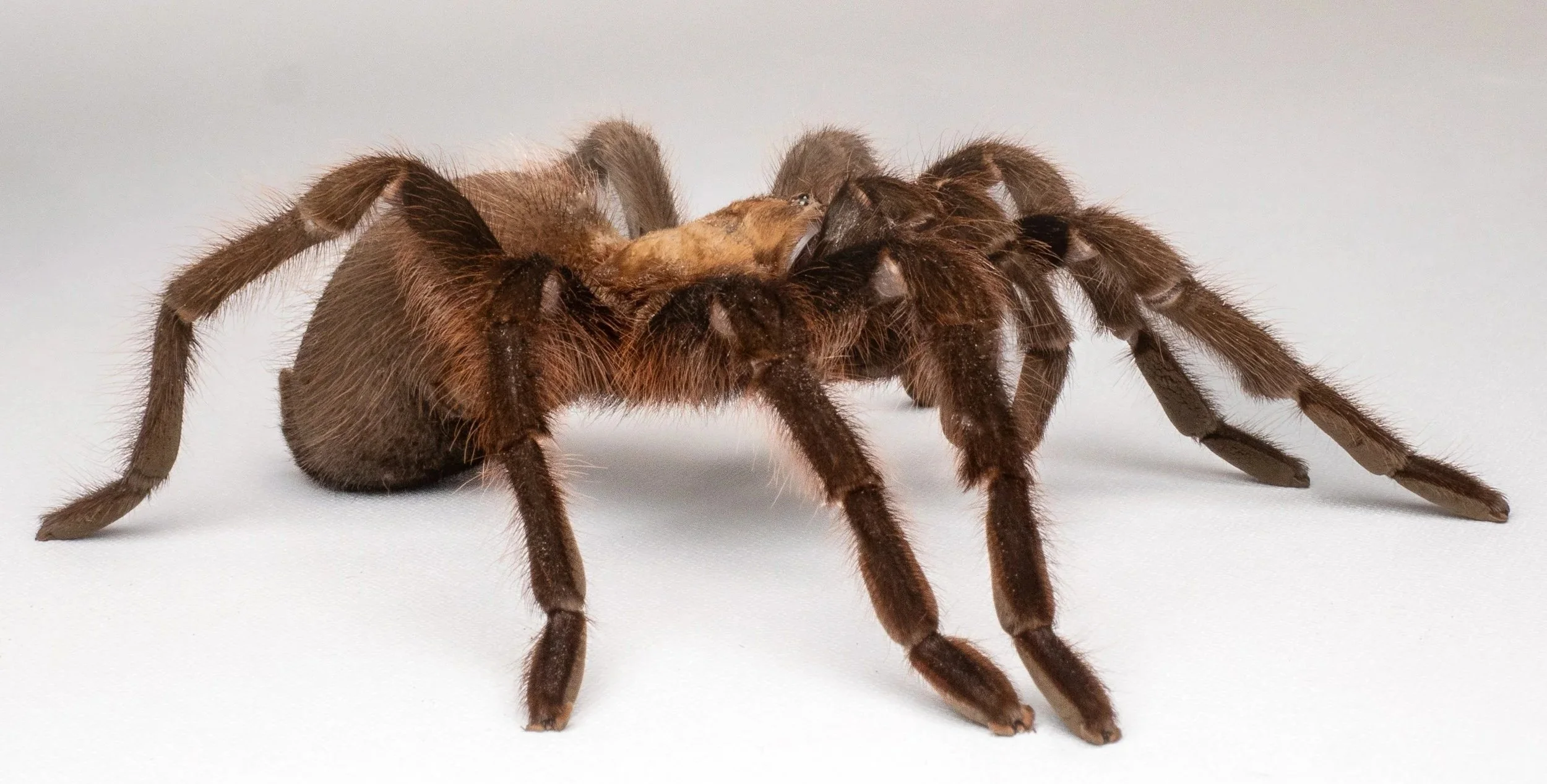
Aphonopelma anax - Texas Tan Tarantula (male)
There is also a strong thermal ecology angle here that fits the same story. Work on male A. anax during the mating season found that temperatures in their environment often exceeded 40°C, and the study concluded that males were thermoregulating effectively while environmental temperatures were within their normal active range. That matters because it reinforces the idea that this is a spider from a harsh, seasonally demanding environment where energy management and microhabitat choice are not optional. They are part of how the animal survives.
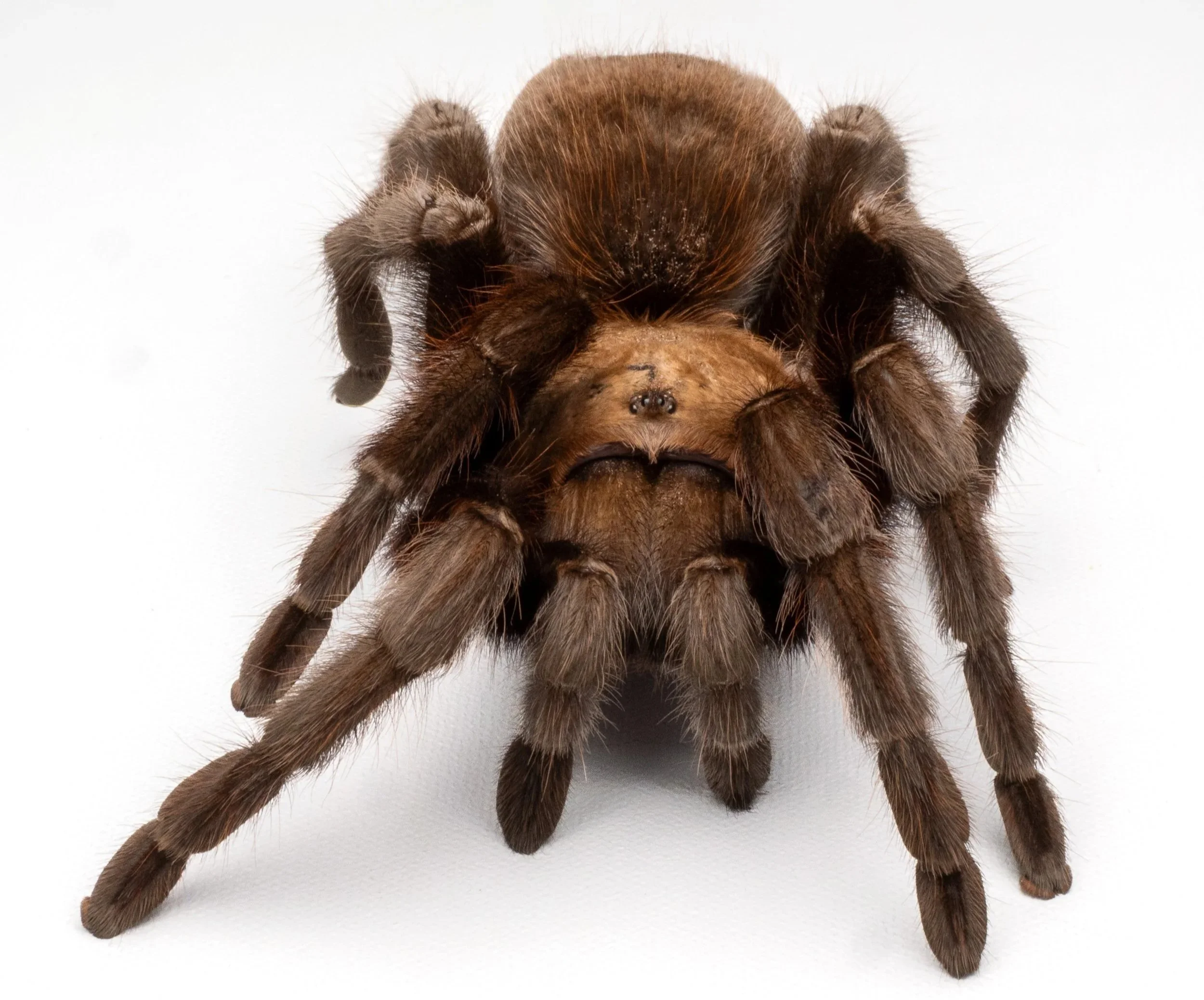
Aphonopelma anax - Texas Tan Tarantula (female)
And that is really what makes A. anax so compelling. It is not trying to win you over with dramatic color or flashy contrast. It wins people over with size, presence, and the fact that it feels like a real piece of the American Southwest. It is the kind of tarantula that looks like it belongs under desert scrub, deep in a burrow, waiting out the heat until conditions are right. That understated, durable, slow-burn quality is exactly what makes it one of the most rewarding long-term species in the hobby. It may not be the spider that grabs beginners first, but it is absolutely the kind of species that can quietly become one of the anchors of any serious collection.
1. Aphonopelma chalcodes, the Arizona Blonde Tarantula
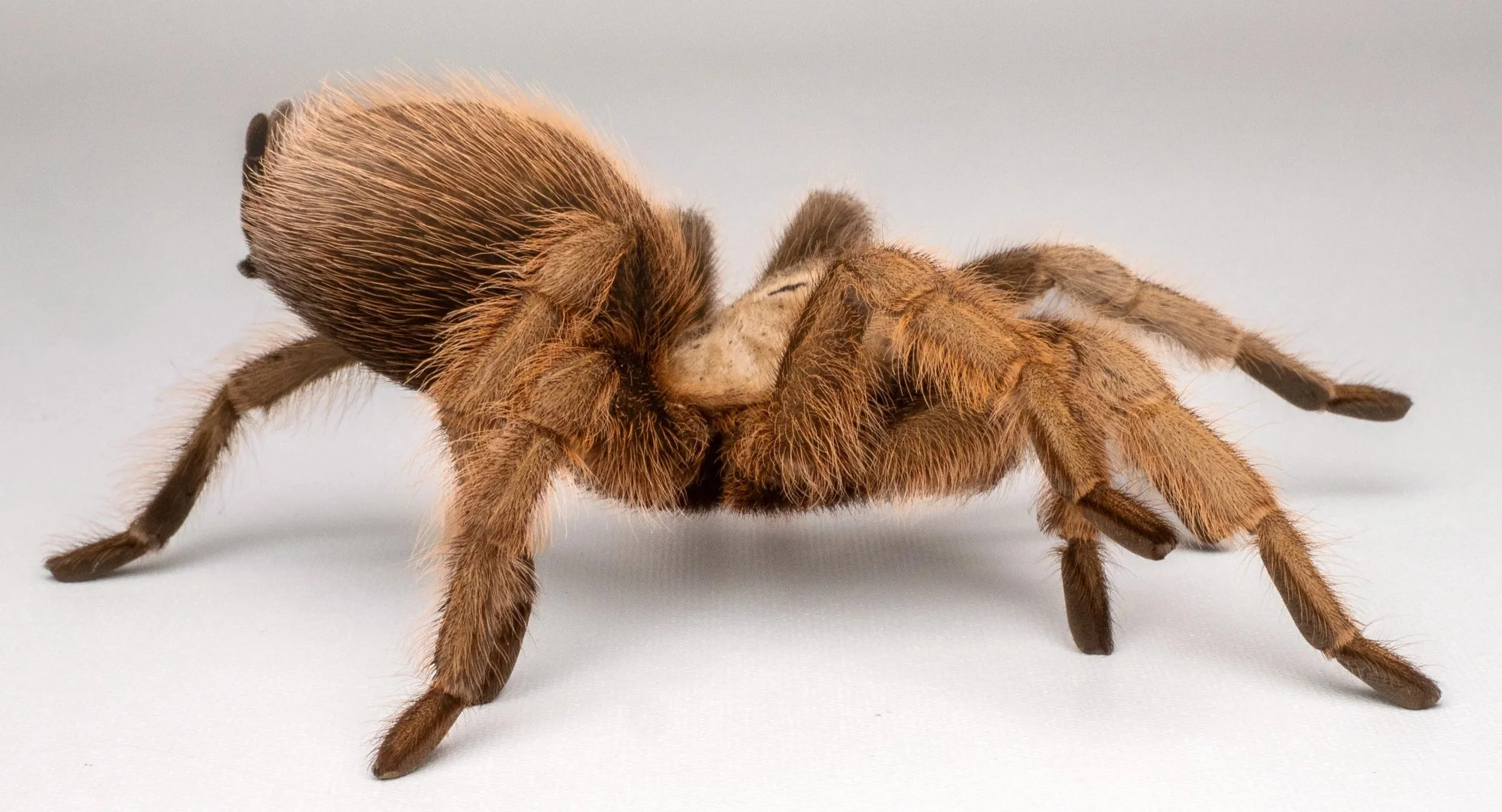
Aphonopelma chalcodes - Arizona Blonde Tarantula
If there is one tarantula that really defines what a long-lived female can be, it is Aphonopelma chalcodes. The Arizona Blonde, also called the Desert Blonde or western desert tarantula, is one of the most iconic North American species in the hobby and one of the clearest examples of a tarantula built for the long game. Females are often cited in the 20 to 25+ year range, and some sources suggest they can live even longer in captivity. The Arizona-Sonora Desert Museum notes that females can live upwards of 20 years, with some captive individuals exceeding 25. Males are a completely different story. Like most tarantulas, they mature, wander, breed, and burn out relatively quickly, while the females keep going.
And honestly, that makes perfect sense when you look at how this species actually lives in the wild. Aphonopelma chalcodes is a Sonoran Desert tarantula from southern Arizona and northern Mexico, and it is built around patience, caution, and energy conservation. This is not a spider that survives by staying active and burning calories. It survives by using a burrow as a stable microclimate in a landscape that can be brutally hot, painfully dry, and seasonally unpredictable. The 2016 revision of U.S. Aphonopelma kept A. chalcodes as a distinct species and limited its core range to Arizona and New Mexico within the United States, which helped clean up some of the old confusion around Southwestern Aphonopelma.
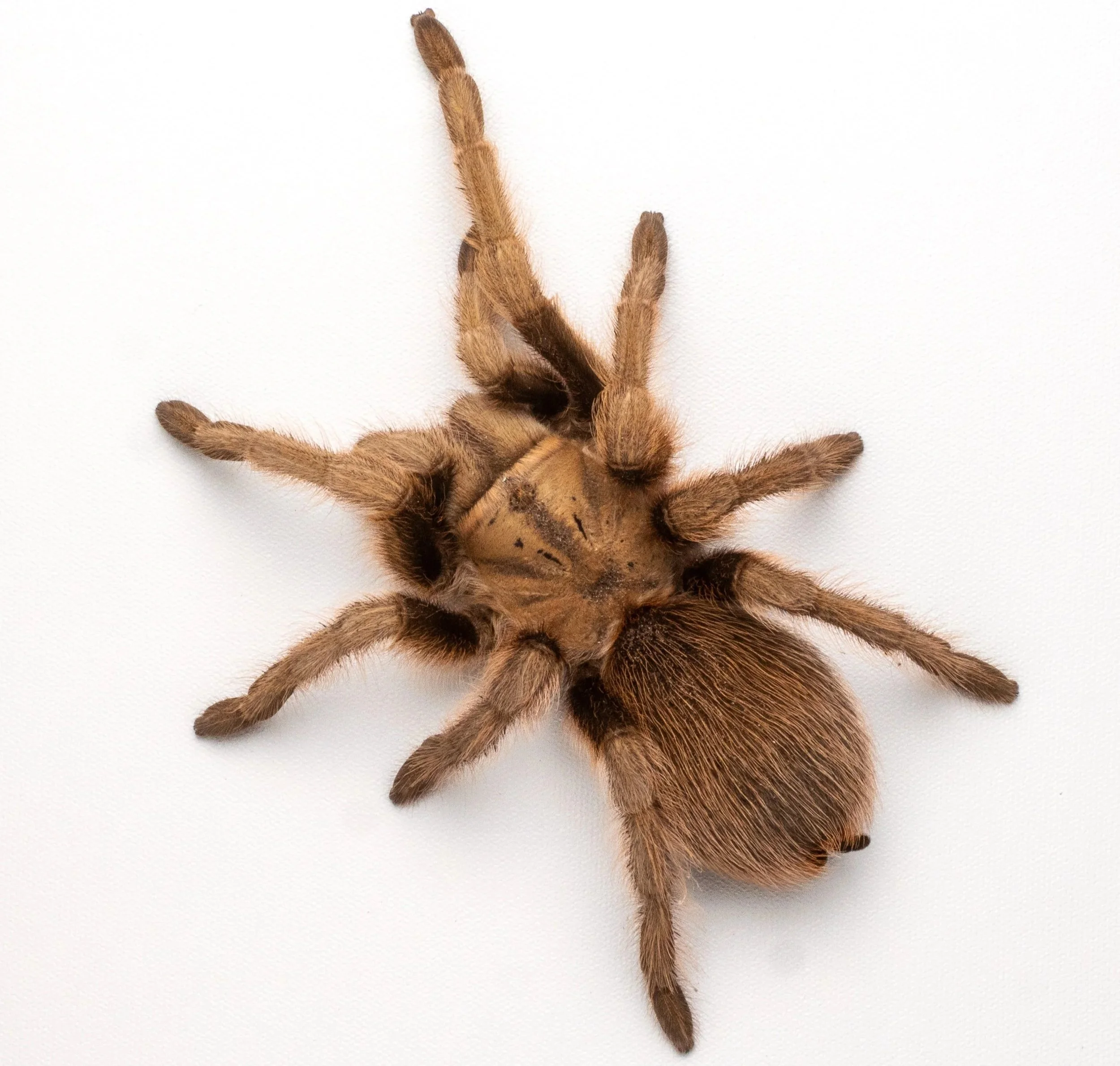
Aphonopelma chalcodes - Arizona Blonde Tarantula
What makes this species especially interesting is that we actually know a fair bit about how females live around the burrow. A field study by Minch on A. chalcodes found that the nocturnal activity period often began with the spider breaking open a thin silk cover over the burrow entrance at dusk. Females then typically remained in or near the entrance for much of the night, waiting in ambush rather than roaming around hunting. In that study, adult females rarely ventured far from home at all. The farthest one was observed traveling from the burrow entrance was just 46 cm. As they moved, they left behind a dragline network of silk around the burrow, and that silk appears to help them relocate the entrance. In one case, a tarantula removed from its burrow could not relocate it until it was placed within about 5 cm of the entrance, which strongly suggests those local silk cues matter.
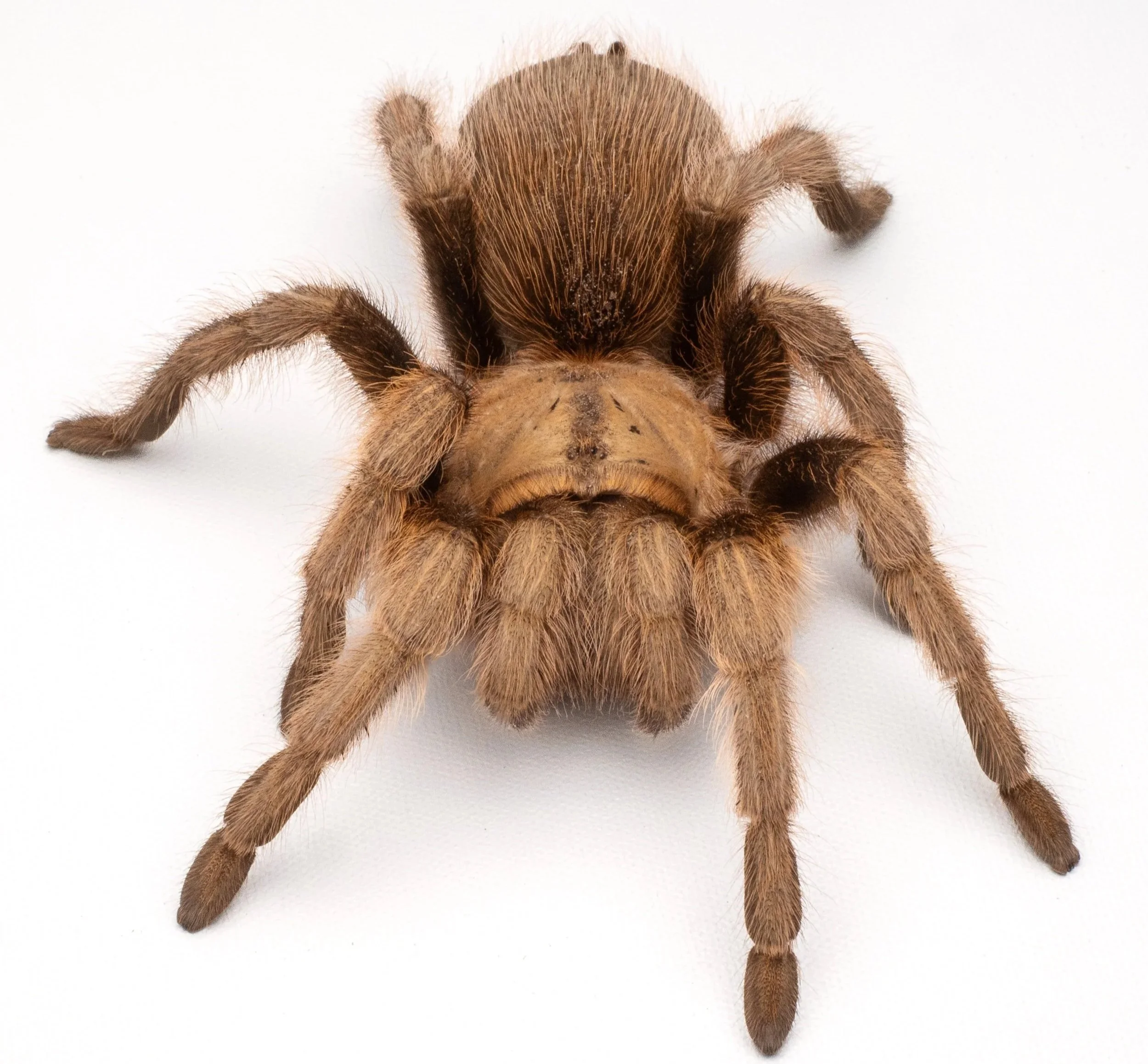
Aphonopelma chalcodes - Arizona Blonde Tarantula
That is such a perfect snapshot of this species. They are not built to wander aimlessly across the desert. They are built to hold a position, work from a stable retreat, and let the environment come to them. Even the timing of their activity reflects that. Minch’s observations showed that decreasing light levels and surface temperatures seemed to cue the start of evening activity, while increasing light was important in shutting it down. The spider was not just sitting in a hole because it felt like it. It was operating on a tightly tuned daily rhythm in a place where timing matters.
There are also some great little details in that paper that make this species feel even more real. Ants gathering around the burrow entrance could delay a female’s emergence. Females sometimes stayed put for long stretches and barely moved at all through the night. Sometimes they came partially out at dawn, then retreated again. This is not the life of a fast, flashy predator. It is the life of a patient ambush hunter running on desert timing and very little wasted motion.
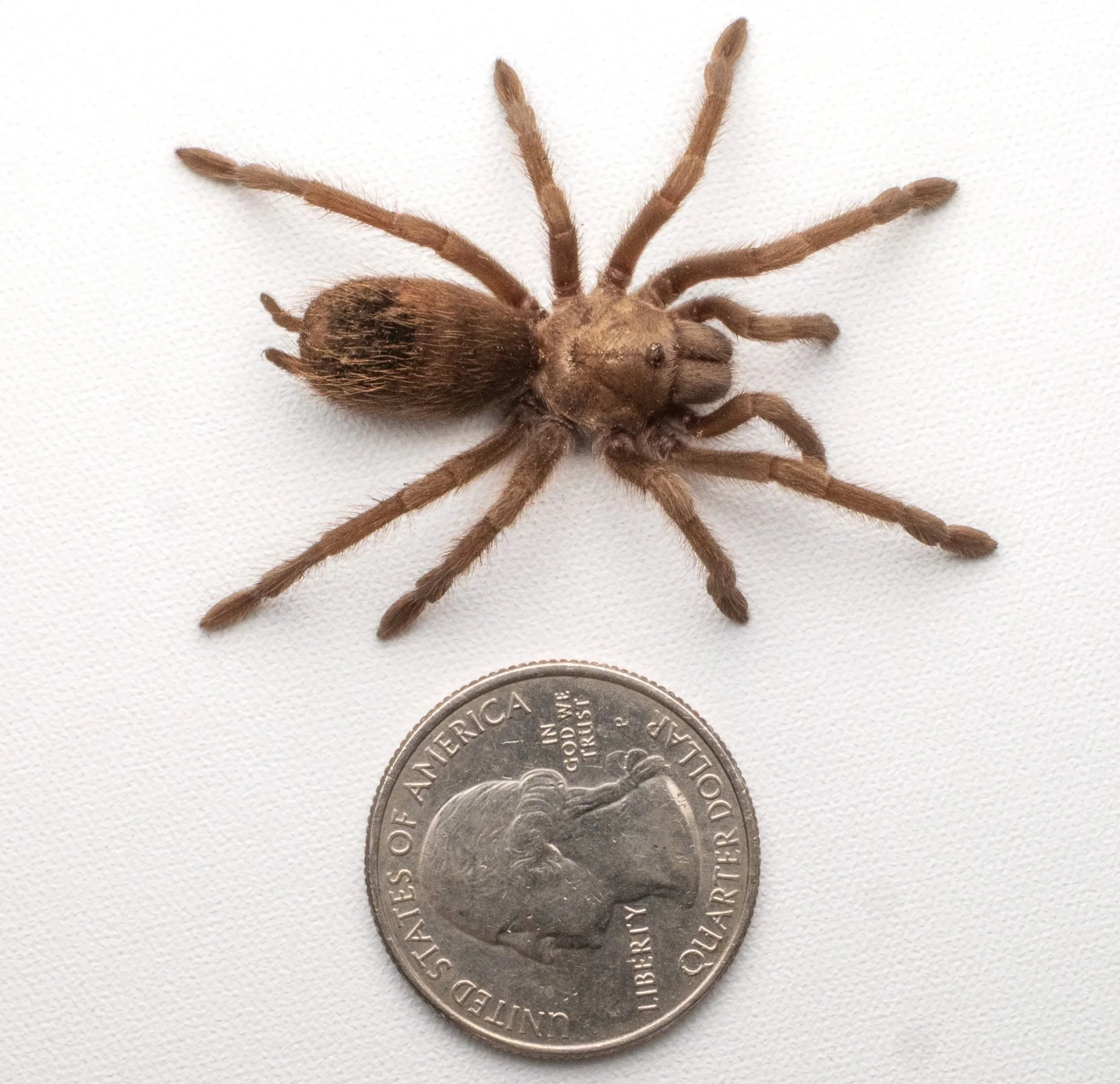
Aphonopelma chalcodes - Arizona Blonde Tarantula (well established spiderling)
That same slow pace is also why this species can feel almost unreal in captivity. If you buy a female Arizona Blonde, you are not buying a tarantula that is going to impress you by changing fast. You are buying one that impresses you by barely changing at all. They grow slowly, mature late, and then just keep going. And if you have ever watched one in the wild, especially out in the desert around Tucson after the sun sets, that long lifespan starts to make even more sense. They do not feel temporary. They feel ancient, like a species built to wait out weather, drought, danger, and time itself.
That is why Aphonopelma chalcodes deserves the top spot here. Not just because the lifespan numbers are impressive, although they are. But because this species is one of the clearest examples of what long-lived tarantula biology actually looks like. Everything about it points in the same direction: the burrow-based lifestyle, the glacial growth rate, the extreme patience, the way females stay put while males are the ones forced into riskier wandering lives. The Arizona Blonde is not just a tarantula that lives a long time. It is a tarantula that seems built around the idea of longevity from the ground up.
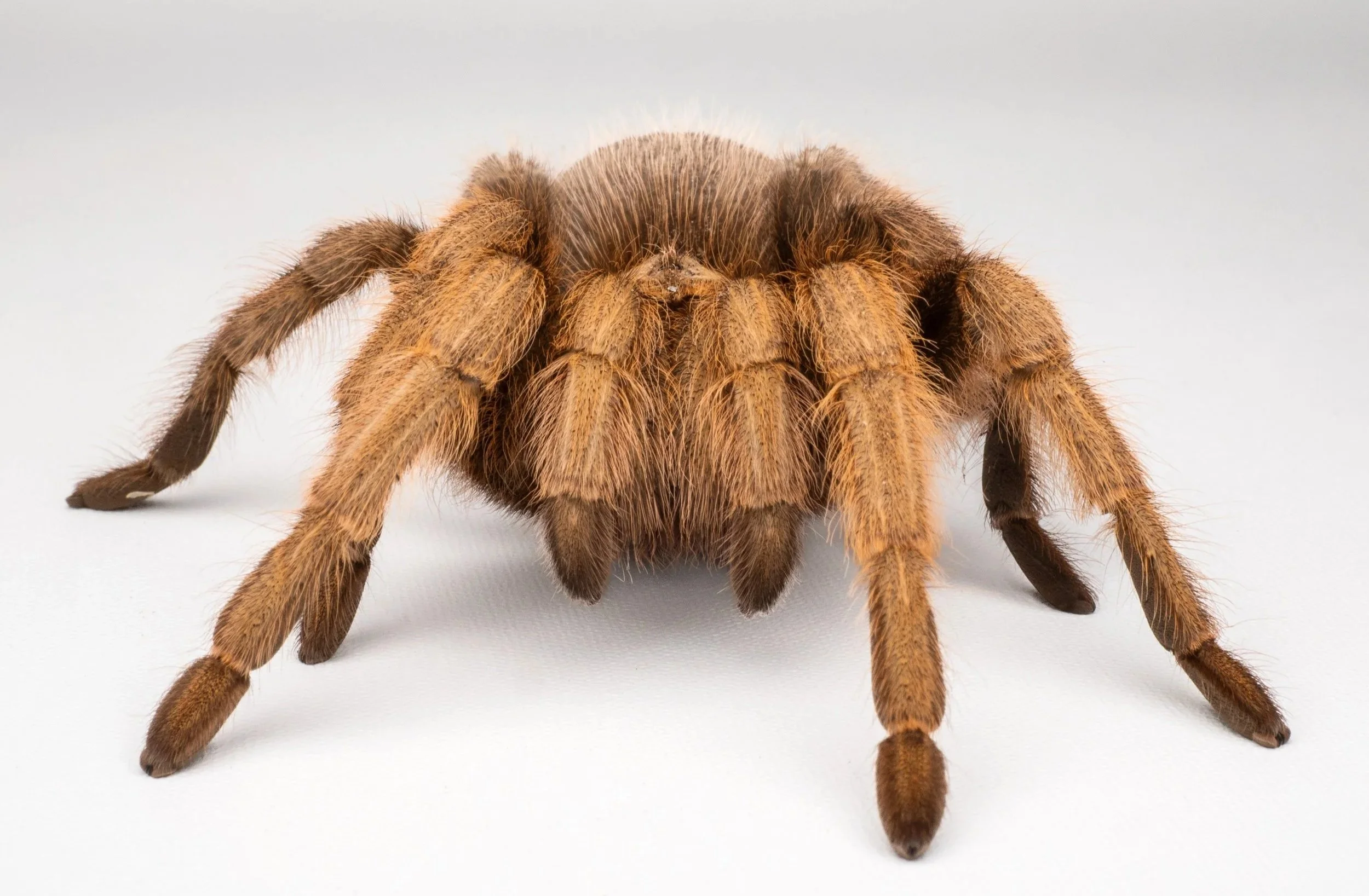
Aphonopelma chalcodes - Arizona Blonde Tarantula
What All Five Species Have in Common
These tarantulas do not all come from the same place, and they do not all look or behave exactly alike, but they do share a few traits that help explain why they show up again and again in conversations about longevity.
First, they are all relatively slow-growing species. None of these tarantulas are built for speed, fast maturity, or a short, high-risk life cycle. They are the kind of spiders that take their time getting established, take even longer to reach full size, and then continue on at a pace that feels almost ridiculous if you are used to animals that grow and age more quickly. That slow development is not just an inconvenience for impatient keepers. It is part of the reason these females can remain with us for so long.
They are also all terrestrial or strongly ground-oriented tarantulas, and most rely heavily on burrows or other sheltered retreats. That matters, because a burrow-centered lifestyle is a good fit for long-term survival. It gives the spider a stable microclimate, protection from predators and weather, and a way to conserve energy in environments where overheating, drying out, or wandering too far can get you killed. These are not species built around constant movement. They are built around patience, efficiency, and knowing when not to waste energy.
And like theraphosids in general, they follow the familiar pattern where females keep playing the long game while males do not. Mature males are built to leave the safety of the burrow, search for females, and burn through whatever time they have left. Females stay anchored. They continue molting, continue growing slowly, and continue living the kind of life that makes exceptional longevity possible. That combination of slow growth, a sedentary adult lifestyle, and continued female development seems to be a big part of why some tarantulas become such remarkably long-term captives.
That is also why lifespan should be part of the buying decision from the beginning. A tarantula is not always a short-term exotic that drifts through your life for a couple years and disappears. In some cases, especially if you are buying a sexed female from one of these long-lived genera, you are taking on an animal that could be with you for decades. That does not make them difficult. If anything, it makes them more interesting. But it does mean they deserve to be thought of less like a novelty and more like a very quiet, very hairy, extremely low-maintenance long-term commitment.
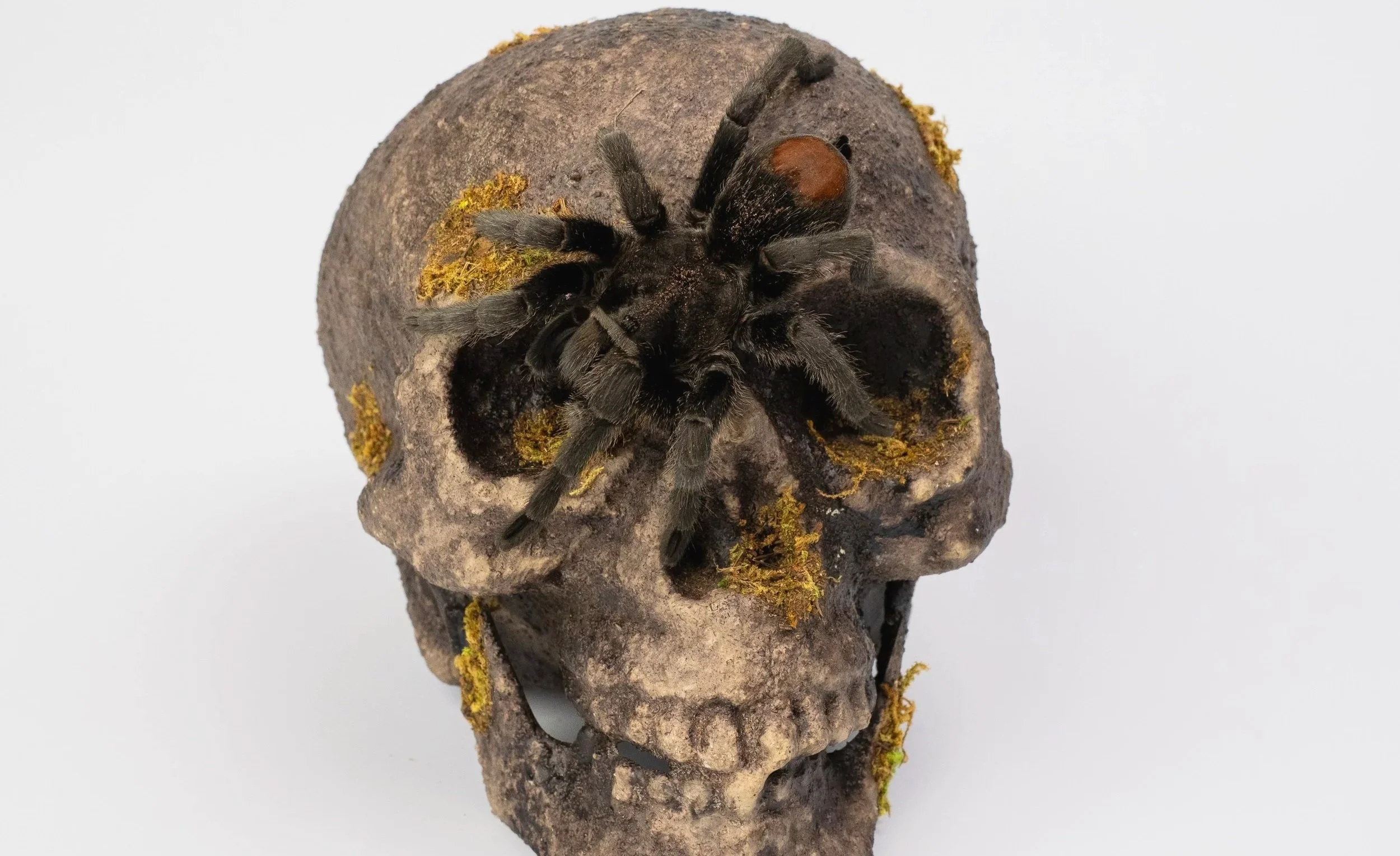
Grammostola pulchra - Brazilian Black Tarantula
Final Thoughts
One of the first things people learn in this hobby is that tarantulas force you to adjust your sense of time.
A lot of new keepers come in expecting a cool hairy spider that will be around for a few years, maybe long enough to feel interesting, but not long enough to become part of the structure of their life. Then they realize some female tarantulas can be with you for twenty, twenty-five, even thirty years, and suddenly the whole idea of what a tarantula is starts to shift.
That is a good thing.
Because these are not disposable pets, novelty animals, or something you pick up on impulse because it looked rad in a deli cup at an expo. The species on this list demand a longer view. They ask for patience, consistency, and the willingness to care about an animal that may still be living with long after a lot of other things have changed.
And maybe the most interesting part is that the species with the most staying power are not always the ones people notice first. They are not the brightest, rarest, or most dramatic spiders on the shelf. Sometimes they are the slower, steadier, more understated animals. The ones people overlook because they are not colorful or exotic enough, right up until they realize those are the spiders that quietly become part of their life for decades.
If you are looking for a tarantula that is not just impressive now, but still likely to be impressive when your kids are grown, these five are some of the best places to start.
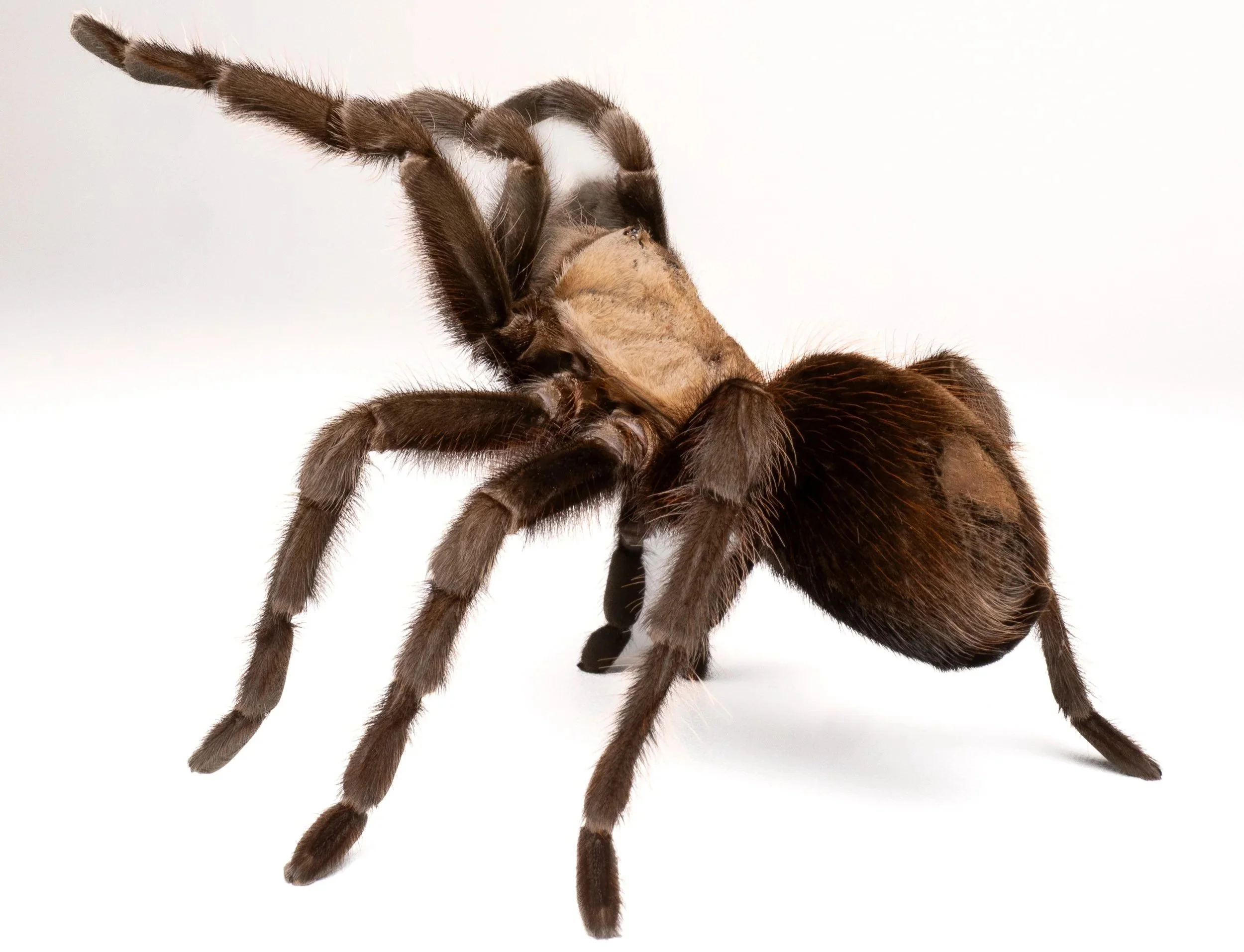
Aphonopelma anax - Texas Tan Tarantula (female)
Support Tarantula Collective
If this article helped you, you can support Tarantula Collective here. Donations help fund videos, care guides, fieldwork, photography, and the ongoing work of keeping this content free and the website free of obnoxious ads.
Sources
World Spider Catalog entries for Tliltocatl albopilosus, Grammostola pulchra, Brachypelma hamorii, Aphonopelma anax, and Aphonopelma taxonomy.
Arizona-Sonora Desert Museum, Desert Blonde Tarantula fact sheet.
Animal Diversity Web, Aphonopelma chalcodes account.
Texas Parks & Wildlife, “Tarantula: A Gentle Giant,” with lifespan notes for Aphonopelma anax.
Oregon Zoo and Denver Zoo curly hair tarantula materials.
Beardsley Zoo and University of Kentucky educational materials on Grammostola pulchra.
St. Louis Zoo Mexican Red-kneed tarantula profile.
Criscuolo et al. on sex differences in tarantula longevity and oxidative stress, plus Costa et al. on theraphosid lifespan and adult female molting.
