
The Ethics of Wild-Caught Tarantulas
Let’s talk about wild-caught tarantulas.
This is one of those topics in the hobby that people tend to treat as completely black and white. Either wild-caught tarantulas are always unethical, or people act like it does not matter at all.
But like most real-world issues, the truth is a lot messier than that.
If we are going to keep these animals, then we should be honest about where they come from, what pressures wild populations actually face, and how our buying decisions affect the market. This is not about drama, virtue signaling, or pretending there is one simple answer that applies to every species in every situation. It is about context, responsibility, and understanding the difference between sustainable use and exploitation.
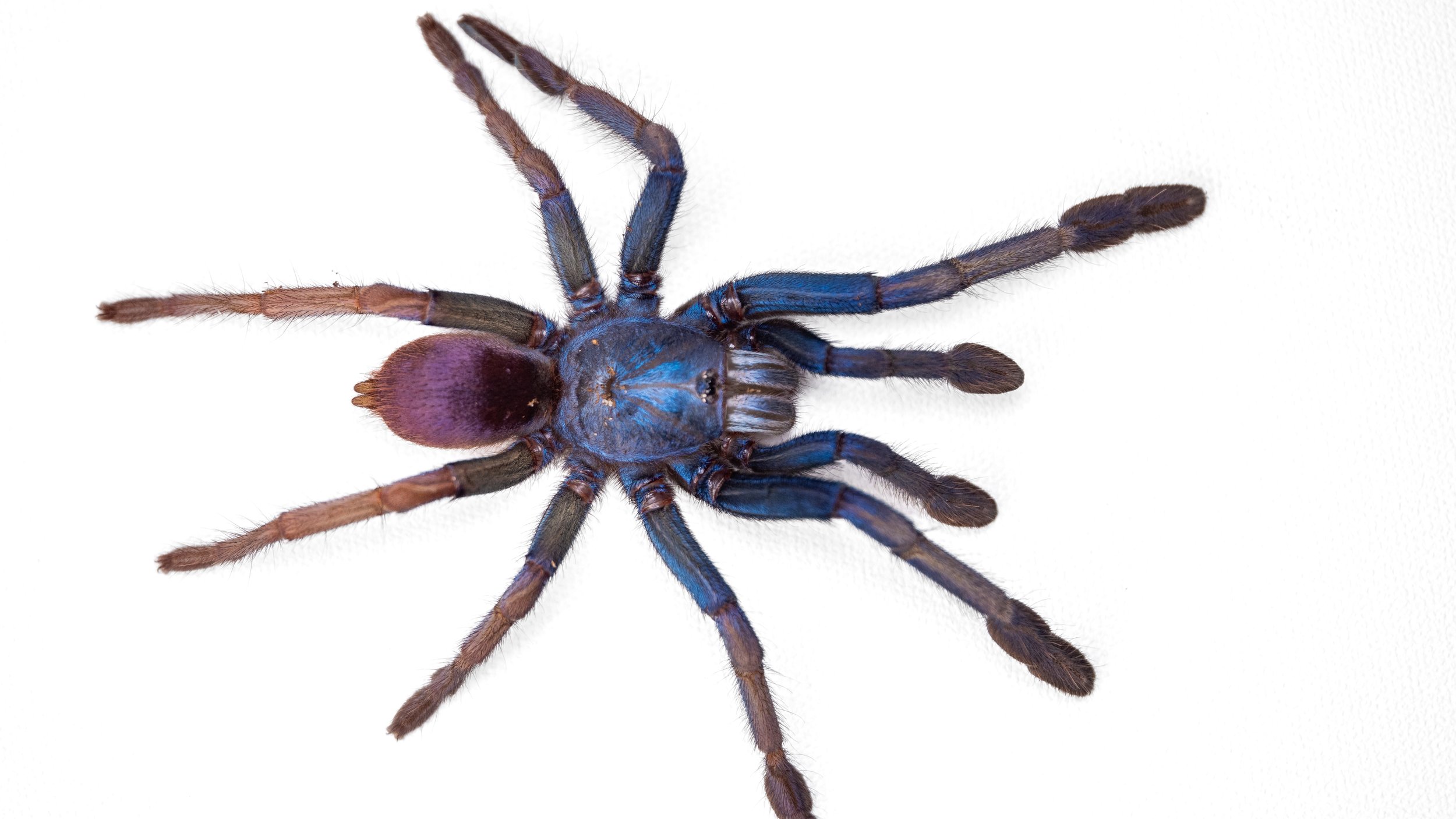
Cilantica (ex. Haploclastus) devamatha - Polychromatic Earth Tiger / Psychedelic Earth Tiger Tarantula
What Does “Wild-Caught” Actually Mean?
A wild-caught tarantula is exactly what it sounds like: an animal collected from its natural habitat and brought into the pet trade.
That used to be far more common than it is today. In the 1980s and early 1990s, captive breeding was much less established, so many of the tarantulas available in the hobby were imported directly from the wild. Today, the hobby looks very different. Many commonly kept species are now bred in captivity in much larger numbers, which has reduced the hobby’s dependence on wild imports for a lot of staple species.
That said, wild-caught tarantulas have not disappeared from the trade. They still enter the hobby, especially when it comes to newly described species, hard-to-breed species, locality-specific animals, or species that can be collected and exported cheaply. Conservation researchers have also pointed out that the international regulation framework still only covers a fraction of the tarantula species that appear in trade, which leaves major gaps in oversight.
So the real question is not whether wild collection exists. It obviously does. The real question is when that collection becomes harmful, and whether there are cases where it can be justified or managed responsibly.
The Biggest Threat Is Not Always the Pet Trade
One of the most important things to understand is that the biggest threat to many tarantula species is not always the pet trade.
It is habitat destruction.
A major conservation review of CITES-listed tarantulas found that habitat loss, fragmentation, and degradation are among the primary threats facing many species. Broader spider conservation research has reached a similar conclusion, identifying land-use change, agriculture, forestry, urbanization, and other forms of habitat disturbance as some of the biggest threats to spider populations globally.
That matters, because it changes the conversation. If a forest is being bulldozed for agriculture, development, or mining, then a tarantula population may be in serious trouble whether hobbyists ever buy a single specimen or not.
That does not mean collection has no impact. It absolutely can. But it does mean we need to understand scale. A slowly reproducing tarantula with a tiny, fragmented range may be highly vulnerable to collecting pressure. A widespread species losing huge chunks of habitat may be facing a far greater threat from land conversion than from keepers. Pretending every wild-caught tarantula represents the exact same level of impact is not realistic.
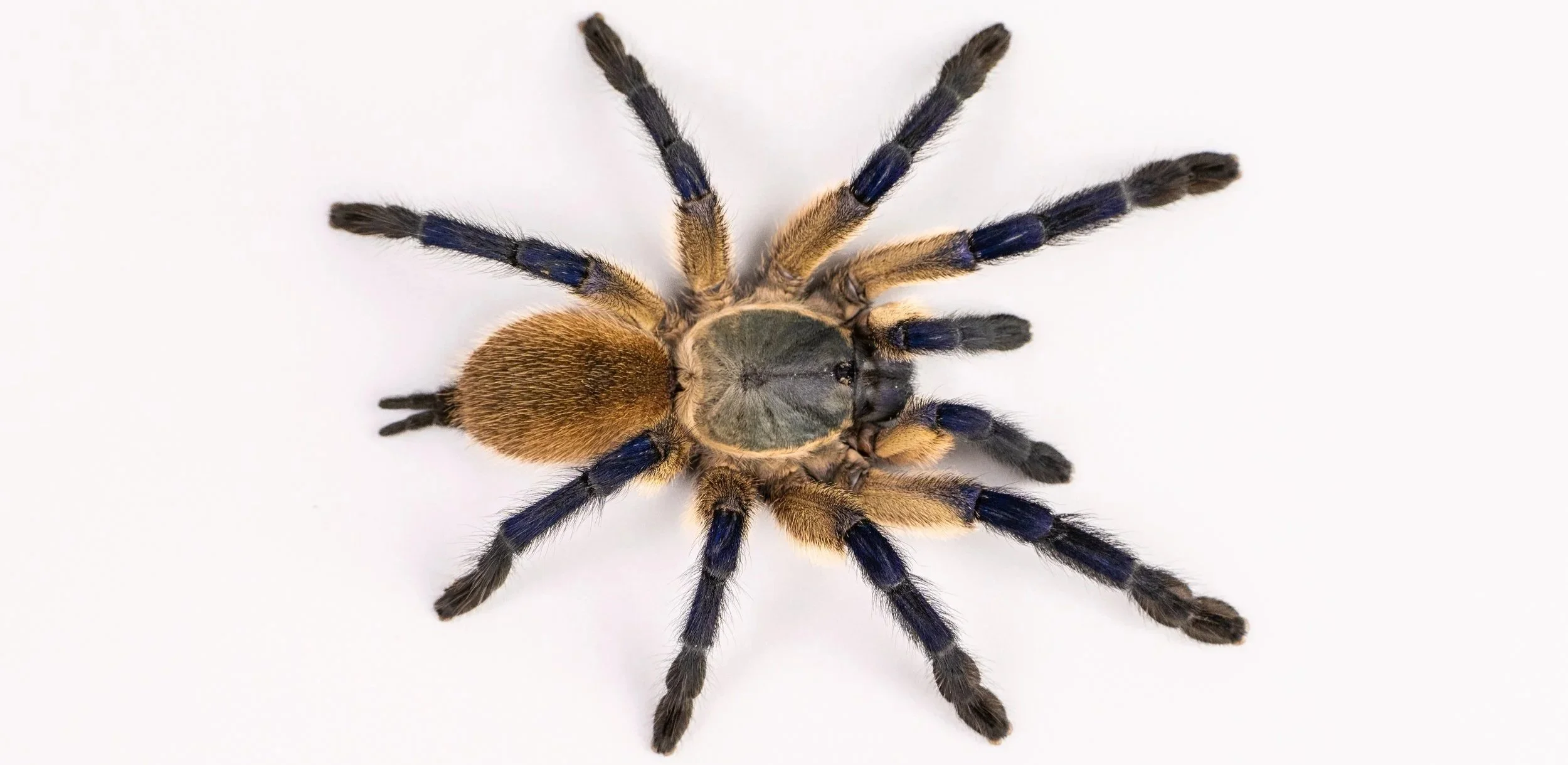
Monocentropus balfouri - Socotra Island Blue Baboon Tarantula
Why Tarantulas Can Be Vulnerable to Over-Collection
Tarantulas are not like insects that reproduce quickly and bounce back overnight.
Many species grow slowly, take years to mature, live for a long time, and may exist only in very limited geographic ranges. Those traits can make them especially vulnerable when collection is heavy and poorly regulated. The 2019 conservation profiles on CITES-listed tarantulas specifically note that limited distributions, habitat specificity, and population pressure can create real conservation concerns for some species.
This is where the nuance matters. Some species may tolerate low levels of regulated collection better than others. But for species with small ranges and slow life histories, overharvesting can create problems that take a long time to reverse.
The Chilean rose tarantula is one of the most commonly cited examples in hobby discussions for a reason. Heavy demand, repeated collection over time, and habitat pressure have all been associated with concern for native populations, even if collection is not the only factor involved.
So yes, unregulated collection can absolutely be harmful. Anyone pretending otherwise is oversimplifying the issue.
When Collection Can Actually Support Conservation
This is the part that tends to make people uncomfortable, because it does not fit neatly into an outrage post.
Wildlife collection is not automatically destructive in every case.
In some regions, regulated and sustainable trade can create economic value for local communities. When native species generate legitimate income, there can be a real incentive to preserve the habitat those animals depend on rather than clear it for short-term land use. Conservation researchers have repeatedly discussed this broader principle in wildlife trade: sustainable use can support conservation, but only when it is properly managed, documented, and enforced.
That distinction matters.
There is a huge difference between local communities benefiting from a regulated harvest tied to habitat preservation and animals being stripped from the wild through vague supply chains, questionable labeling, and short-term profiteering.
The first can potentially support conservation.
The second is just exploitation.
So no, “wild-caught” is not automatically synonymous with unethical. But it is also not automatically a conservation win just because somebody made money from it. Sustainable collection has to be demonstrably sustainable. If nobody can show how much is being collected, where it is coming from, and what those populations look like over time, then “it’s probably fine” is not good enough.
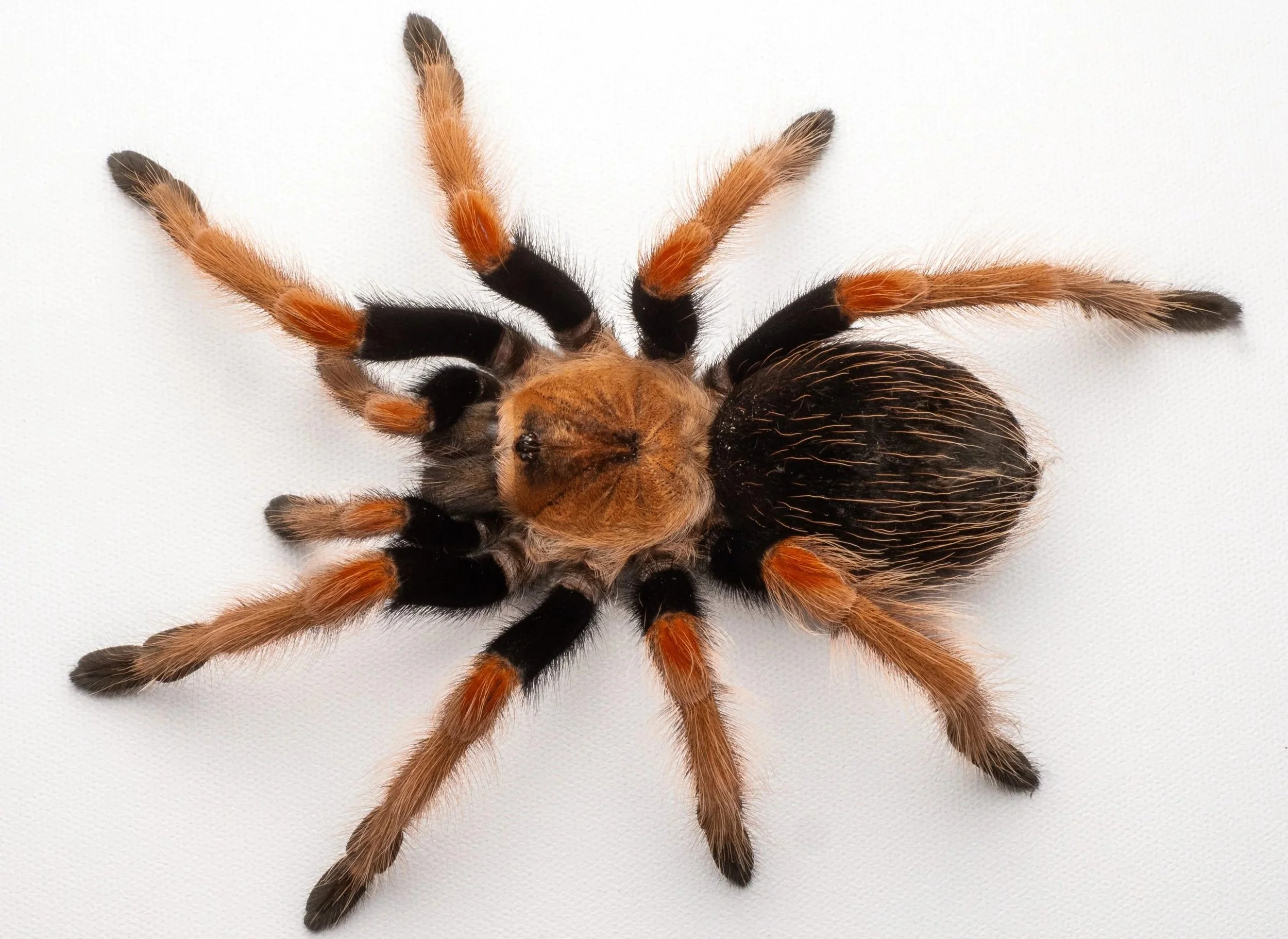
Brachypelma boehmei - Mexican Fireleg Tarantula
CITES Helps, but It Does Not Solve Everything
CITES, the Convention on International Trade in Endangered Species of Wild Fauna and Flora, regulates international trade in many wildlife species. Some tarantulas are listed in Appendix II, which means trade is allowed but must be monitored and controlled so it does not threaten those species’ survival. Current CITES appendices and identification guides confirm Appendix II coverage for groups like Brachypelma, Tliltocatl, Poecilotheria, and some others, but not all tarantulas are covered.
That is an important point, because people often assume that if a tarantula is being sold openly, it must be legal, documented, and sustainably sourced. That is not a safe assumption.
Illegal wildlife trade absolutely exists in the tarantula world. Enforcement and monitoring groups have documented arachnid seizures and trafficking cases, and trade analysts have repeatedly warned that non-CITES invertebrates can move through the market with much less scrutiny.
So while regulation helps, paperwork alone does not equal ethics. A permit system is only as good as its enforcement, species identification, and the honesty of the people using it.
How Captive Breeding Changed the Hobby
If there is a bright spot in all of this, it is captive breeding.
Captive breeding has changed the tarantula hobby dramatically over the last few decades. Species that were once expensive, uncommon, or mostly wild-caught are now widely available because breeders put in the work to establish stable captive populations. That shift has reduced the hobby’s reliance on imports for many of the most commonly kept species.
You can see that clearly with animals like Brachypelma hamorii and other popular New World tarantulas. Species that were once harder to source ethically can now often be found as captive-bred slings from breeders all over the country. That is exactly what a healthier hobby should look like: stable captive populations, better access for keepers, and less long-term pressure on wild ecosystems.
And it is not just about convenience or price.
Captive breeding does a few important things:
it reduces demand for fresh imports,
it creates more stable hobby populations,
and it gives keepers a real alternative to buying wild-caught animals in the first place.
That is one of the clearest ways the hobby can reduce its own impact over time.
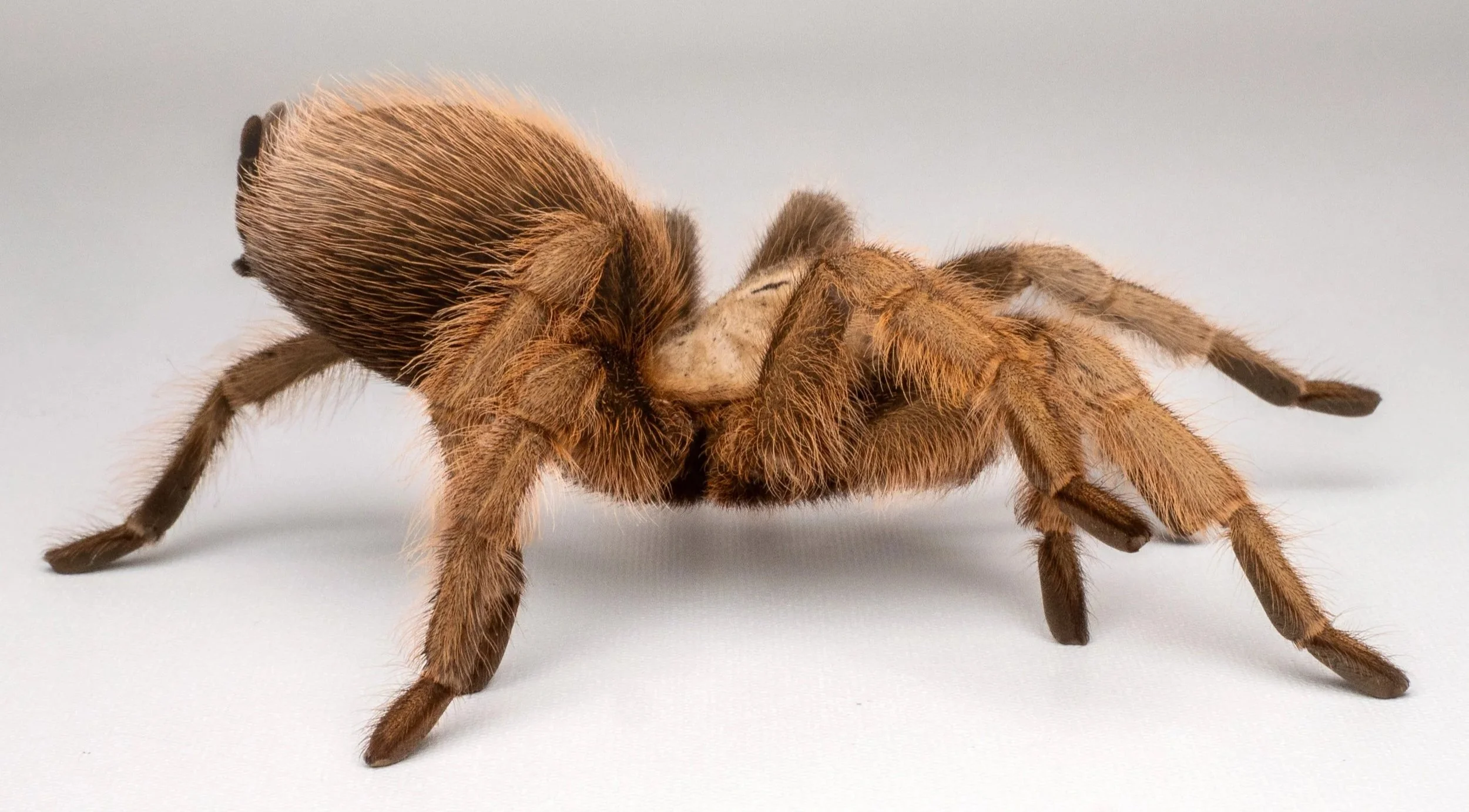
Aphonopelma chalcodes - Arizona Blonde Tarantula
The Responsibility of Keepers
This is where the conversation comes back to us.
The ethics of wild-caught tarantulas are not just about what collectors, exporters, or smugglers do. They are also about what buyers reward.
If keepers prioritize captive-bred tarantulas when they are available, support responsible breeders, and avoid species that are clearly being imported in questionable numbers, the market responds. If people chase rarity, novelty, and lower prices without asking where the animal came from, the market responds to that too.
At a minimum, I think hobbyists should be asking a few basic questions before buying:
Is this species commonly bred in captivity?
Is the seller transparent about whether the animal is captive-bred or wild-caught?
Is this a newly described or highly localized species that could be especially vulnerable?
Is there any reason to believe the supply chain is sketchy?
You do not need to be a conservation biologist to make better decisions. You just have to care enough to ask one more question before buying.
The Long View
Captive breeding is not a perfect solution to everything, but it is one of the clearest ways the hobby can reduce its own footprint.
Every species that becomes firmly established in captivity is one less species that has to rely on removal from the wild to remain in the hobby. Over time, that matters. It lowers pressure on wild populations, improves availability, and makes the hobby less dependent on uncertain imports.
At the same time, we should not use captive breeding as an excuse to ignore habitat destruction, weak enforcement, taxonomic confusion, or illegal trafficking. Tarantulas are often treated like collectibles detached from real ecosystems, but they are not. They come from forests, scrublands, deserts, and grasslands that are under pressure in the real world.
If the hobby is going to mature, then our mindset needs to mature with it.
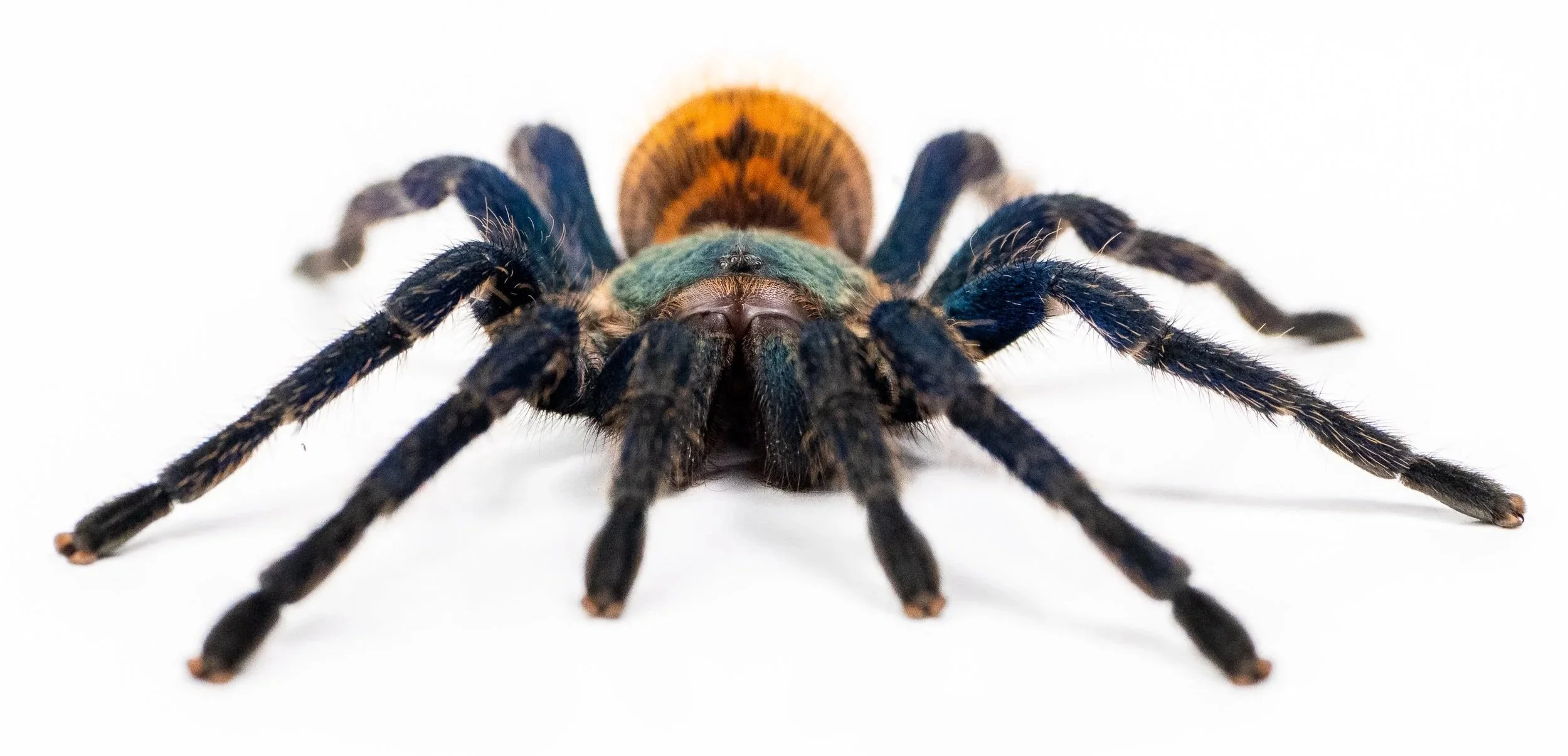
Chromatopelma cyaneopubescens - Green Bottle Blue Tarantula
So, Are Wild-Caught Tarantulas Unethical?
Not automatically.
But not automatically harmless either.
That is the honest answer.
Some wild collection may be lower impact than people assume, especially when compared with large-scale habitat destruction. Some collection may be sustainable under strict regulation and local stewardship. And some of it is clearly exploitative, poorly monitored, or outright illegal.
What matters is context.
What matters is transparency.
What matters is whether the trade is actually sustainable, not whether somebody says it is.
As keepers, we do not control everything. But we do control what we buy, who we support, and whether we treat these animals like disposable trophies or living parts of real ecosystems.
Keeping tarantulas comes with responsibility.
Not just to the animals in our care.
But to the ecosystems that they came from.
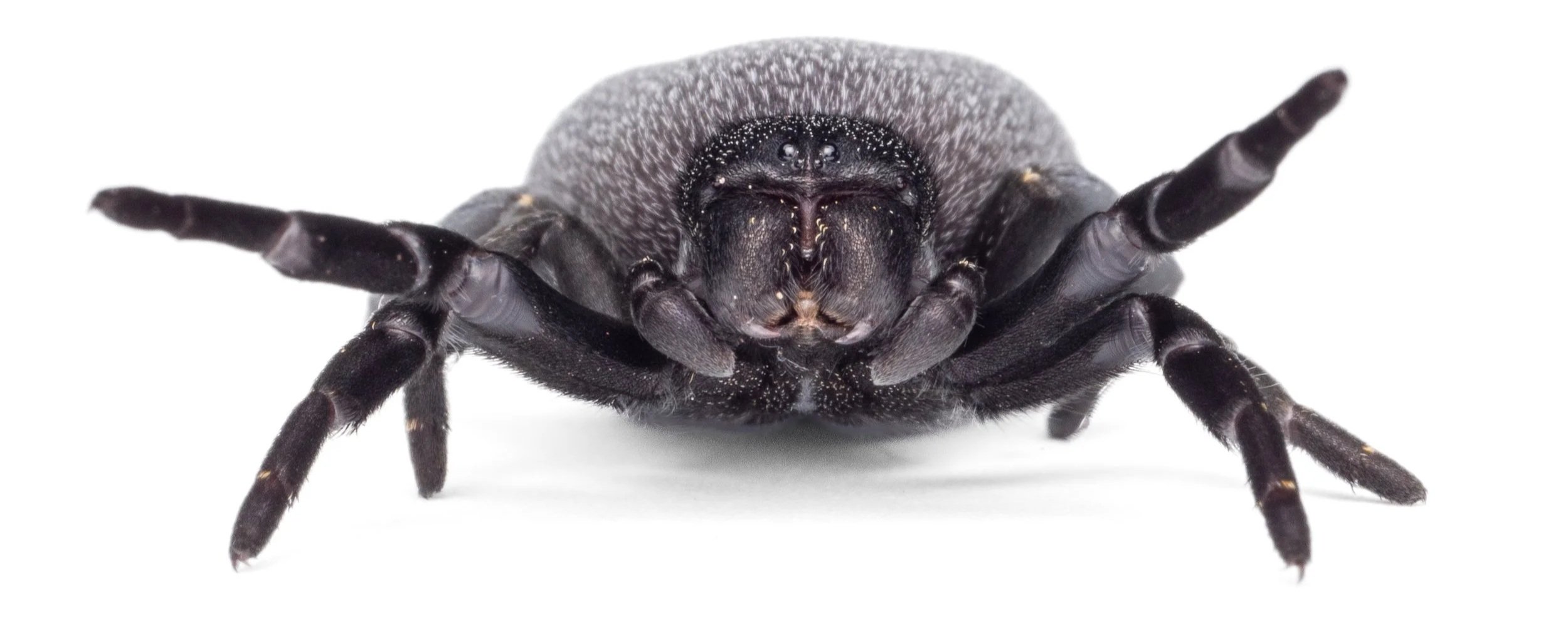
Eresus walckenaeri - Velvet Spider / Ladybird Spider
Enjoying the free stuff?
If this article taught you something, answered a question, or stopped you from making a terrible enclosure decision, you can support Tarantula Collective here. Donations help fund videos, fieldwork, care guides, photography, and all the work that goes into keeping this site useful and ad-free
