
When Dinosaurs Walked the Earth, Tarantulas Were Already Here
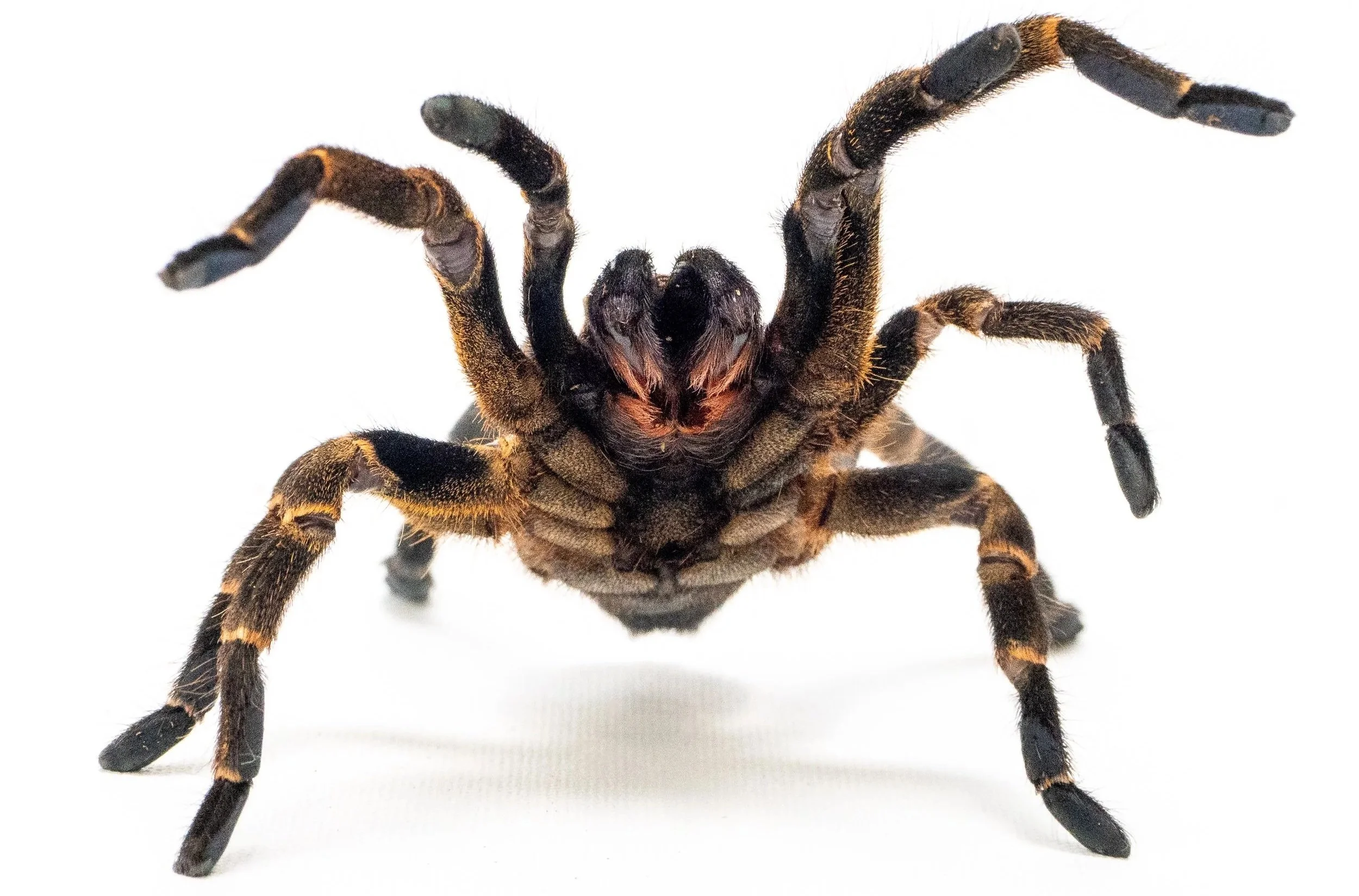
Tyrannosaurus rex is extinct, and Triceratops is gone too. Velociraptor evolved into birds while entire ecosystems vanished around them. Jurassic Park made for a fun movie, but those dinosaurs are now fossils, reconstructions, and computer graphics. Tarantulas, though, have endured for roughly 120 million years.
Before grass covered lawns, before modern mammals dominated the planet, before humans had even begun to exist, ancestral tarantulas were already hiding in burrows, sensing vibrations through silk, and ambushing prey in the shadows of dinosaurs.
That’s why tarantulas hit different. They’re strange, sure, but the real hook is how ancient they feel.
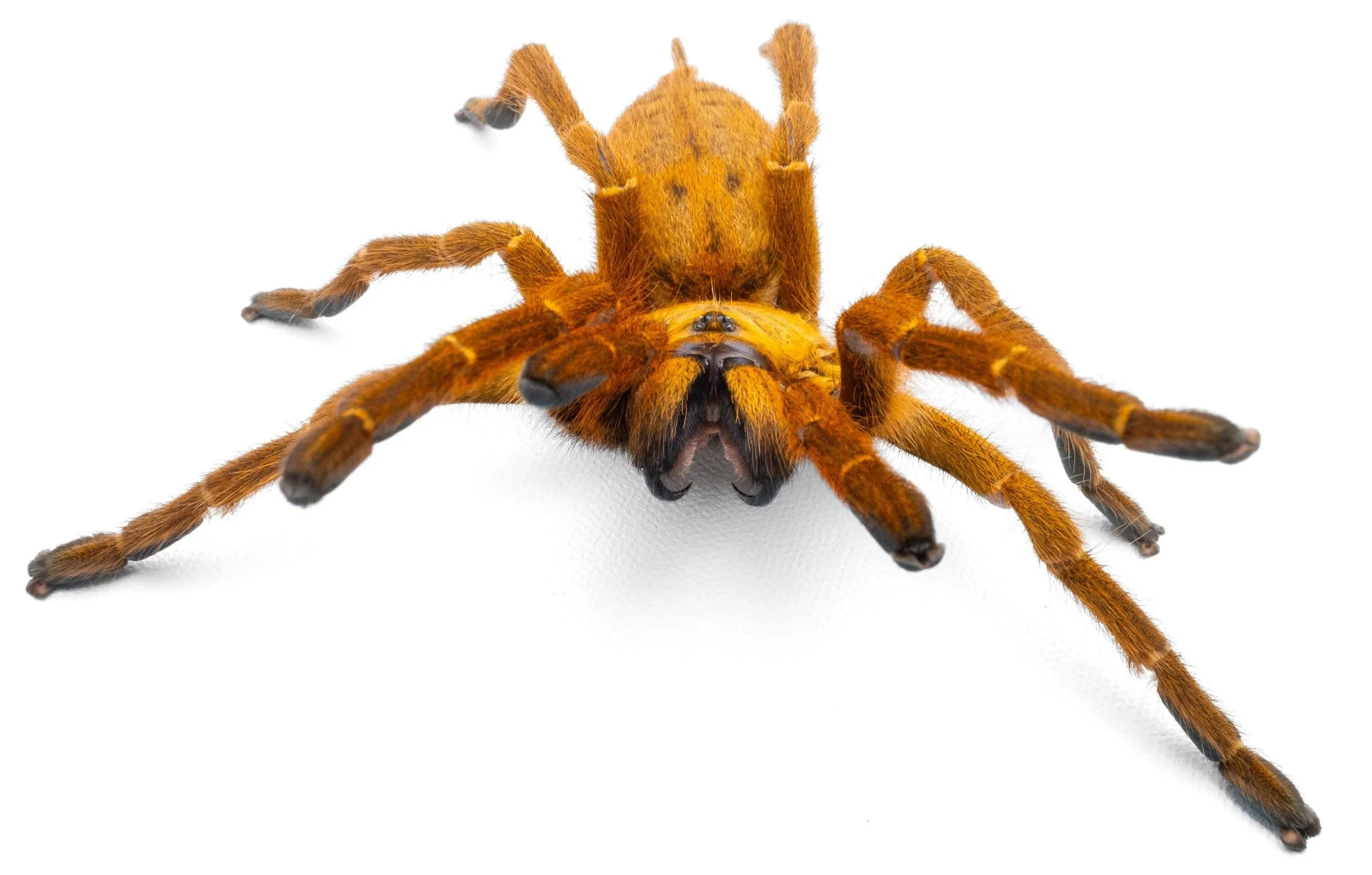
Today, tarantulas live in deserts, tropical rainforests, mountains, scrublands, and grasslands across much of the world. Some are tiny dwarf species that disappear into leaf litter. Others are giant predators with legspans as large as dinner plates. Some spend nearly their entire lives underground, while others live high in trees, hunting among branches and bark. They come in shades of black, brown, orange, blue, purple, red, and metallic green. But even with all that variety, they’re still unmistakably tarantulas.
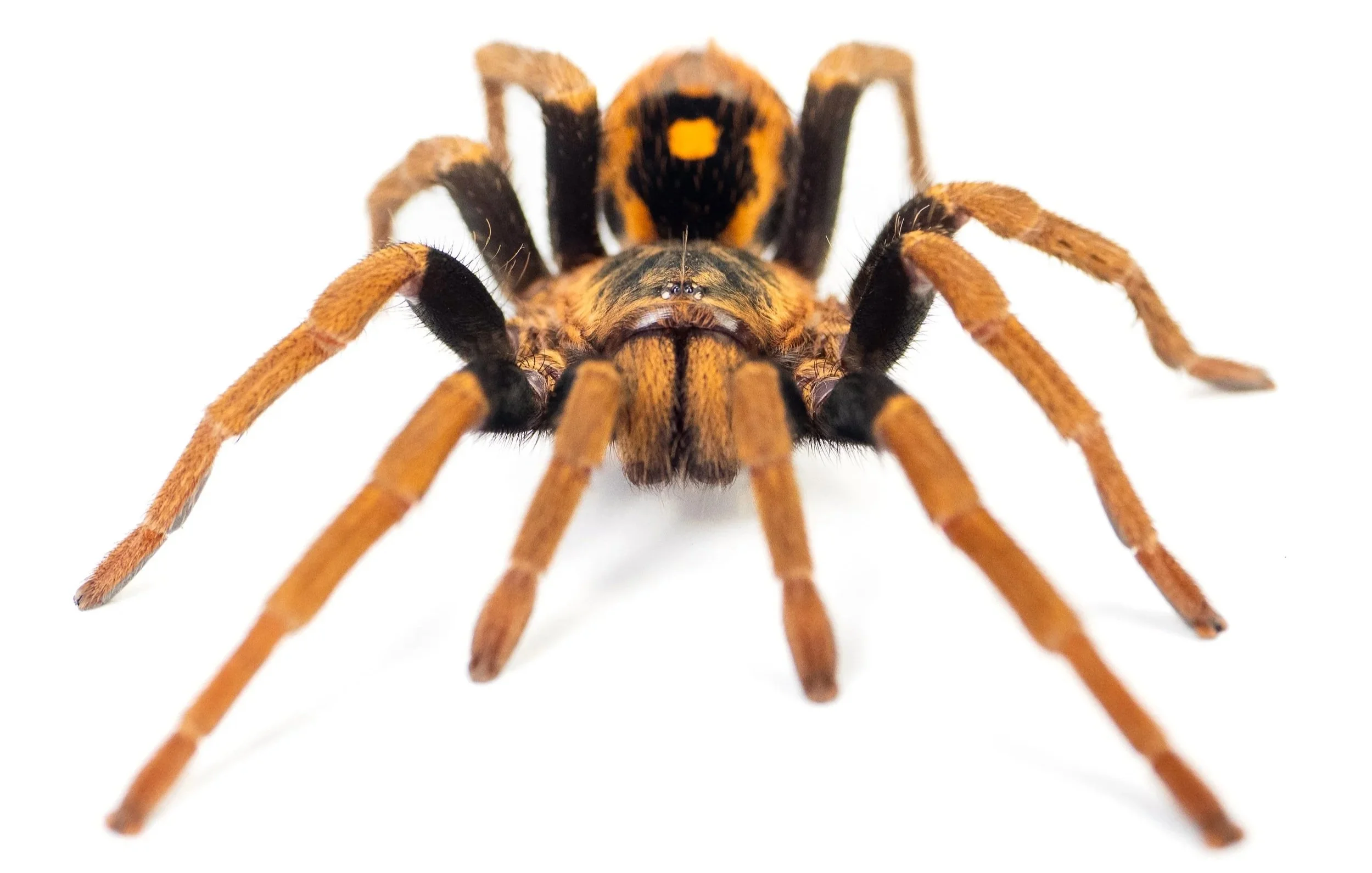
Scientists believe the ancestors of modern tarantulas likely emerged during the Early Cretaceous Period, roughly 120 to 105 million years ago. The world they entered would’ve looked nothing like the one we know today.
North America was split apart by a massive inland sea. The continents were still drifting away from what was left of the ancient supercontinent Gondwana. Sea levels were much higher than they are now, and the planet was warmer overall. There wasn’t much polar ice, if there was any at all. Forests stretched across huge parts of the Earth, but they weren’t forests we’d fully recognize today.
Grass hadn’t taken over the planet yet. Instead, a lot of those prehistoric landscapes were packed with conifers, cycads, ferns, horsetails, and some of the earliest flowering plants starting to spread. Giant volcanic systems were reshaping parts of the land while enormous plant-eating dinosaurs pushed through vegetation that had already been around for millions of years.
And somewhere in those prehistoric forests and floodplains, ancient tarantulas crawled beneath the feet of dinosaurs.
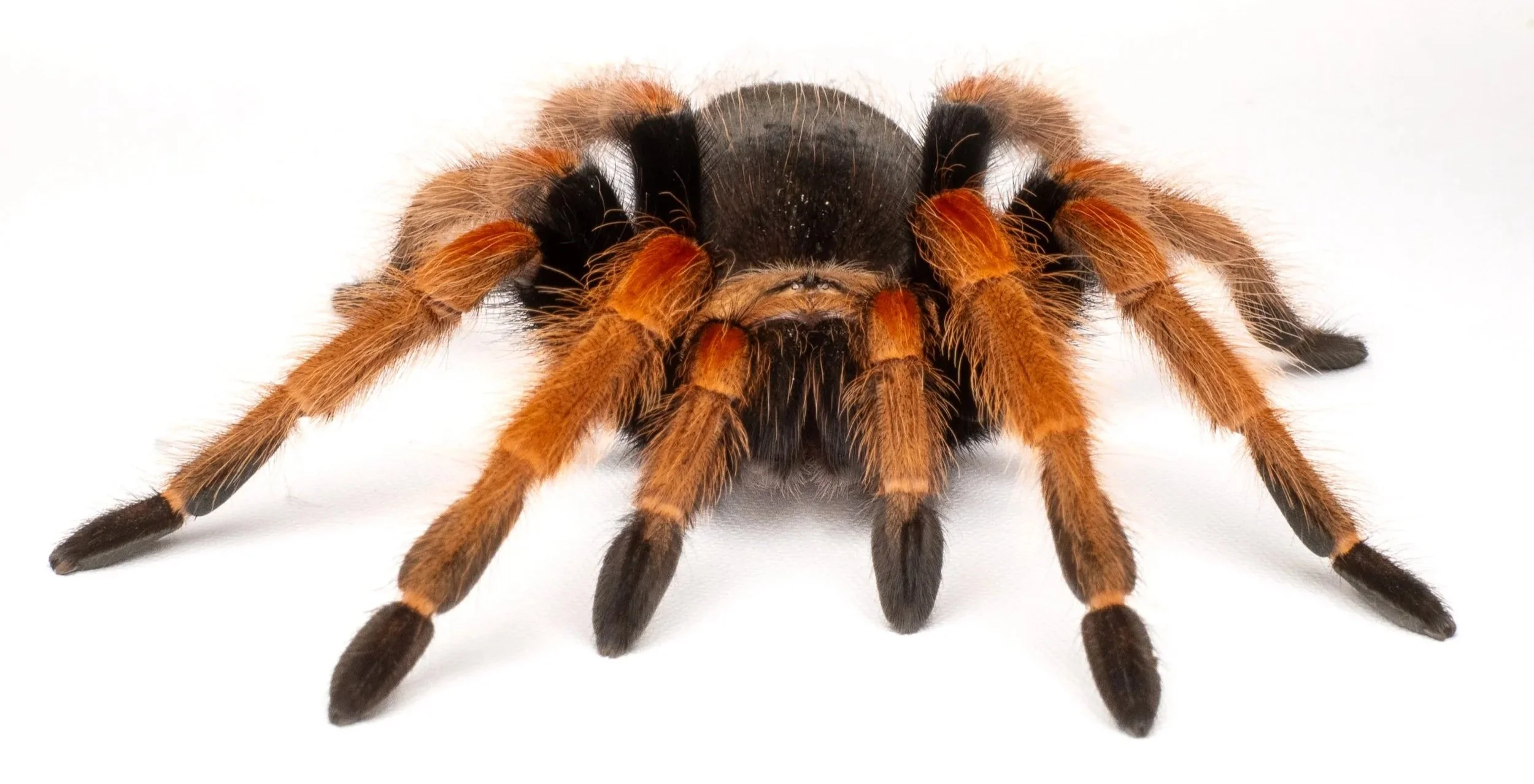
They weren’t giant monsters battling tyrannosaurs or anything like that at all. They were probably small, secretive ambush predators, much like many tarantulas today. They likely spent much of their lives hidden in burrows, beneath roots, under fallen vegetation, or inside natural crevices where humidity and temperature stayed more stable. Even then, the strategy was already working: stay hidden, conserve energy, wait patiently, and strike fast when prey wandered too close.
While dinosaurs evolved into birds and mammals spread into countless forms, tarantulas changed more slowly. Evolution absolutely reshaped them over millions of years, but it didn’t abandon the core design. Modern tarantulas aren’t identical to their ancient ancestors, but they’d probably be a lot more recognizable to them than a chicken would be to a velociraptor.
The entire planet changed around them, but tarantulas kept adapting without ever really stopping being tarantulas. One of the biggest reasons for that diversity may have been continental drift itself.
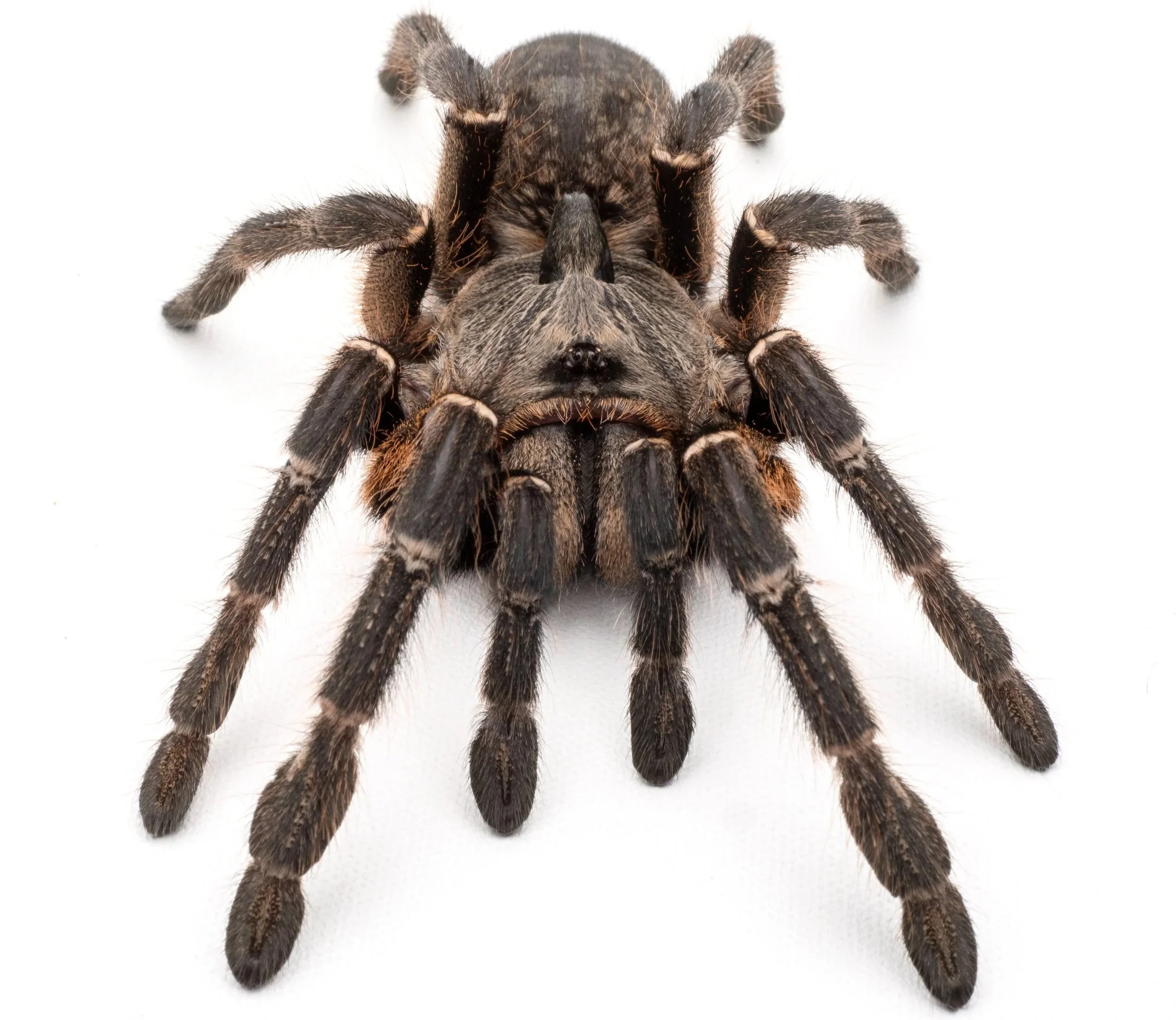
Tarantulas aren’t great travelers, and most species live very localized lives tied closely to a specific environment. That might be a hillside or the forest floor. It could be a deep desert burrow or a tree hollow high off the ground. Unlike birds or flying insects, tarantulas rarely travel long distances or cross major barriers, with the obvious exception of mature males wandering in search of females during breeding season.
So when continents split apart and environments changed, tarantula populations became isolated from one another for millions of years. And once that happens, evolution has room to get really weird.
Imagine an ancient tarantula population living in a humid prehistoric forest. Over millions of years, the climate shifts, and part of that region slowly dries into scrubland and open terrain. Forest cover disappears. Temperatures become more extreme. Water becomes less reliable.
The tarantulas surviving there may have been the ones best adapted to escaping heat and drought underground. Generation after generation, natural selection favors spiders that dig deeper burrows, conserve moisture more efficiently, and spend less time exposed on the surface. Eventually, that lineage becomes a highly specialized fossorial species built almost entirely around life underground.
Somewhere else, another isolated population remains in dense forest. Trees offer shelter, vertical hunting space, and protection from predators moving along the forest floor. Over huge stretches of time, selection favors spiders that climb well, move quickly, build silken retreats in bark and hollow branches, rely on camouflage, and navigate vertical surfaces without falling to their death like I absolutely would and nearly have. Those lineages gradually become the arboreal tarantulas we know today.
Other populations stay closer to the ground. These become the heavy-bodied ambush predators built for overpowering prey on the forest floor. Terrestrial species can defend themselves with threat displays, urticating hairs, camouflage, or just being big enough or fast enough that most animals decide they’ve got better things to do.
Over millions of years, drifting continents didn’t just move tarantulas around the map. They locked populations into separate worlds. Once those populations were isolated, evolution started shaping each lineage into a predator built for that environment. That’s why tarantulas can look so different while still feeling strangely familiar.
Even their colors and patterns may tell part of that story. Some species blend almost perfectly into bark, soil, moss, or dead leaves. Others have warning colors, metallic sheens, or dramatic contrast patterns that we still don’t fully understand. In some cases, scientists still don’t have a great answer for why certain tarantulas are so brightly colored in the first place.
And honestly, that’s part of what makes tarantulas so freaking interesting.
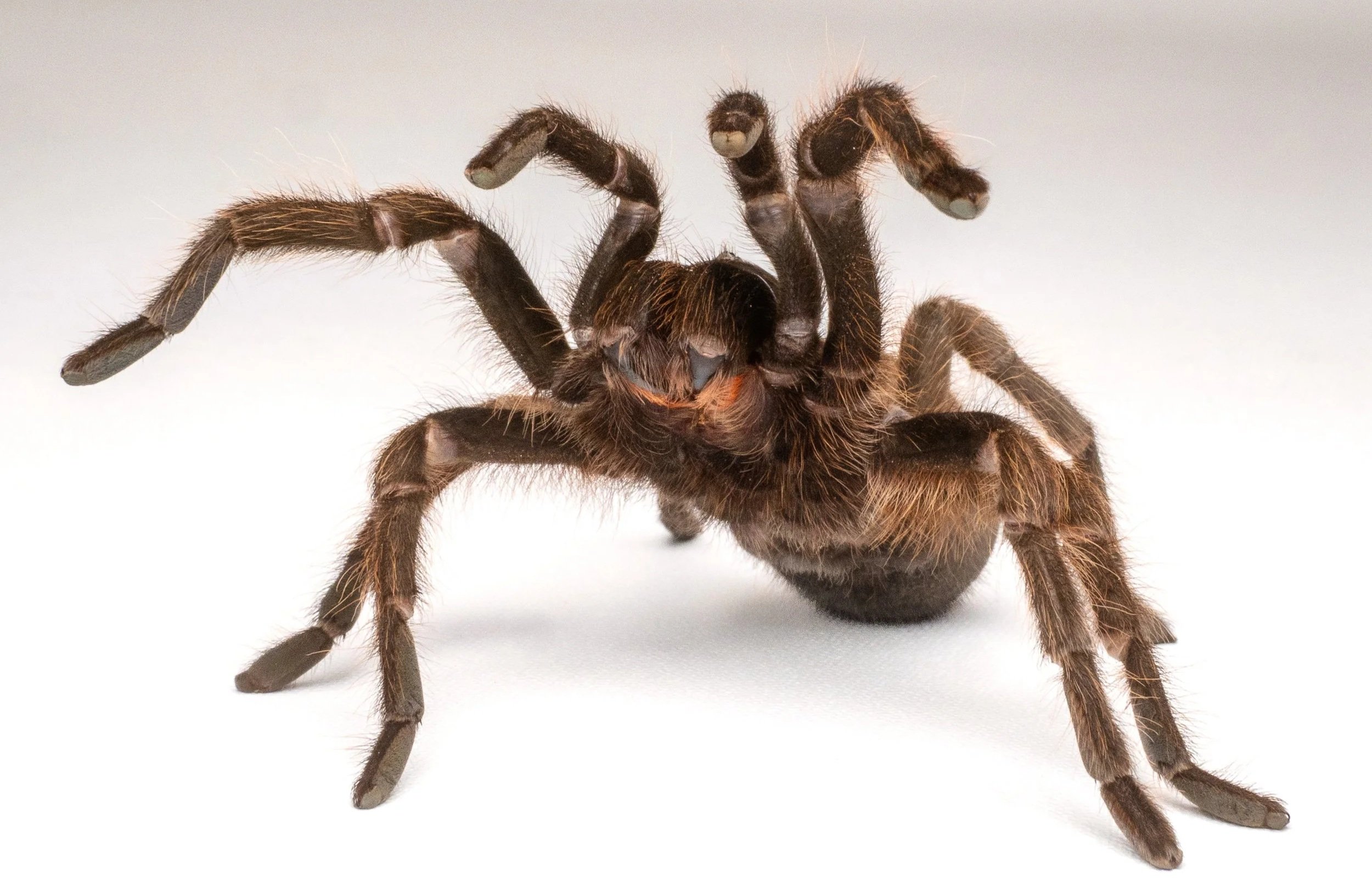
Because even after decades of research, tarantulas still feel tied to a world we can barely imagine. A prehistoric Earth with giant reptiles, ancient forests, volcanic landscapes, and continents slowly pulling away from each other. A world where being patient, hidden, efficient, and hard to kill may have mattered more than being the biggest, meanest animal around.
One reason ancient tarantulas remain so mysterious is that spiders don’t fossilize well. Dinosaurs left behind bones. Big, hard, mineral-friendly bones. Spiders are fragile though. Their bodies usually disappear completely after death, which is pretty inconsiderate, honestly, but every once in a while, nature preserves a moment in deep time.
When small animals get trapped in sticky tree resin, that resin can harden into amber and preserve incredible details from ecosystems that disappeared millions of years ago. Ancient spiders preserved in amber give scientists rare glimpses into worlds we’d never get to see otherwise. Fossil evidence for tarantulas themselves is still rare, which is why researchers rely so heavily on genetics, anatomy, geology, and evolutionary relationships to piece together their history.
Tarantulas aren’t living fossils frozen in time. They evolved. They adapted. They diversified into hundreds of species across the planet, but somehow, after more than 100 million years of extinction events, climate shifts, drifting continents, and evolutionary change, they still remain unmistakably tarantulas. So when we look at a tarantula today, we’re not looking at something alien. We’re looking at an ancient survivor, a predator whose lineage has been crawling through the shadows since dinosaurs walked the Earth.
Enjoying the free stuff?
If this article taught you something, answered a question, or stopped you from making a terrible enclosure decision, you can support Tarantula Collective here. Donations help fund videos, fieldwork, care guides, photography, and all the work that goes into keeping this site useful and ad-free.
