
Can Tarantulas & Spiders Get High?
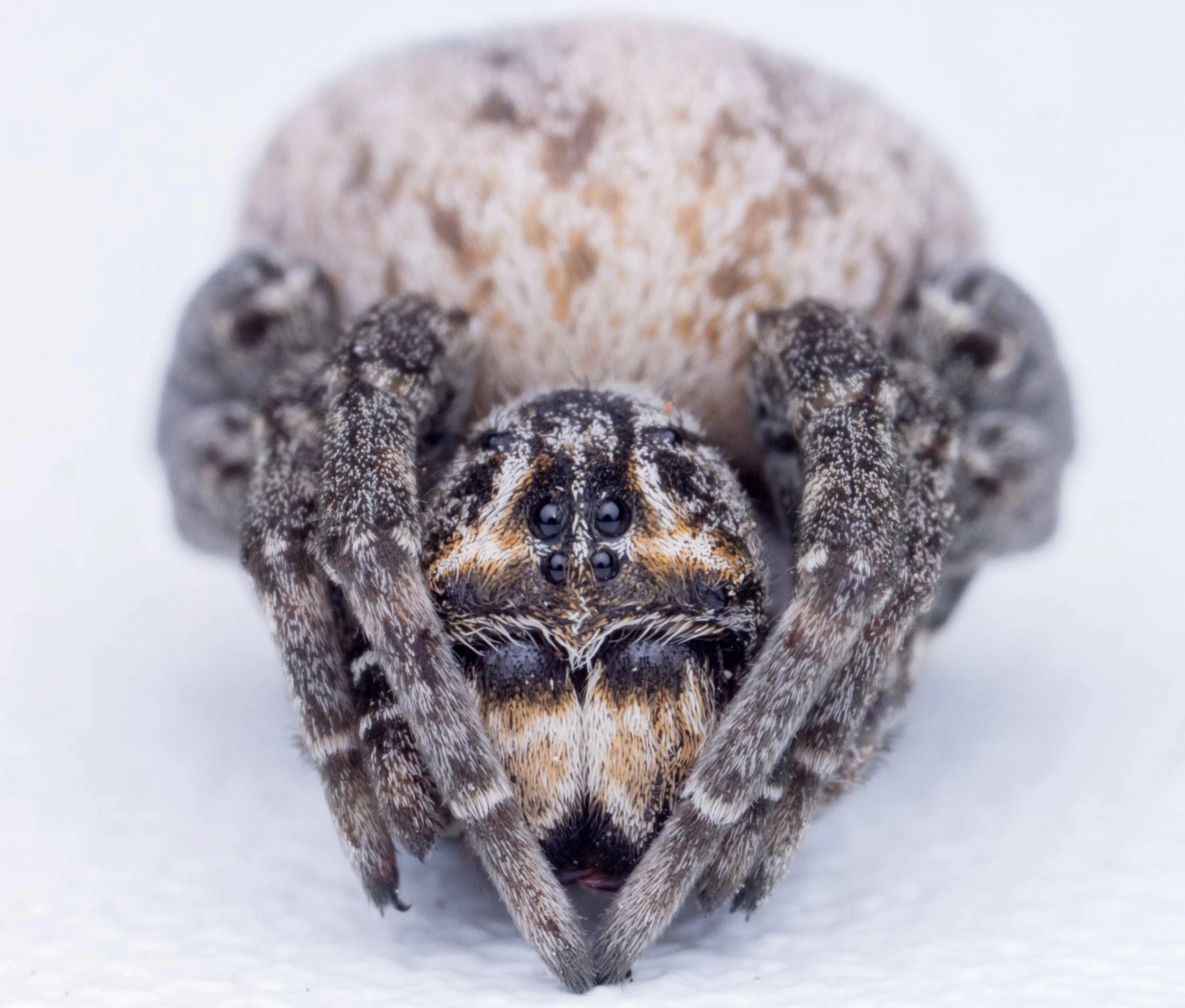
Stegodyphus lineatus - Desert Velvet Spider, Lined Velvet Spider, Social Velvet Spider, Striped Velvet Spider
It’s 4/20, which means at some point today somebody is going to ask a question that sounds dumb until you stop and think about it for just a second:
Can tarantulas get high?
The short answer is: probably not in any way that looks anything like a human cannabis high. The longer answer is more interesting, because it forces us to look at how tarantula nervous systems work, what cannabinoid biology actually looks like across animals, and why “I’m just curious” is not a good reason to turn your spider into a sketchy toxicology experiment in your dorm room.
What “Getting High” Actually Means
When people talk about getting high from cannabis, they are usually talking about THC interacting with the mammalian endocannabinoid system, especially cannabinoid receptors like CB1 and CB2. In mammals, that system is involved in regulating things like pain, appetite, memory, mood, and movement. THC changes signaling in that system, which is why it alters perception and behavior in the first place.
Of course chemicals can affect animals. The real question is whether tarantulas have the kind of biological machinery that would make THC produce something comparable to what humans mean when they say “high.” Based on the published research, that idea gets shaky fast.
Why This Whole Idea is Smoke
One of the biggest issues is that the classic cannabinoid receptors people usually mean when they talk about THC are not known to be present in insects, and broader reviews of animal cannabinoid biology continue to describe major differences in how this system is distributed across different groups. Insects are often used as the clearest example of animals lacking the canonical receptor system mammals use.
Now, tarantulas are not insects. They are arachnids. But this is also where the evidence gets really thin. I could not find a good peer-reviewed paper directly showing that tarantulas have a THC-relevant receptor system comparable to mammals, and I also could not find a solid tarantula-specific study showing that THC produces a defined, understood effect in them. That means anybody confidently claiming they know exactly what THC does to tarantulas is probably making it up, but if you know of a reputable paper, please send it my way.
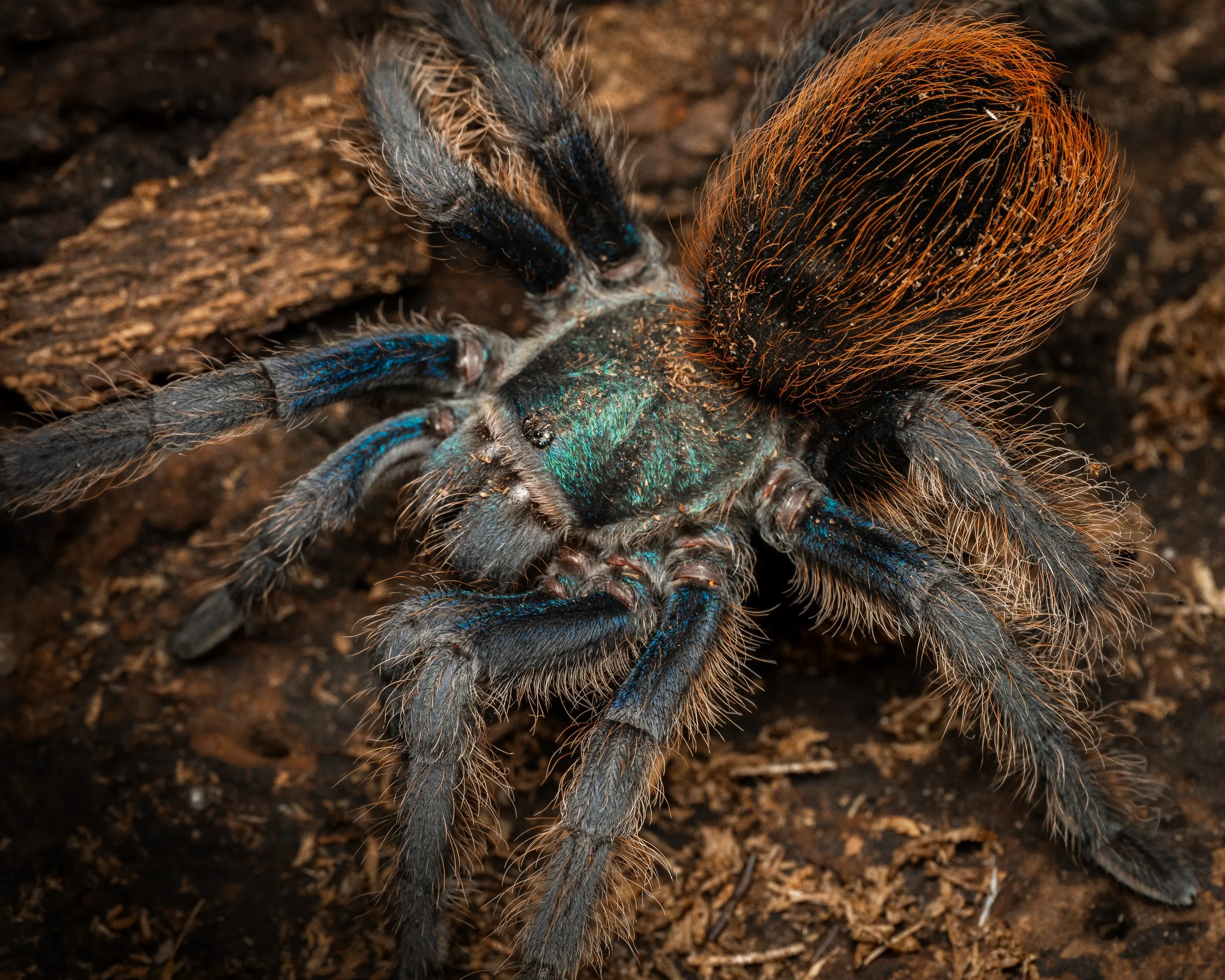
Aphonopelma mooreae - Mexican Jade Fuego Tarantula
Tarantulas Are Not Tiny Furry People With Eight Legs
Tarantulas do have a central nervous system, but they don’t have a mammalian brain or a mammalian style of processing the world. Their behavior is highly specialized, efficient, and built around a very different body plan and ecology. So when people imagine a tarantula getting “relaxed,” “stoned,” or “mellow,” they are mostly projecting a human experience onto an animal that does not experience the world in that way.
That does not mean tarantulas are unresponsive to neurologically active chemicals. It means that if a foreign compound does affect them, the result is much more likely to look like disrupted coordination, altered behavior, or physiological stress than some funny little spider version of chilling on a couch and listening to Pink Floyd. (people still listen to Pink Floyd, right?)
What Drug Studies on Spiders Actually Show
I know you have been thinking about this study since reading the title of this article. Researchers have been exposing spiders to neuroactive substances for decades, especially orb-weaving spiders. The classic spider-web drug studies are famous for a reason, i know you’ve seen the memes at least. Peter Witt’s 1971 review pulled together a large body of work showing that drugs can alter web-building behavior, sometimes dramatically. Later studies, including work by Hesselberg and Vollrath, showed that compounds like caffeine, amphetamine, and scopolamine (motion sickness medicine) changed both web geometry and web-building behavior in orb-weaving spiders.
That is important, because it shows that when spiders are exposed to neurologically active compounds, the result is not “fun.” The result is disruption. Their behavior becomes less normal, less coordinated, and less functional. Tarantulas do not build orb webs, so you would not get the same dramatic before-and-after web diagrams. But the broader point still holds: spiders under the influence of foreign neuroactive compounds tend to show impaired output, not a good time.
What About THC Specifically?
Again, I could not find a peer-reviewed study directly testing THC exposure in tarantulas. We don’t have good evidence that tarantulas get high from THC. We also don’t have good evidence that THC exposure is safe for them. What we do have is a broader literature showing that cannabinoid biology varies widely across animals and that arthropods do not simply mirror mammals here.
There is some evidence from other arthropods that cannabis exposure can affect physiology in ways that aren’t tied to the classic mammalian receptor model. One study in fruit flies (Drosophila) found that inhaled marijuana altered heart function even though canonical mammalian cannabinoid receptors are absent from the fly genome. That does not mean flies get high like people, and it doesn’t tell us what THC would do to a tarantula. But it does show that “no mammalian-style receptor” is not the same thing as “no biological effect at all.”
And that is exactly why this is not something anybody should be experimenting with at home on their pet spiders.
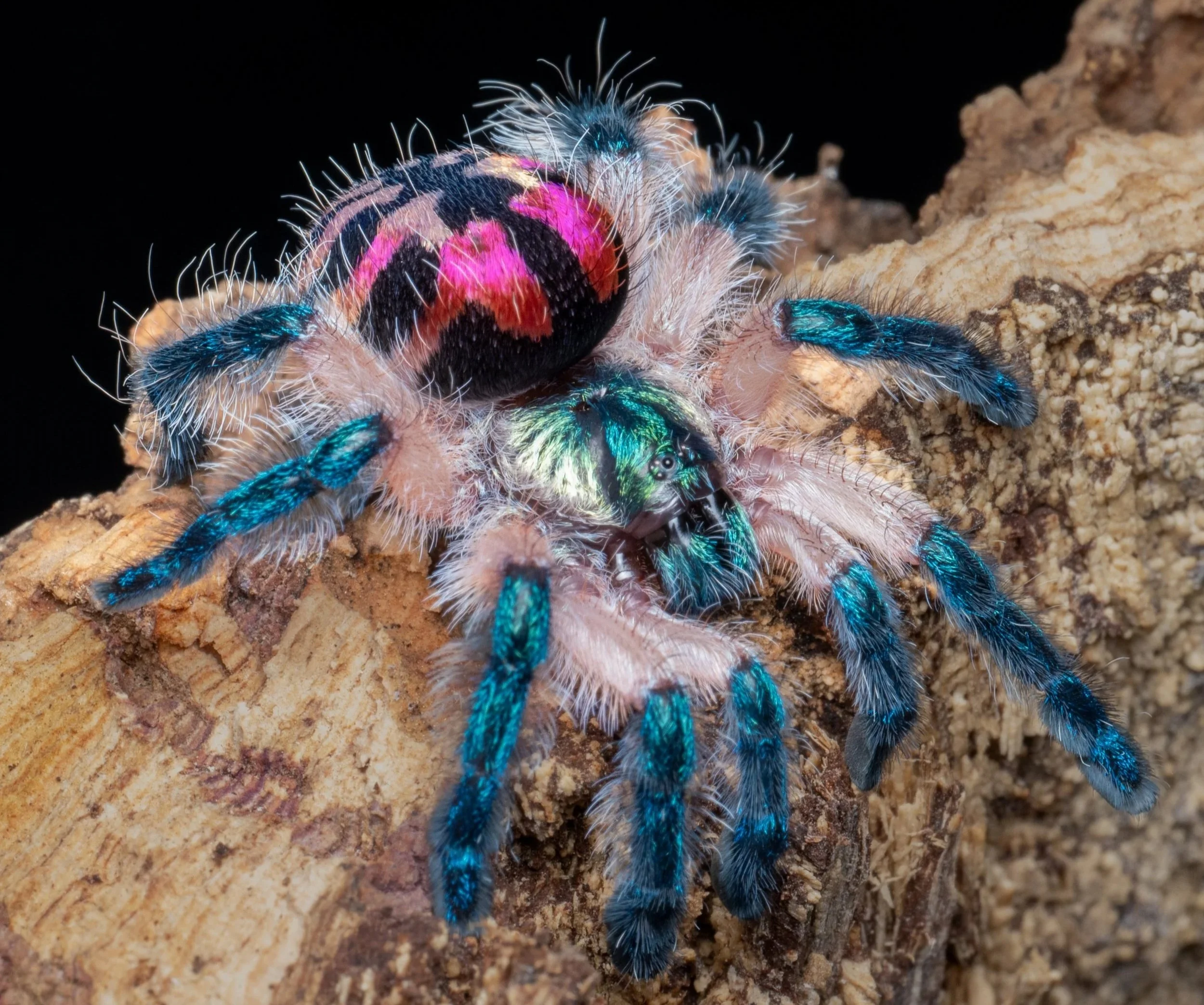
Typhochlaena seladonia - Brazilian jewel tarantula
Curiosity Is Fine. Testing It on Your Spider Is Not.
Tarantulas are small-bodied, highly specialized animals that rely on stable environmental conditions, precise motor control, and normal sensory processing. They are also easy to stress and easy to harm in ways that are not obvious until it is too late. Adding smoke, vapor, oils, or psychoactive compounds into that equation because you want to see what happens is not responsible husbandry. It is just screwing with an animal that cannot tell you when something is wrong.
The hobby has enough nonsense to deal with already. We don’t need “my tarantula is chill because I hotboxed the enclosure” added to the list of things future keepers have to unlearn. But I digress.
The Better Question
What happens when we force a human framework onto an animal with very different biology?
Usually, we misunderstand them.
A tarantula that sits still for hours is not “zooted.” (did i use that right?) They are an ectothermic ambush predator with a naturally low metabolic rate and a body built for patience, not constant motion. Their normal behavior already gets misread by people all the time. We do not need to add drug mythology on top of that.
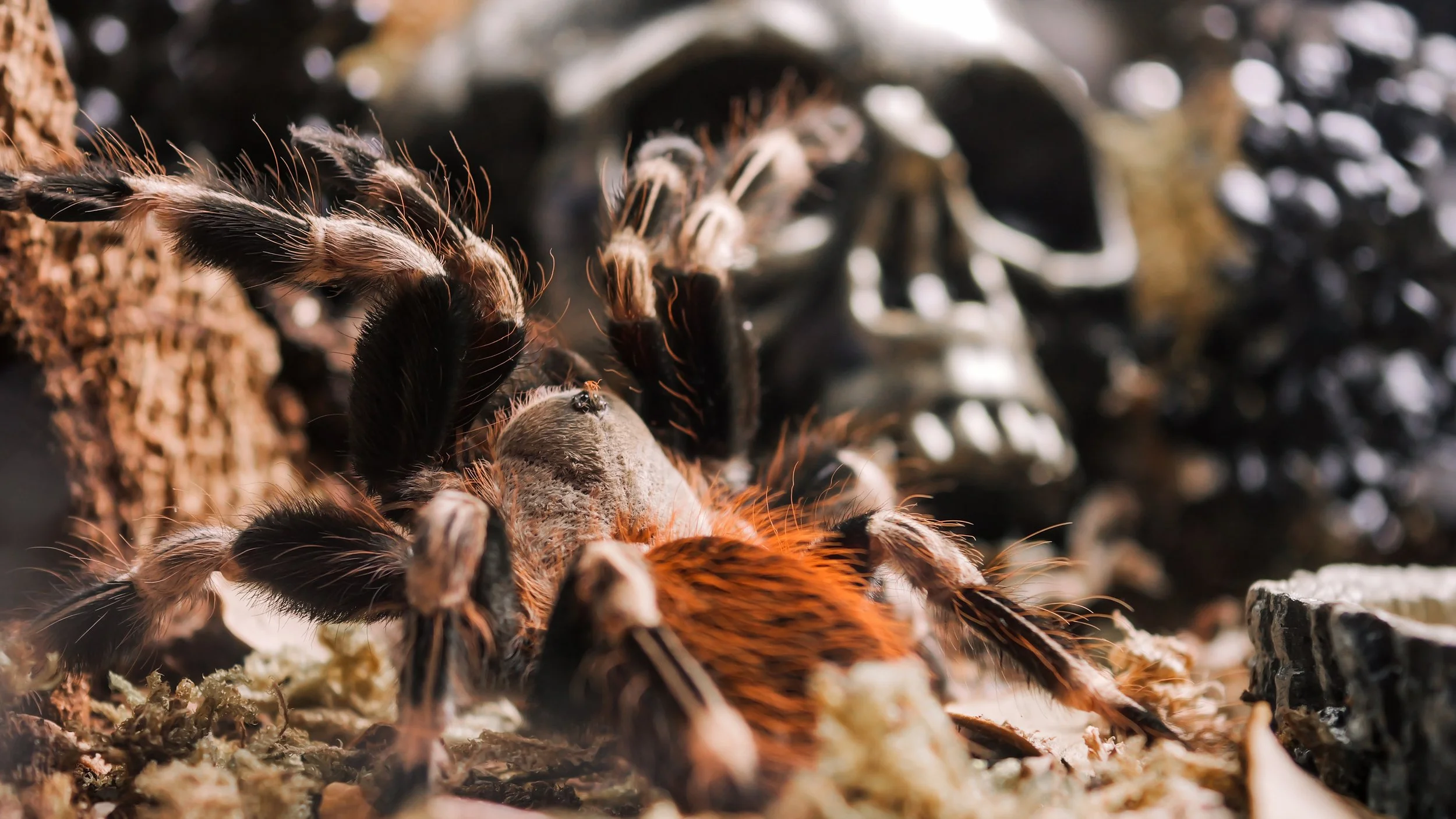
Vitalius chromatus (formerly Nhandu chromatus) - Brazilian Red & White Tarantula
Final Thoughts
So, can tarantulas get high? I hate to harsh your mellow or be the dude killing your buzz, but this cruster is about to tax your gig hardcore.
Based on the evidence we actually have, probably not in any way that resembles a human being “stoned”. There is no solid tarantula-specific evidence showing a mammal-like THC effect, and there is plenty of reason to think that exposing spiders to neurologically active compounds is more likely to produce dysfunction and stress more than anything else.
So this is one of those questions that is interesting to ask, interesting to research, and terrible to test out on your own spiders.
That does not make me Buzz Killington.
Enjoying the free stuff?
If this article taught you something, answered a question, or stopped you from making a terrible enclosure decision, you can support Tarantula Collective here. Donations help fund videos, fieldwork, care guides, photography, and all the work that goes into keeping this site useful and ad-free.
