
Signs Your Tarantula Is About to Molt
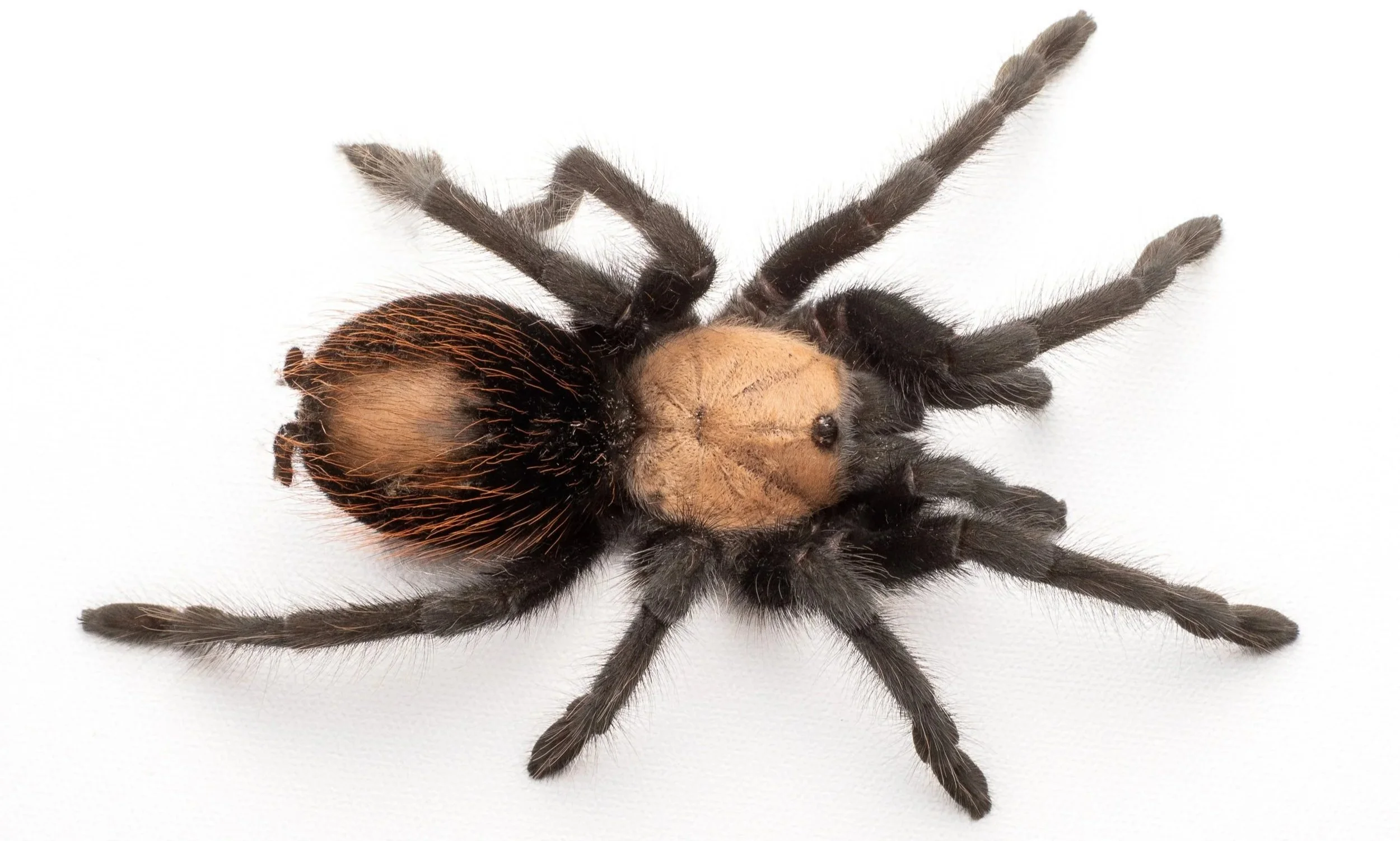
Brachypelma albiceps - Golden Red Rump Tarantula in pre-molt
Molting is one of the most fascinating parts of keeping a tarantula, and also one of the most nerve-racking.
If you are newer to the hobby, a tarantula going into premolt can look sick, stressed, or like they have suddenly decided to disappear forever just to mess with you. They may stop eating, hide for weeks or even months, darken up, web up their whole enclosure, and generally act nothing like they did a few days earlier. That can be alarming if you do not know what you are looking at.
The good news is that molting is a normal process. It is how tarantulas grow, replace damaged tissue, and sometimes even regenerate lost limbs over time. Once you understand the signs of premolt and what your tarantula needs during that stage, the whole process becomes a lot less mysterious and a lot less stressful for both of you.
What Molting Actually Is
Tarantulas, like all arachnids, wear their skeleton on the outside of their body. That exoskeleton protects them, supports them, and gives them structure, but it also means they cannot just keep getting bigger inside the same shell forever.
Eventually the old exoskeleton becomes too tight, and they have to shed it in order to grow. That process is called ecdysis, or molting.
Spiderlings molt often, sometimes every few weeks or months depending on the species, feeding schedule, and conditions. Adults molt much less frequently, sometimes only once a year or even less. Mature males are different. Once they reach adulthood and go through their ultimate molt, they usually do not molt again. The molt just before that is called the penultimate molt.
Before the actual molt happens, the tarantula enters a stage called premolt. That is when you start seeing the physical and behavioral changes that tell you a molt is on the way.
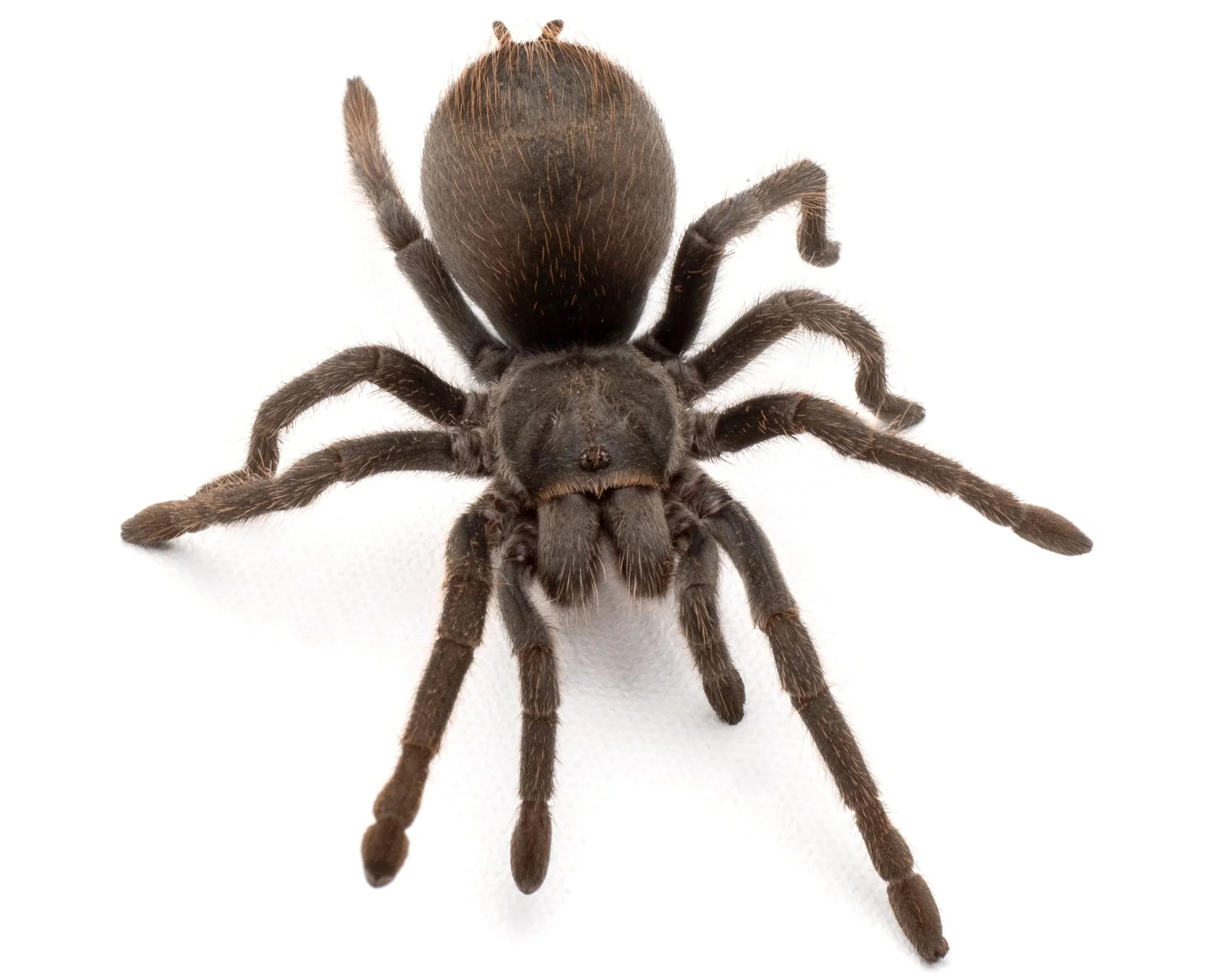
Aphonopelma mooreae - Mexican Jade Fuego Tarantula spiderling in premolt
The Most Common Signs of Premolt
There is no exact timer that tells you when a tarantula will molt, but there are some very common clues. Some spiders show all of them. Others only show a few. And some species are so dramatic about it that you would think they were writing their own obituary.
1. A Dark, Shiny, or Swollen Abdomen
One of the most reliable signs of premolt is a change in the abdomen.
As the new exoskeleton forms underneath the old one, the outer layer starts to stretch and thin. That often makes the abdomen look darker, sometimes glossier, and in many cases noticeably more swollen. This is especially obvious in New World species that have kicked off some of their urticating hairs, because the bald patch on the abdomen can darken dramatically as the molt gets closer.
Depending on the species, that dark patch may look gray, bluish, nearly black, or just generally much darker than before. In some tarantulas, the abdomen gets that stretched, shiny look where it almost resembles a hairy grape. And when you see that dark, tight, glossy abdomen, that usually means the molt is not far off.
2. They Suddenly Stop Eating
This is one of the signs that freaks new keepers out the most.
A tarantula that has been eating like normal may suddenly refuse food, and sometimes they do that for a long time. In premolt, this is completely normal. The spider is diverting energy into the molting process, and feeding during this stage can actually be risky. Their instinct is to shut that whole operation down until the molt is over.
That fasting period can last days, weeks, or in some cases much longer depending on the species and age. Adults, especially slower-growing species, can take their sweet time. Your script mentioned a Grammostola rosea that went more than a year without eating before finally molting, which sounds dramatic but is honestly very on-brand for that species.
The important part is this: if the tarantula is otherwise in good condition and showing other signs of premolt, refusing food is not an emergency. It is part of the process.
3. Lethargy and Hiding
Premolt tarantulas often slow way down.
They may become sluggish, spend more time in a burrow or hide, and generally act like they are done socializing with the world, which for a tarantula is really saying something. Some species will retreat deep into their burrow and stay there. Others will block the entrance with dirt or webbing and completely seal themselves off.
That behavior is normal.
They are not being dramatic for no reason. They are trying to create a stable, secure environment where they can molt safely without being disturbed. That is one of the reasons you should not go digging them out just because you are curious.
4. More Webbing or Burrow Remodeling
A lot of tarantulas do some “home improvement” right before a molt.
Some will lay down a heavy web mat that they later use during the molt itself. That web gives them traction and support while they work their way out of the old exoskeleton. Others will reinforce the walls of a burrow, seal up entrances, or build a little silk retreat where they plan to molt in peace.
If your tarantula suddenly starts doing a bunch of construction work after acting lethargic and refusing food, that is usually a pretty strong hint that a molt is coming.
5. Duller Coloration Overall
Along with the abdomen changes, many tarantulas start looking duller overall in premolt.
The legs and carapace can lose some of their normal vibrancy, and colors that usually look deep and rich can start to look faded, washed out, or dusty. Blacks may shift toward gray or brownish tones. Everything just starts to look a little tired.
Then after the molt, they usually come out looking fresh, bright, and brand new, like they just unlocked the high-definition version of themselves.
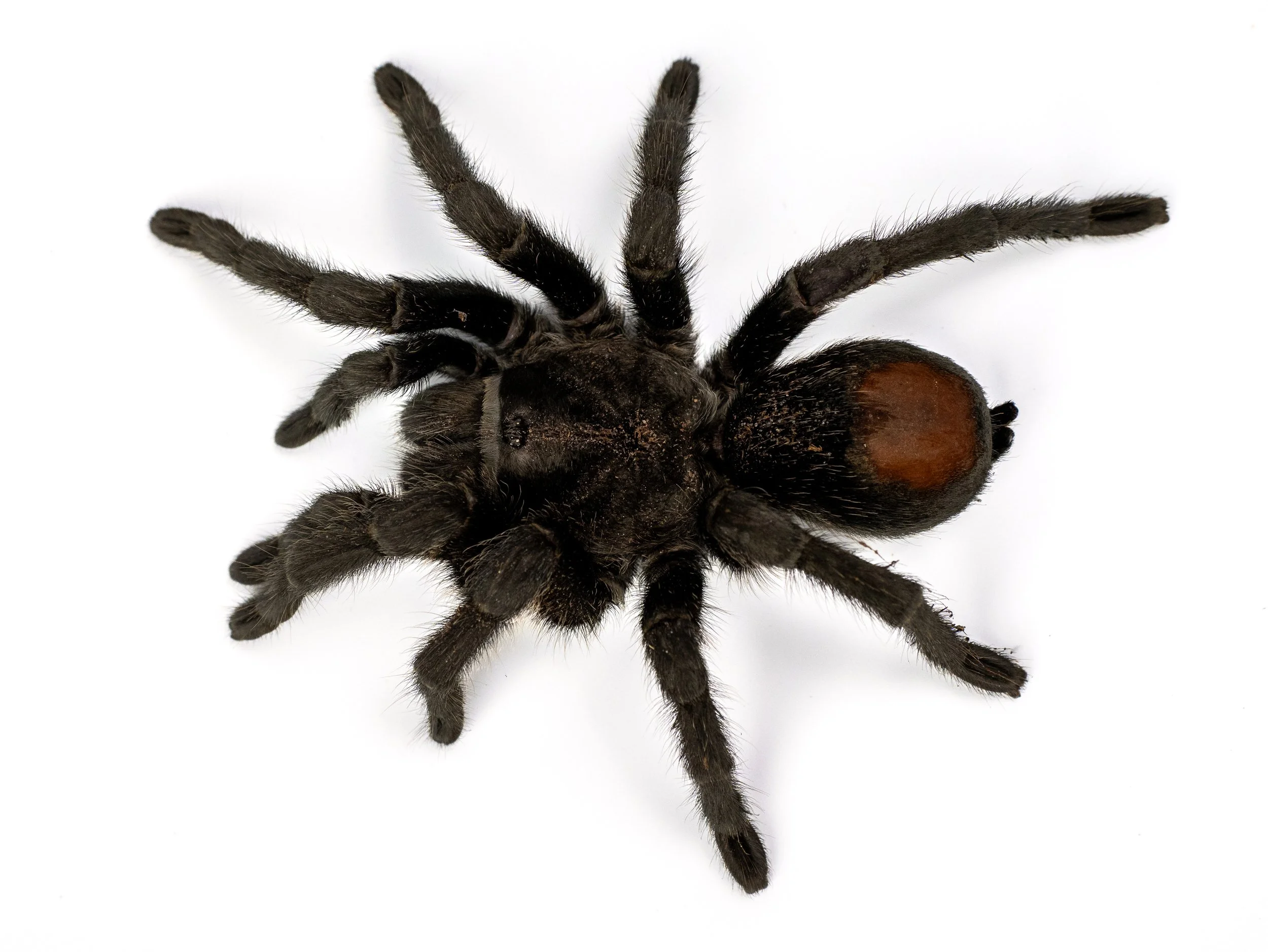
Grammostola pulchra - Brazilian Black Tarantula in pre-molt
What To Do Once You Know They’re in Premolt
This is the part that matters most.
Once you are reasonably sure your tarantula is in premolt, your job is not to “help” them molt. Your job is to set them up so nothing interferes with the molt.
That mostly comes down to hydration, stability, and leaving them alone.
Keep Them Hydrated
Dehydration is one of the biggest things that can contribute to molting problems.
Always make sure your tarantula has access to clean water. Even species from drier environments drink regularly, and a well-hydrated tarantula is in a much better position to molt successfully. Overflowing the water dish once in a while to lightly moisten a corner of the substrate can also help maintain some moisture without turning the whole enclosure swampy.
This is especially important because by the time a tarantula is visibly struggling during a molt, the problem usually started earlier. Good hydration leading up to the molt matters much more than a last-minute panic reaction.
Do Not Handle or Rehouse Them
If your tarantula is in premolt, leave them where they are.
Handling is risky enough under normal circumstances, but in premolt it is an especially bad idea. Their exoskeleton is tight, their abdomen may be swollen, and even a short fall can rupture the abdomen or otherwise cause catastrophic damage. Rehousing is also something to avoid unless it is absolutely unavoidable.
If they need an upgrade, wait until after the molt and after they have fully hardened up.
Do Not Dig Them Out
If your tarantula seals themselves into a burrow or web tunnel, do not tear it open to check on them.
That behavior is normal and often part of how they create the stable conditions they want for molting. Digging them out destroys that carefully prepared microhabitat, causes unnecessary stress, and can create exactly the kind of disruption they were trying to avoid in the first place.
I know it can be hard when they disappear for a long time, but this is one of those moments where patience is part of good husbandry.
Respect the Hunger Strike
If your tarantula refuses food in premolt, stop offering food for a while.
Do not keep tossing prey in there just to “see if maybe they changed their mind.” They didn’t. Live prey can stress them out, and if they are very close to molting, it can become genuinely dangerous. They will eat again when they are ready, usually after the molt and once the fangs have hardened.
Remove All Live Feeders
This one is important enough to say twice in different ways.
Never leave live prey in the enclosure with a tarantula that is about to molt or is actively molting. Crickets, roaches, and other feeders can injure or even kill a soft, immobile spider. A tarantula mid-molt is extremely vulnerable, and a feeder that would normally be harmless can become a real threat.
If you suspect a molt is close, remove anything uneaten immediately.
Keep the Environment Quiet and Stable
Premolt is not the time for constant checking, tapping, flashlight inspections, or moving the enclosure around every five minutes.
Keep the enclosure in a quiet place away from heavy traffic, loud noise, and vibration. If you know the room is unusually active, it can help to move the enclosure somewhere calmer before the actual molt starts, as long as you do it gently and before things become critical. Your script also mentioned lightly covering the enclosure if it is safe to do so, which can help reduce light and disturbance.
The less chaos around them, the better.
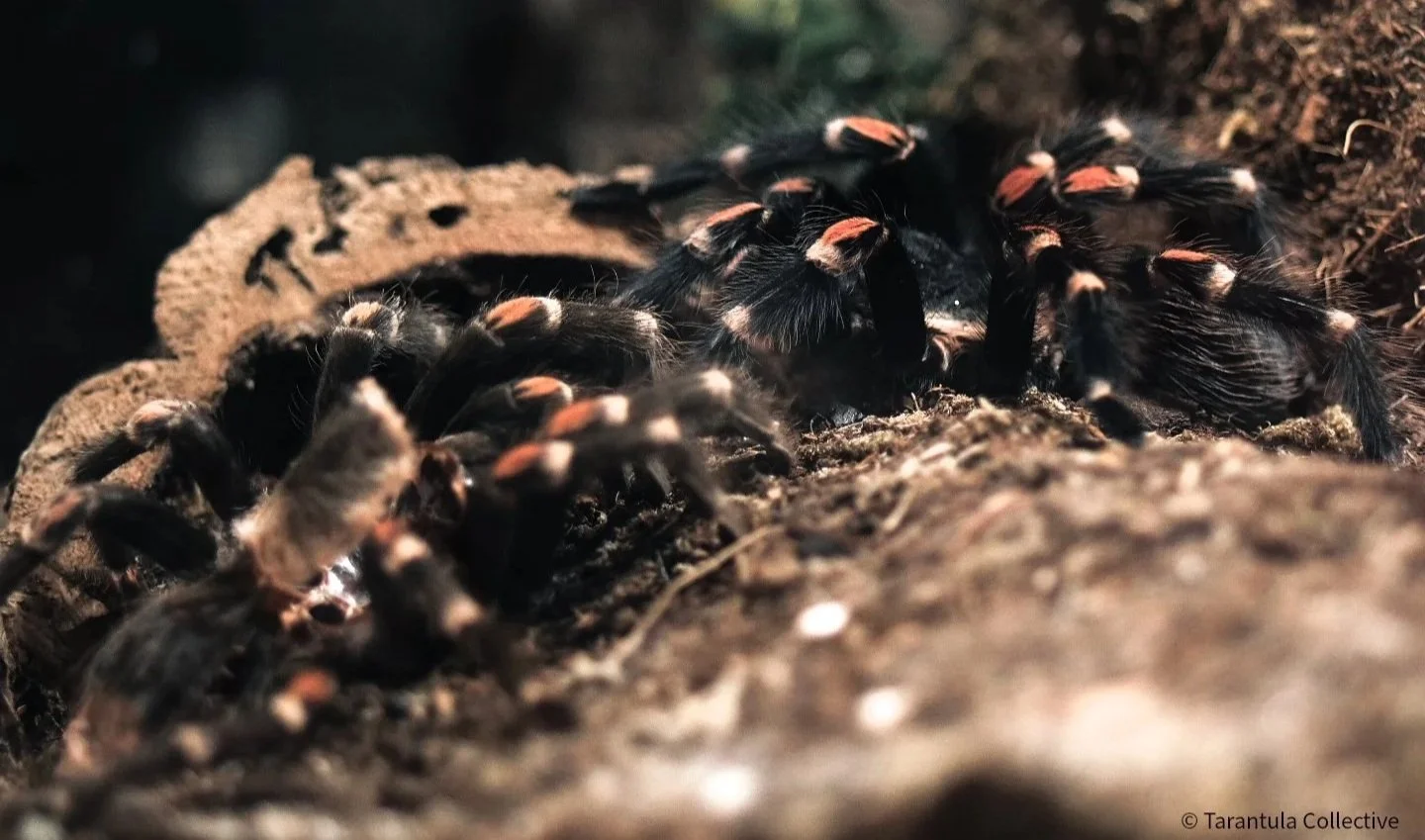
Brachypelma auratum - Mexican Flame Knee Tarantula recently molted (right) and shed molt (left)
What the Actual Molt Looks Like
When it is finally time, the tarantula will usually roll onto their back or side.
This is the moment that sends new keepers into full panic mode, because it looks wrong if you have never seen it before. But that upside-down position is completely normal. It is how they molt.
Once the process starts, they slowly work themselves free from the old exoskeleton, usually starting at the carapace and then easing the legs out one by one. Depending on the spider’s size, health, and species, that can take anywhere from half an hour to several hours.
During this time, do not spray them, touch them, tap the enclosure, or try to “help.” Any disturbance can cause injury at the worst possible moment.
What to Expect After the Molt
After the molt is over, your tarantula will look incredible.
The colors are usually brighter, the body looks fresh, and even an old, scruffy spider can suddenly look like a brand-new animal again. But they are also extremely soft and vulnerable at this stage. The new exoskeleton, fangs, and all those joints need time to harden before the spider is really safe again.
That means:
do not handle them
do not feed them right away
keep clean water available
give them time
A good rule is to wait until the fangs turn black again before offering prey. For slings that may only take a few days. For adults, it may take a week or two.
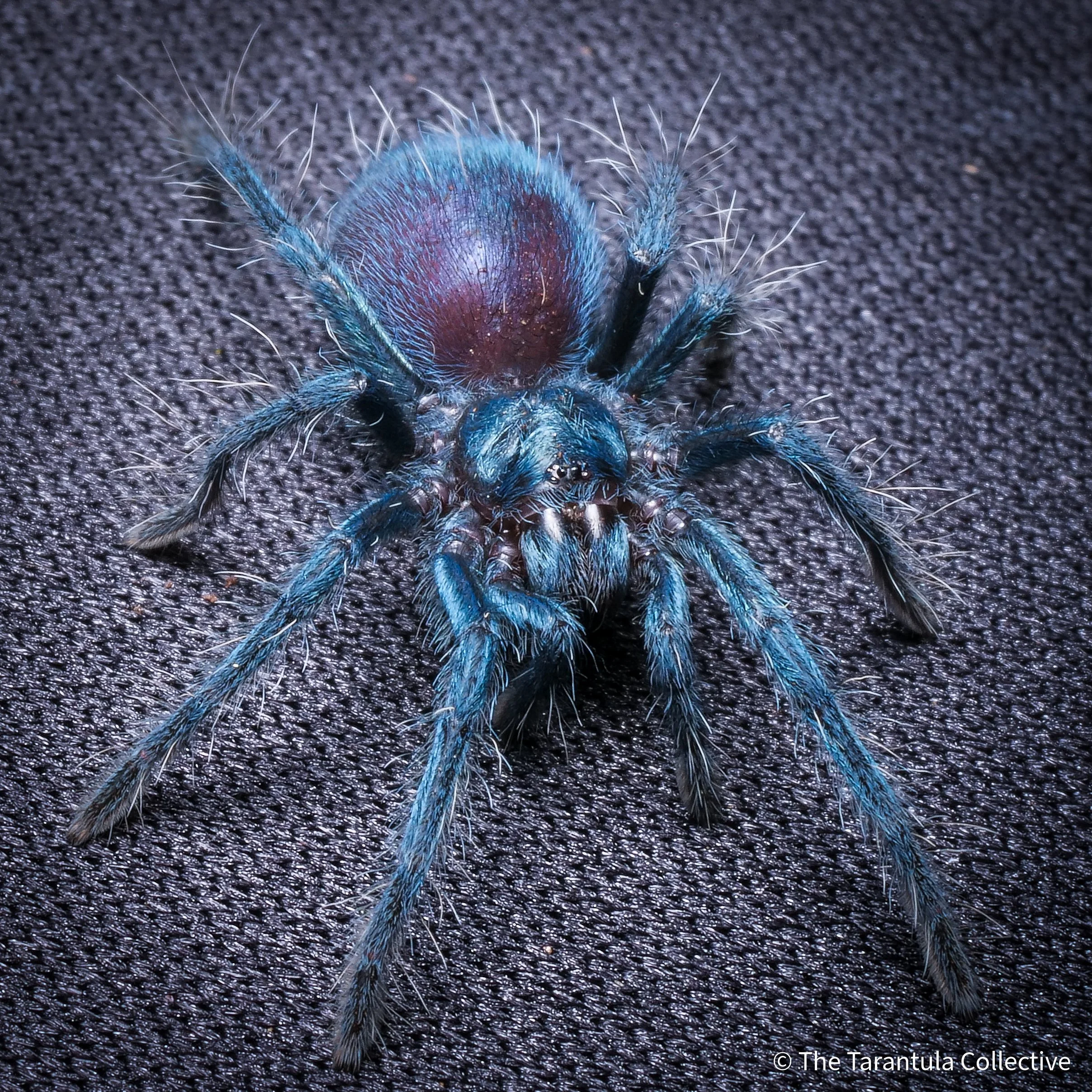
Phormictopus sp. 'Blue Azul' - Dominican Blue Bird Eater Tarantula spiderling in pre-molt
When You Should Actually Be Concerned
Most molts go fine if the husbandry leading up to them has been good. But occasionally things do go wrong.
Wet Molt
A wet molt can happen when the enclosure is overly damp and lacks the right balance of ventilation and moisture. The tarantula may appear slick or overly shiny during the molt, and the old exoskeleton may not separate cleanly. That can lead to deformities, stuck body parts, lost limbs, or death.
If this happens, resist the urge to jump in immediately. A freshly molting spider is in an incredibly vulnerable state, and any attempt to “help” can trigger movement that makes things worse.
Stuck Limbs or Body Parts
Sometimes a piece of the old exoskeleton stays attached to a leg, pedipalp, spinneret, or some other part of the body.
This is often related to hydration problems or improper conditions during the molt. In mild cases, it may come off on its own after a little time and slightly improved conditions. If it does not, and only after the tarantula is fully hardened, you may be able to carefully remove the dried fragment with long tweezers. In more severe cases the limb may be lost, but tarantulas can often regenerate damaged or missing limbs over future molts.
Stuck Inside the Molt
If a tarantula has been on its back for an unusually long time without progress and clearly appears trapped, that is one of the more serious situations.
Even then, intervention is risky. Your script’s advice here is the right tone: increasing humidity slightly, darkening the room, and giving the spider quiet time is safer than rushing in. Very careful moistening of the old exoskeleton may sometimes help as a last resort, but touching the spider directly is never something to do casually.
Fluid or Hemolymph Leaks
If you notice fluid leaking from the body or limbs, the tarantula may have torn the soft new exoskeleton.
Sometimes cornstarch or liquid bandage can help slow a leak, but injuries like this are often severe. This is one of those cases where prevention matters far more than emergency treatment. Good hydration, low stress, and proper husbandry before the molt are what give the spider the best chance in the first place.

Brachypelma auratum - Mexican Flame Knee Tarantula recently molted (right) and shed molt (left)
Most Molt Problems Start Before the Molt
When a tarantula struggles during a molt, the outcome was usually shaped by the husbandry leading up to that moment. By the time something looks visibly wrong, you often cannot fix it in real time. Your comparison to growing plants is actually perfect. By the time the plant is clearly crashing, the real issue has usually been building for a while. Tarantulas are the same way.
That is why stable husbandry matters so much:
proper hydration,
clean water,
good ventilation,
appropriate substrate conditions,
low stress,
and patience.
By the time the molt starts, the die is mostly cast.
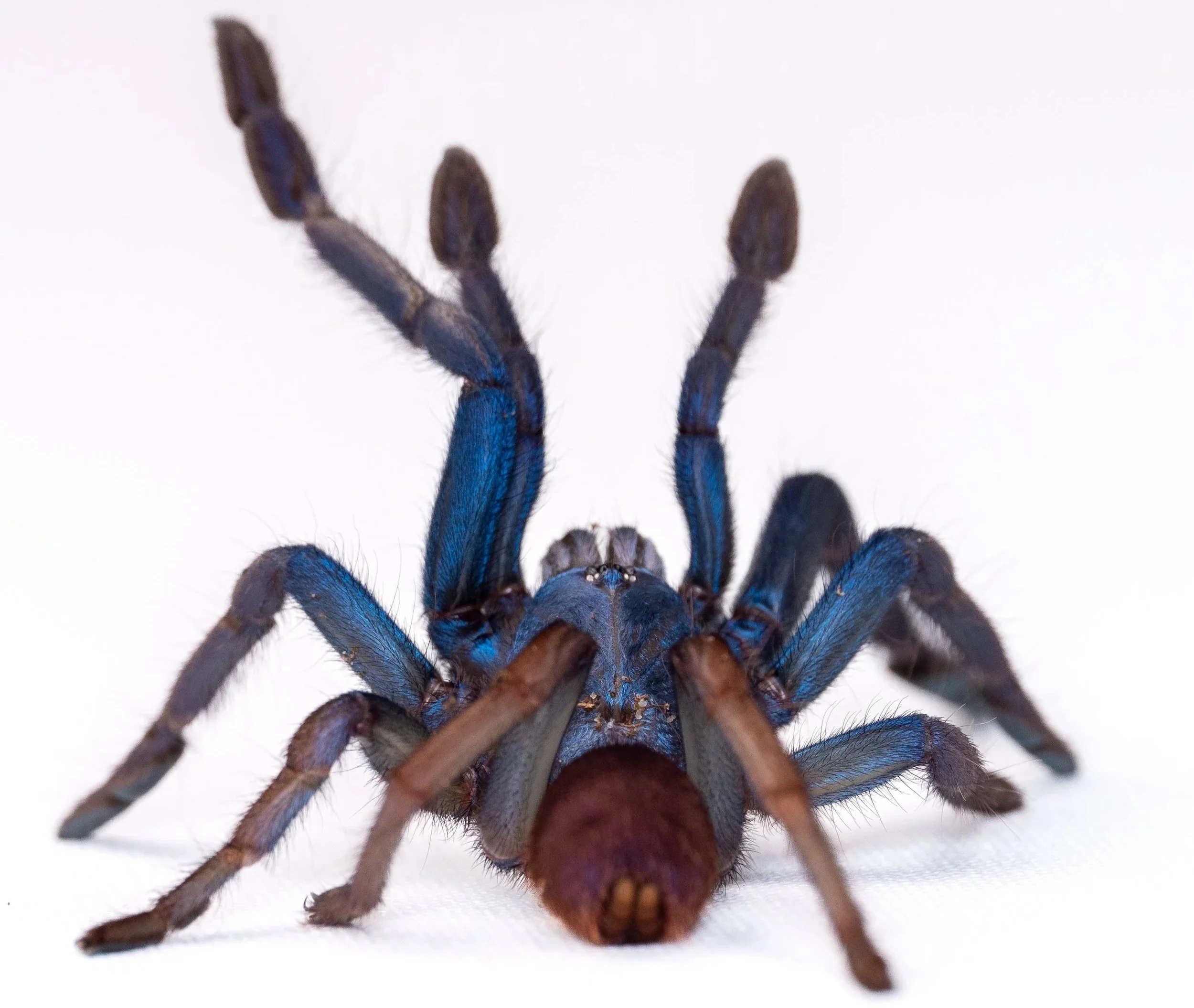
Cilantica devamatha - formerly Haploclastus devamatha - formerly Thrigmopoeus psychedelicus - Psychedelic Earth Tiger freshly molted
Final Thoughts
Molting is one of the most delicate and important events in a tarantula’s life.
When everything goes right, it is one of the most satisfying things to witness in the hobby. A tarantula that looked dull, sluggish, and buried for weeks suddenly shows up in a fresh suit of armor looking brighter, healthier, and bigger than before. That is one of the coolest payoffs in keeping these animals.
But the key to a successful molt is usually not intervention. It is preparation.
If you know the signs of premolt, keep your tarantula hydrated, remove feeders, avoid disturbing them, and let them do what they are built to do, you are already doing the most important part of your job.
And when that fresh, newly molted tarantula finally stretches out and starts showing off those brighter colors, it is a pretty good reminder that patience pays off.
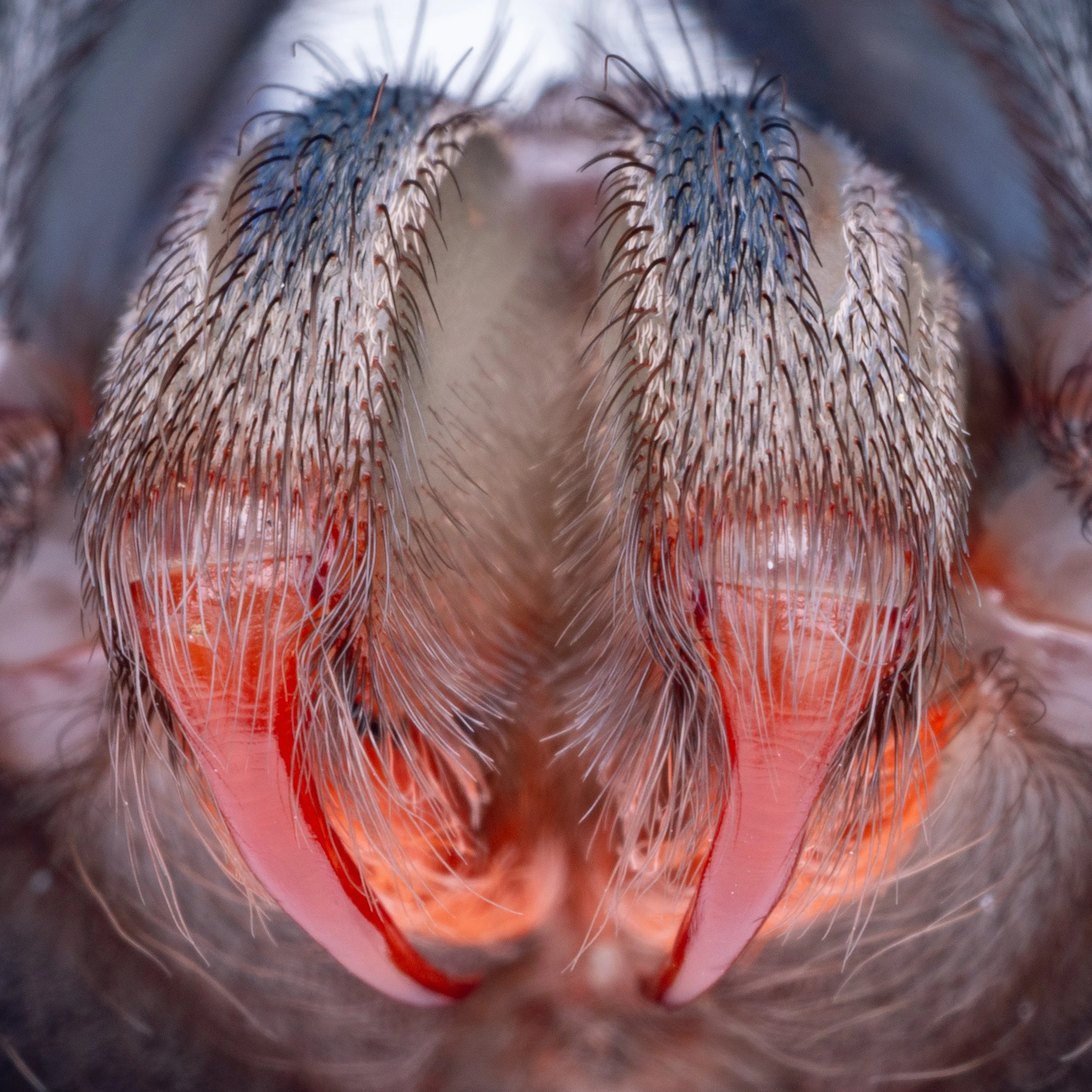
Cilantica devamatha - formerly Haploclastus devamatha - formerly Thrigmopoeus psychedelicus - Psychedelic Earth Tiger Tarantula fangs after a molt
Enjoying the free stuff?
If this article taught you something, answered a question, or stopped you from making a terrible enclosure decision, you can support Tarantula Collective here. Donations help fund videos, fieldwork, care guides, photography, and all the work that goes into keeping this site useful and ad-free.
