
Humans and Spiders: The Roommates We Never Chose
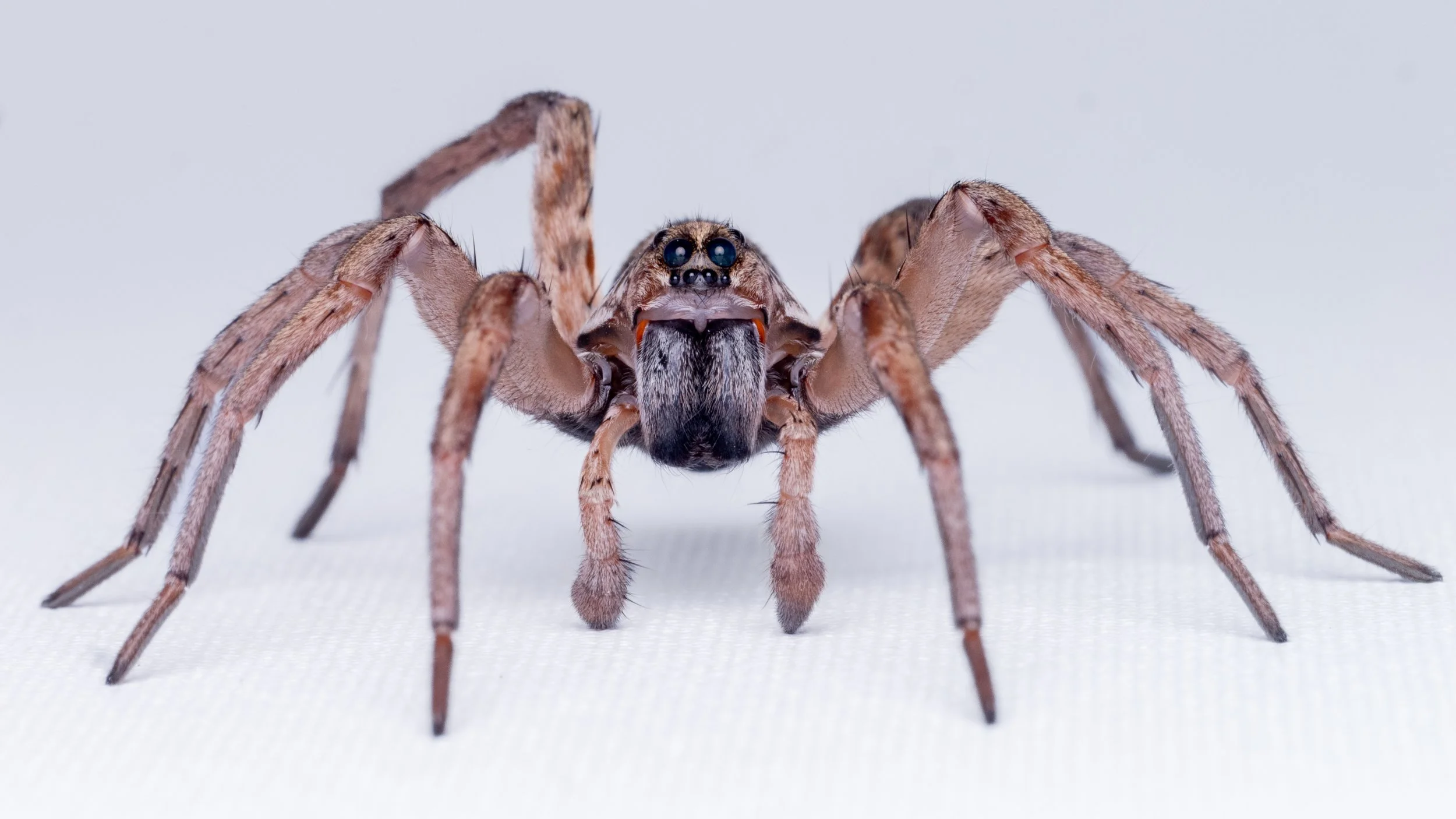
Hogna carolinensis - Carolina Wolf Spider
Ever wonder why you keep finding spiders in your basement, bathroom, garage, or some weird corner of the house where you definitely did not approve a lease agreement?
Turns out, this strange little roommate situation is not new.
Humans and spiders have likely been sharing sheltered spaces for a very long time. Long before houses, attics, and unfinished basements, humans sought out caves, crevices, and rock shelters for protection. Those same kinds of environments also make excellent habitat for spiders and other arthropods. And even today, scientific work on synanthropic spiders shows that many spider species continue to use human buildings as stable shelter, with walls, corners, basements, and other structures functioning as reliable habitat.
Before Houses, There Were Caves
You don’t have to go that far back until we did not have climate control, electric lighting, or doors that lock and seal nature out. What they did have were caves, rock overhangs, and other sheltered spaces that offered protection from weather and predators.
But those spaces were never empty.
Dark, stable, protected shelters tend to attract all kinds of small life: spiders, scorpions, insects, cave crickets, centipedes, bats, and plenty of other animals looking for the same thing we were looking for, which is a place that is safer and more stable than the environment outside.
We were not just moving into geology. We were moving into ecosystems.
And in those ecosystems, spiders would have been doing what spiders still do now: hunting other invertebrates. Even if our ancestors did not exactly appreciate them, spiders likely helped suppress some of the smaller arthropods living in the same spaces.
That does not mean it was some perfect ancient friendship. Venomous arthropods also carried risk. But the relationship was probably mixed from the very beginning: useful, unsettling, and impossible to completely avoid.
Spiders Were Here First
Spiders are ancient. They have been around for hundreds of millions of years, long before we showed up. So by the time our ancestors started using sheltered spaces more heavily, spiders were already well established as predators in terrestrial habitats.
There is solid research showing that humans, including young children, detect spiders unusually quickly compared with more neutral objects. Vanessa LoBue’s 2010 study found an attentional bias for spider detection in both children and adults, which supports the idea that humans are especially quick to notice spider-like forms. That does not prove that every fear of spiders is hardwired or that every human reaction is purely evolutionary, but it does suggest that spiders grab our attention in a way many other animals do not.
So, if something has been sharing your shelter for a very long time, and some of those animals were worth noticing quickly, either because they were useful or had a painful bite, then becoming highly sensitive to spider-like shapes makes a lot of sense.
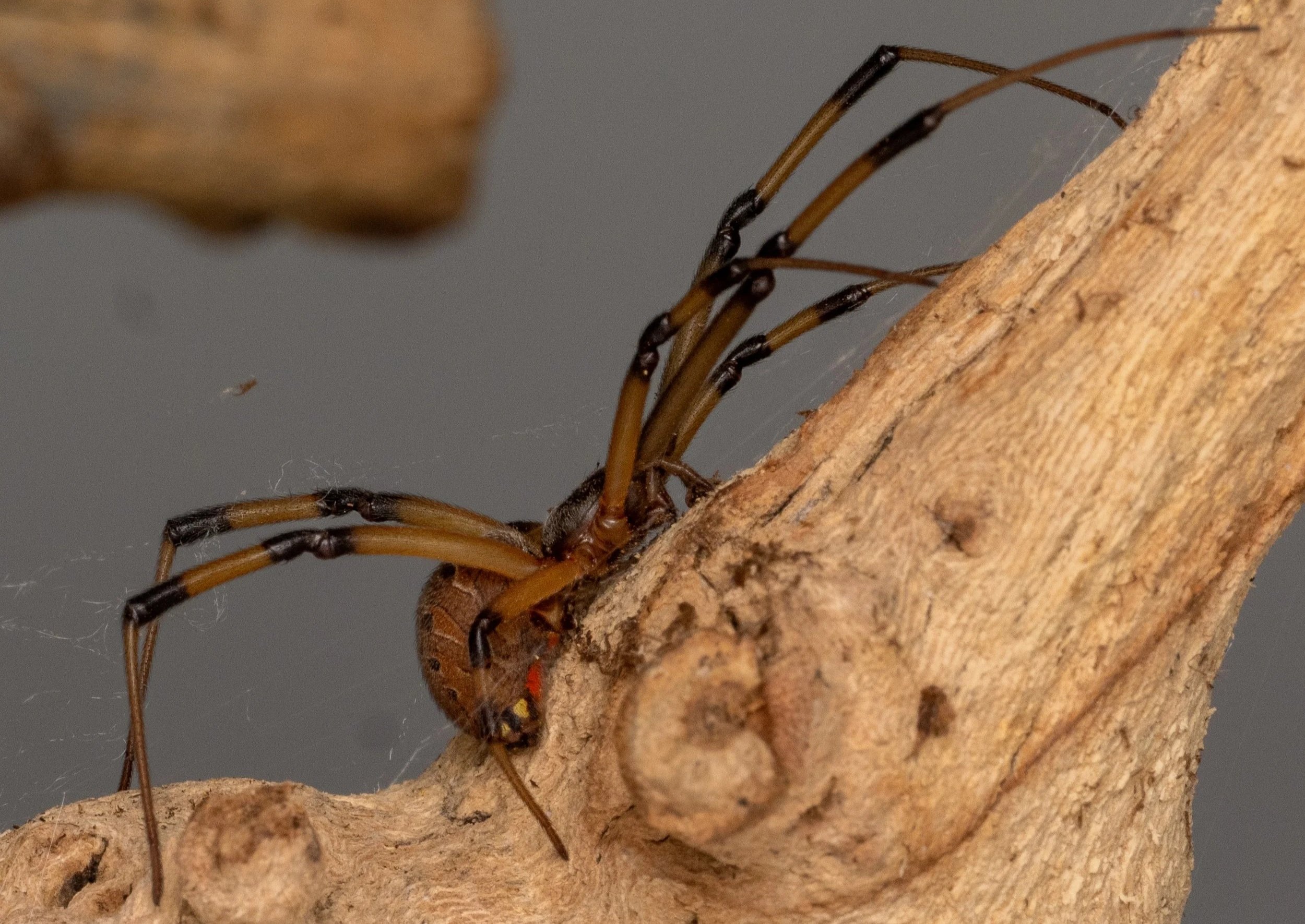
Latrodectus geometricus - Brown Widow
Why So Many People Still Fear Spiders
A lot of people do not just dislike spiders. They react to them immediately and emotionally. Sometimes that fear is learned, but a growing body of psychological research suggests that spiders also trigger unusually strong patterns of attention and fear in many humans. Recent work continues to describe spiders as some of the animals that evoke the highest levels of fear and disgust, likely because of a mix of evolved sensitivity and cultural reinforcement.
So when someone sees a spider in the shower and instantly looses their mind, that reaction is not coming out of nowhere.
It may be part of some ancient pattern recognition.
Part of it is culture.
Part of it is that spiders move differently, look unfamiliar, and show up in the exact places we expect to feel secure because we are usually at our most vulnerable.
The Relationship Was Probably Always Mixed
Spiders reduce pest numbers. At the same time, their presence can trigger fear, and some species are very venemous and can pose real risk. So even if they were beneficial in certain ways, that does not mean ancient humans would have felt warm and fuzzy about them. They propably weren’t indifferent either.
And that duality still exists today.
We like fewer flies, fewer gnats, and fewer mosquitos around the house.
But the second a spider crawls across the wall above the couch, suddenly everybody forgets the ecosystem services and starts reaching for the shoe.
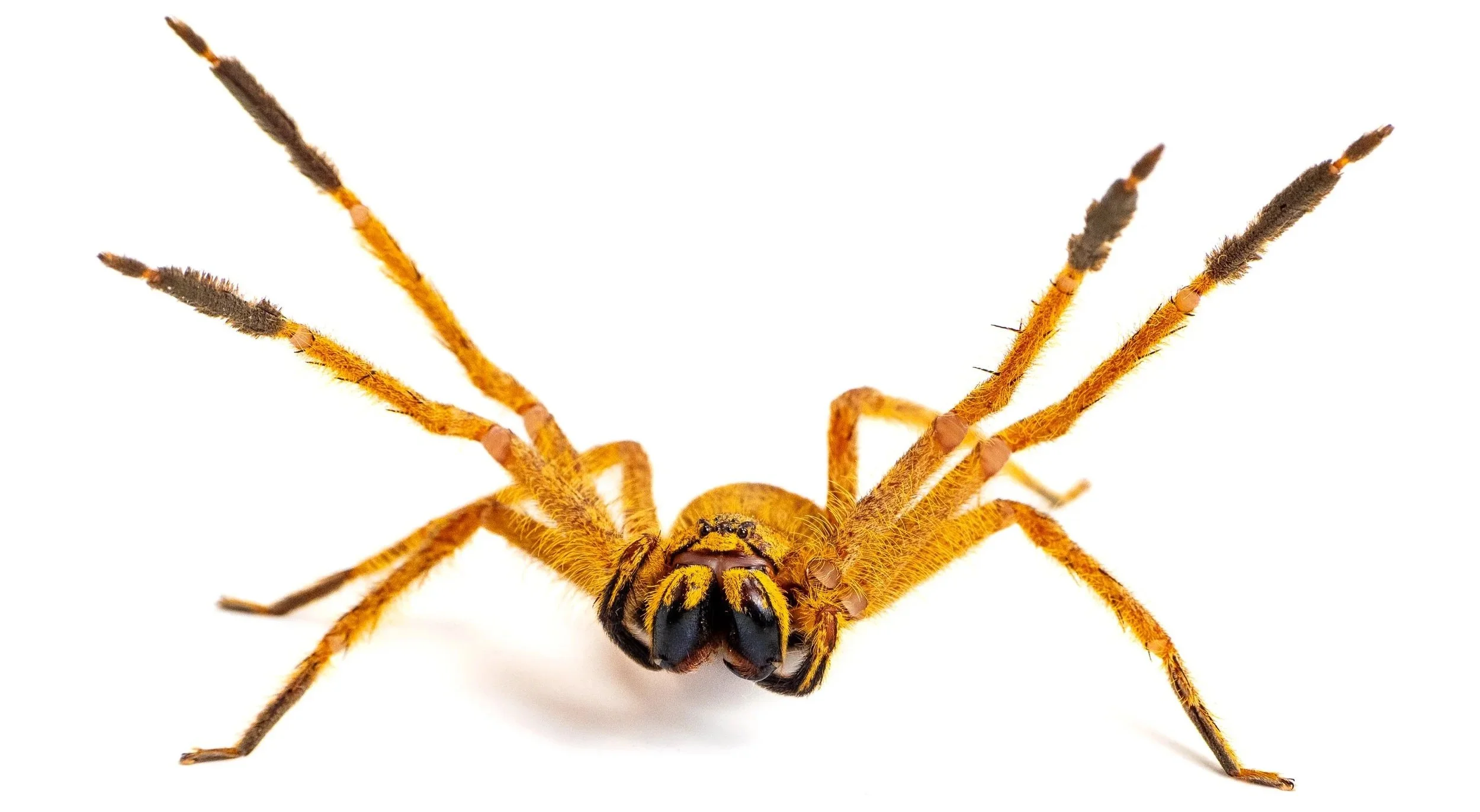
Heteropoda davidbowie - David Bowie Huntsman Spider
Our Homes Are Basically Artificial Caves
We may not live in caves anymore, but our houses still function in some very similar ways from the perspective of a spider. They offer shelter, relatively stable temperatures, protection from weather, structural hiding spots, and often a decent food supply in the form of insects attracted to lights, moisture, or clutter. That means our basements, garages, attics, crawlspaces, sheds, and even bathrooms are not just random places spiders sometimes wander into.
They are functional habitat.
We built structures that accidentally recreate the conditions a lot of spiders prefer and can use. So from the spider’s perspective, this arrangement, them living in our homes, makes perfect sense.
Our Roommates Aren’t Leaving
At the end of the day, humans and spiders are stuck in one of the longest, weirdest co-living arrangements on earth.
From caves and rock shelters to finished basements and suburban garages, we keep building protected spaces, and spiders keep finding ways to use them. That is not some freak accident of modern life. It is the continuation of a relationship that stretches back far beyond recorded history.
Sometimes spiders help by taking out smaller pests.
Sometimes they freak us out for absolutely no good reason.
But they are not going anywhere.
And honestly, they have been paying rent longer than we have anyways.
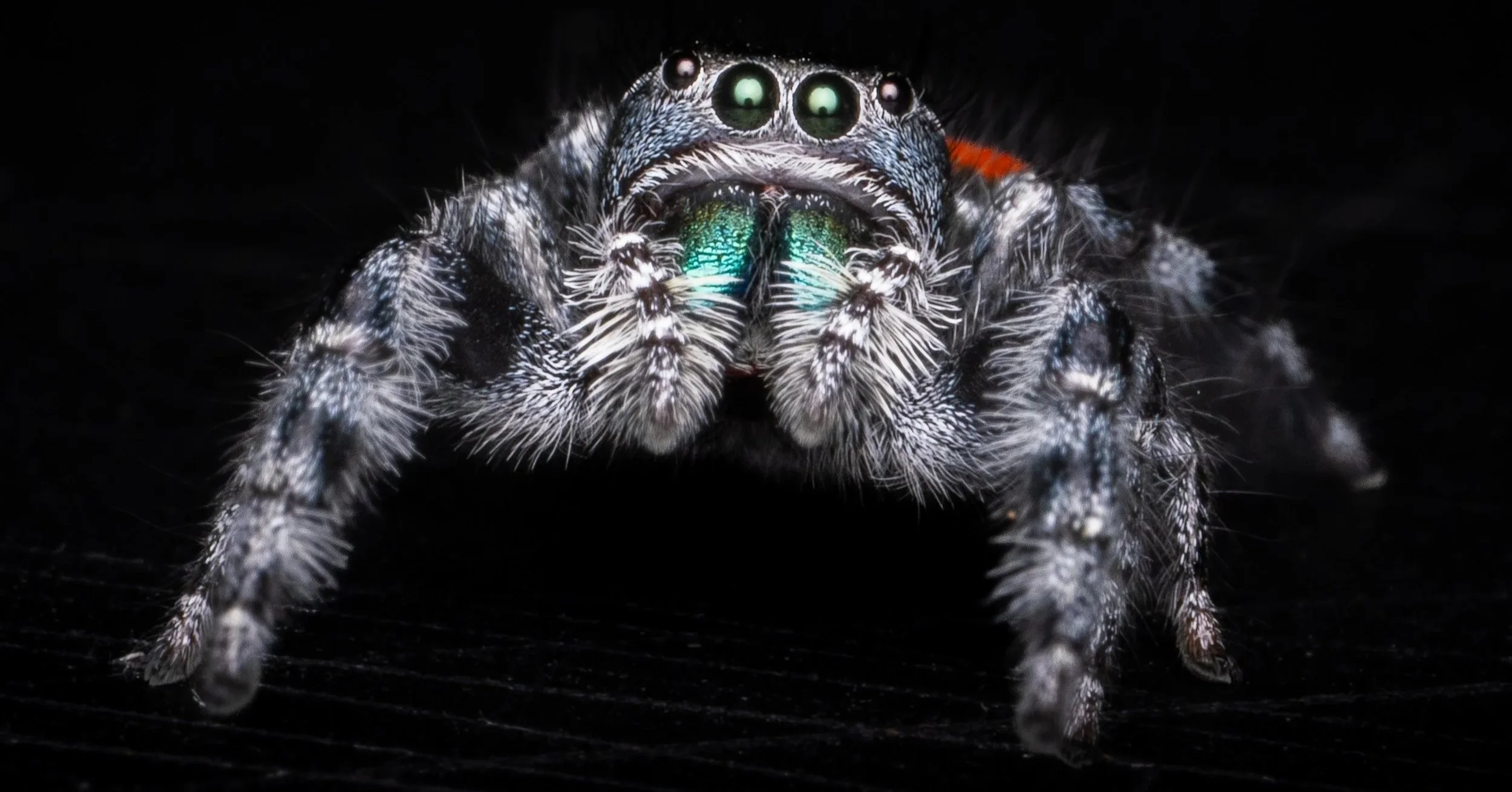
Phidippus carnesu - Red-backed Jumping Spider
Enjoying the free stuff?
If this article taught you something, answered a question, or stopped you from making a terrible enclosure decision, you can support Tarantula Collective here. Donations help fund videos, fieldwork, care guides, photography, and all the work that goes into keeping this site useful and ad-free.
Sources
LoBue, V. (2010). And along came a spider: An attentional bias for the detection of spiders in young children and adults.Journal of Experimental Child Psychology.
Cardoso, P. et al. (2025). Ecosystem services provided by spiders. This review discusses spiders as abundant terrestrial predators that provide important ecosystem services, including insect control.
Szinetár, C. et al. (2020). Synanthropic spider fauna of the Carpathian Basin in the last decades. Review of spiders associated with human structures and buildings.
Landová, E. et al. (2023). Research discussing strong fear and disgust responses toward spiders in humans.
