
Tarantulas and Temperature: The Winter Myth That Gets Spiders Killed
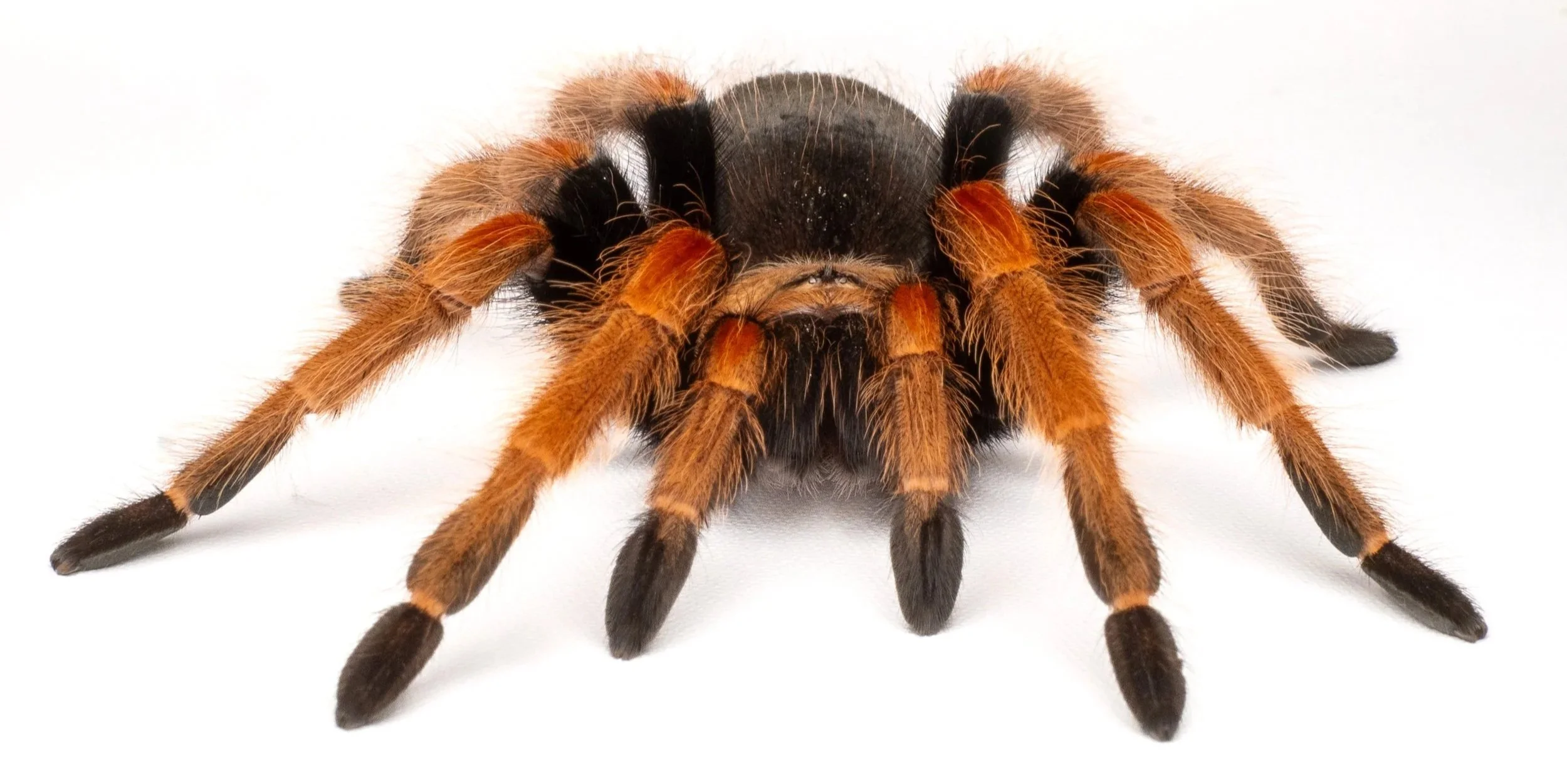
Brachypelma boehmei - Mexican Fireleg Tarantula
Temperature might be the second most misunderstood topic in the tarantula hobby, right behind humidity.
Every winter I get the same messages.
“My house hit 67 degrees. Is that too cold?”
“Do I need a heat lamp?”
“My tarantula isn’t moving much. Is it freezing?”
First off, relax.
Your tarantula is not sitting there shivering and judging your thermostat. And second, most of the panic around temperature comes from thinking about what feels cold to us, not what actually matters to spiders.
Just like humidity, temperature gets turned into a numbers game. That sends beginners into a panic, and then they do the one thing that actually causes a lot of winter problems in captivity: they overheat the enclosure and dry the spider out.
So the better question is not “How do I keep this tarantula at exactly 78 degrees?” The better question is, “What temperature range is actually safe, and what methods create more risk than they solve?”
The Problem With Temperature Numbers
A lot of care guides make temperature sound like a magic spell.
Keep them at 78 to 82 degrees.
Never let them go below 72.
Don’t let the room drop under 70.
That all sounds very precise, but tarantulas do not live in climate-controlled boxes in nature. They live in burrows, leaf litter, soil, rotting logs, bark crevices, and tree hollows. Those microhabitats have their own temperatures, humidity levels, and airflow patterns that can differ quite a bit from the surrounding air.
And we do not have to guess entirely about how tarantulas respond to temperature. In a study on Grammostola vachoni, researchers gave tarantulas access to a broad thermal gradient and found that the spiders did not select one rigid “perfect” temperature. Most of the time they chose warmer zones around roughly 77 to 84°F, but they also voluntarily used cooler areas in the mid-50s to mid-60s°F range. That is a big deal, because it shows they naturally operate within a range, not a single magic number.
That is what microhabitat choice looks like.
A tarantula does not need your house or enclosure locked to one exact number all day. What they need is a safe range and the ability to use different parts of their environment the way they naturally would.
How Cold Is Actually Dangerous?
This is the part that usually surprises people.
In that same Grammostola vachoni study, researchers also measured the spiders’ critical thermal minimum, the point where movement and nervous system function begin to fail. That threshold was around 41 to 42°F.
Older work on a desert theraphosid, Dugesiella echina, found a similar pattern. Lower lethal temperatures were reported around 37 to 39°F, and loss of coordinated movement occurred around 41 to 43°F.
That means a tarantula does not start running into true cold-failure territory at 70 degrees.
Not at 67.
Not even at 55.
The danger zone is much lower than most hobby panic would have you believe.
That does not mean colder is better, or that you should let your tarantulas sit in a freezing room all winter. Warmer temperatures generally support smoother movement, faster digestion, and higher activity in ectotherms. But a room dipping into the high 60s is not the same thing as a life-threatening cold emergency.
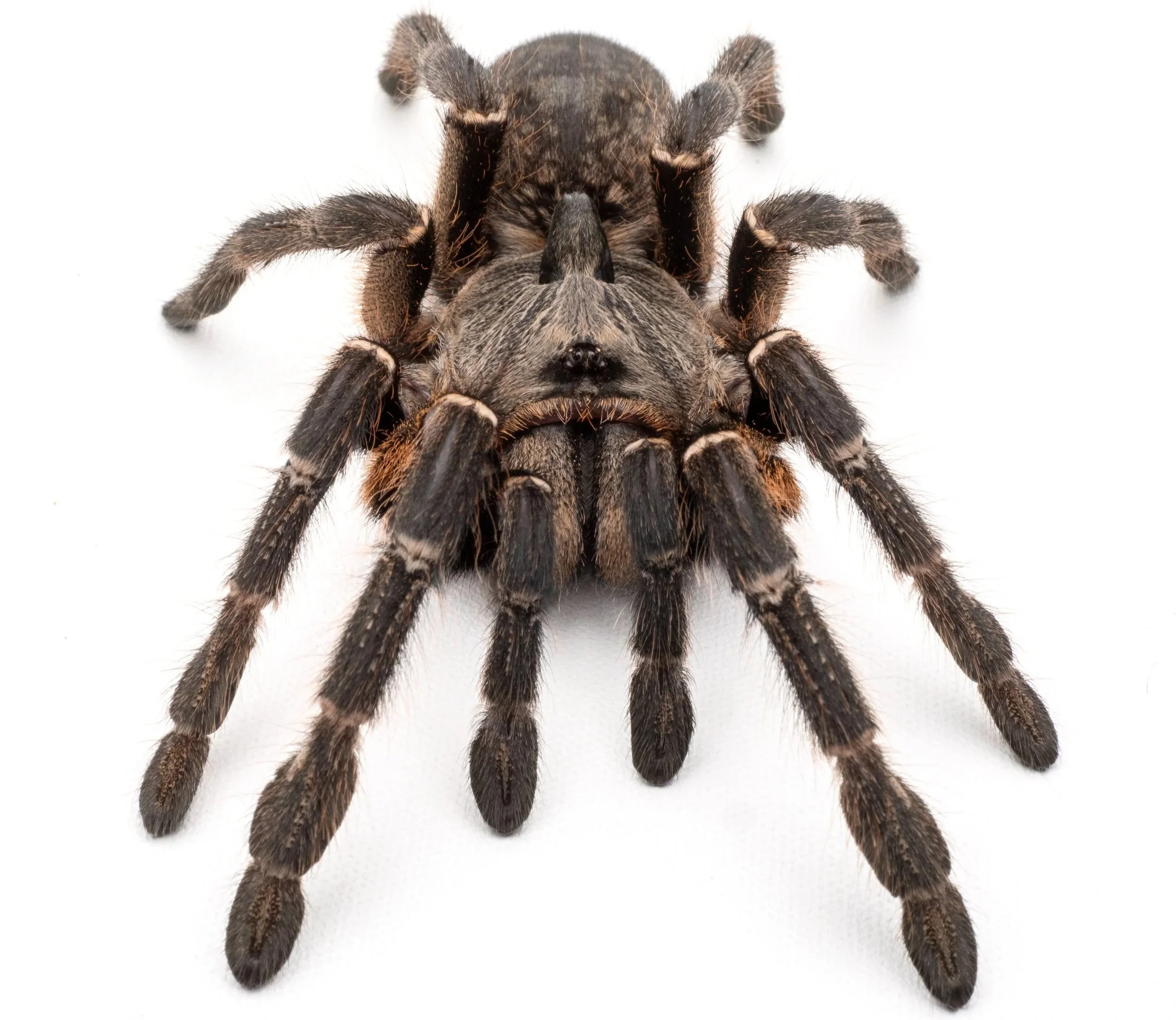
Ceratogyrus darlingi - Rear Horned Baboon Tarantula
Why Heat Lamps and Heating Pads Backfire
This is where people get themselves into trouble.
In the wild, tarantulas respond to temperature by moving into better microhabitats. If a terrestrial species gets too warm, they can dig deeper into cooler soil. If an arboreal species wants to cool off, they can move into shade, airflow, or a different part of the tree.
Now put that instinct inside a glass or acrylic box.
If you heat the bottom of the enclosure, the deeper the tarantula digs, the hotter it gets.
If you heat the top aggressively, climbing higher brings them closer to the heat source.
If you dry out the enclosure with direct heat, the spider may still sit near that warmth because the warmth feels metabolically useful, even while the environment is steadily stripping moisture away.
That is the trap.
The spider is following instincts that normally work in nature. We just turned those escape routes into hazards.
Your script puts this really well: winter problems are often blamed on cold, but what actually kills tarantulas is often overheating, dehydration, and bad molts caused by dry captive conditions. That husbandry warning is also consistent with common expert guidance against direct enclosure heating, especially heat lamps, because they can create dangerous hot spots and rapidly dry the enclosure.
Heat the Air, Not the Spider
If you want one simple rule to remember, this is it:
Heat the air, not the spider.
When you warm the room, the temperature around the enclosure rises gradually and more evenly. Humidity is easier to manage. The spider can still choose cooler or slightly warmer parts of the enclosure. The whole setup remains more stable.
When you heat the enclosure directly, especially with uncontrolled or poorly placed heat sources, you create hot spots, dry zones, and artificial traps the tarantula cannot navigate the way it would in nature.
That is why warming the room is safer than blasting a single tank with heat.
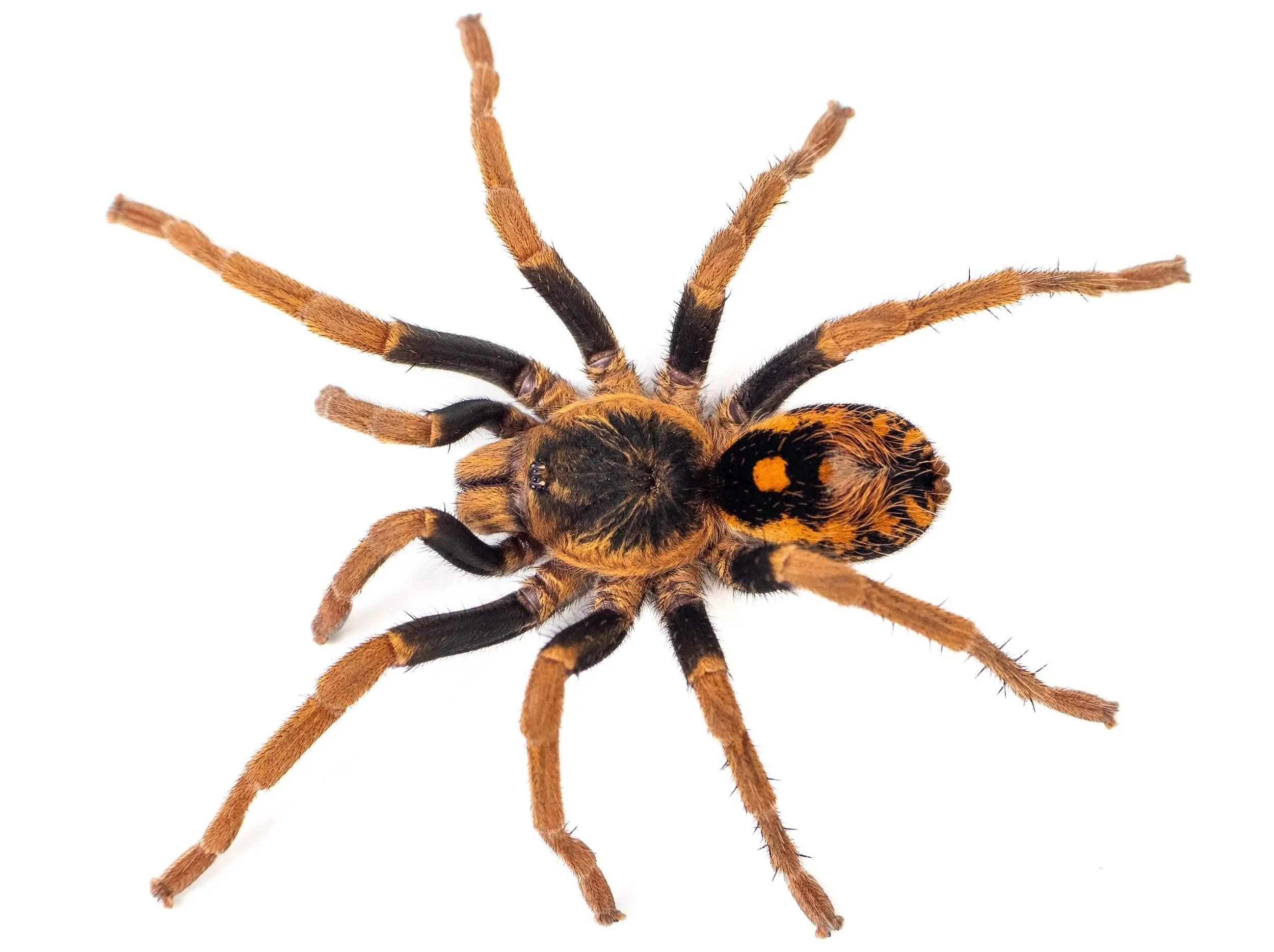
Hapalopus guerreroi - Speckle Patch Tarantula
A Smarter Way to Handle Winter Temperatures
For most species, if your tarantula room stays in the high 60s to low 70s, you are usually fine. The spider may slow down, move less, and eat less. That is normal. Cooler temperatures slow metabolism in ectotherms.
If the room gets colder than that, there are better options than heat lamps.
A small space heater controlled by a thermostat is much safer for a room or spider area than direct heating on individual enclosures. Moving enclosures to a naturally warmer part of the house can also help. Shelving or cabinets can trap warmth more effectively than open racks, especially for larger collections.
For keepers with a lot of tarantulas, warming a shelving unit or cabinet so the air inside stays stable is often more practical and safer than trying to heat each enclosure individually.
Heat pads are the one thing I would still treat carefully. If somebody chooses to use one, your script’s guidance is the right way to frame it: side or back mounted only, and always on a thermostat. Never under the enclosure. Ever.
Why Warmth Can Be Misleading
One of the smartest parts of your script is the explanation of why a tarantula may sit under a heat source even when that setup is dangerous.
Tarantulas are ectotherms. Their body temperature, metabolism, digestion, movement, and general activity level are all influenced by the environment around them. Warmer conditions can make them more active and physiologically responsive, so it makes sense that they may be drawn to warmth.
But warm does not automatically mean safe.
A heat lamp or poorly placed heat source can create a zone that feels good in the short term while also drying out the air and substrate. In a natural setting, warmth usually comes with humidity gradients, deeper cooler soil, airflow, and escape options. In a captive enclosure, that same warm spot might just be a dry trap with nowhere else to go.
That is why a tarantula sitting under a heat source is not proof that the setup is good. It may just mean the animal is choosing the least bad option available.
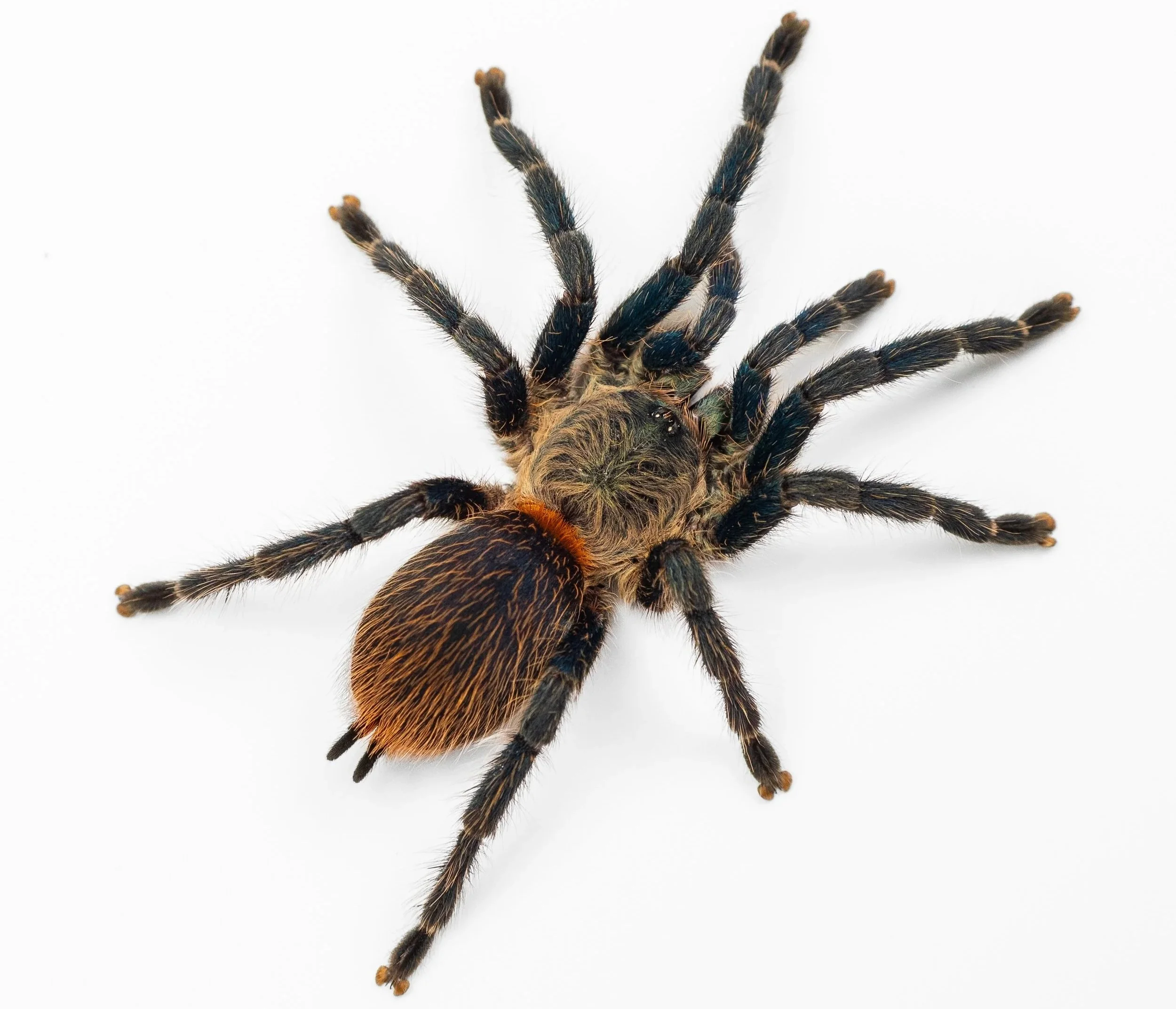
Dolichothele diamantinensis - Brazilian Blue Dwarf Beauty Tarantula
Don’t Forget About Winter Dryness
Winter is not just about cold.
Indoor air usually gets much drier in winter because of household heating. Even if you never add a lamp or heat pad, the ambient air in your home may already be drying out the enclosure faster than usual. Add direct heat on top of that and you speed up evaporation even more.
That is why a tarantula kept at 65 to 68°F with appropriate hydration and humidity is often in a much better place than one being baked at 80°F in a dry enclosure. Your script makes that point clearly, and it is exactly the kind of distinction beginners need to hear.
Warm air with stable husbandry can be helpful.
Hot surfaces and dry air are where things start going wrong.
Power Outages Matter More Than Most People Plan For
Winter also means outages.
And honestly, a basic emergency plan will protect your tarantulas more than a heat lamp ever will.
Having a few shipping heat packs, spare paper towels, plastic totes, and a plan for where the animals could go if the heat goes out gives you a real safety net. That kind of preparation matters far more than panicking over a temporary dip into the high 60s.
If your winter setup depends entirely on one fragile piece of equipment and no backup plan, that is the thing worth fixing.
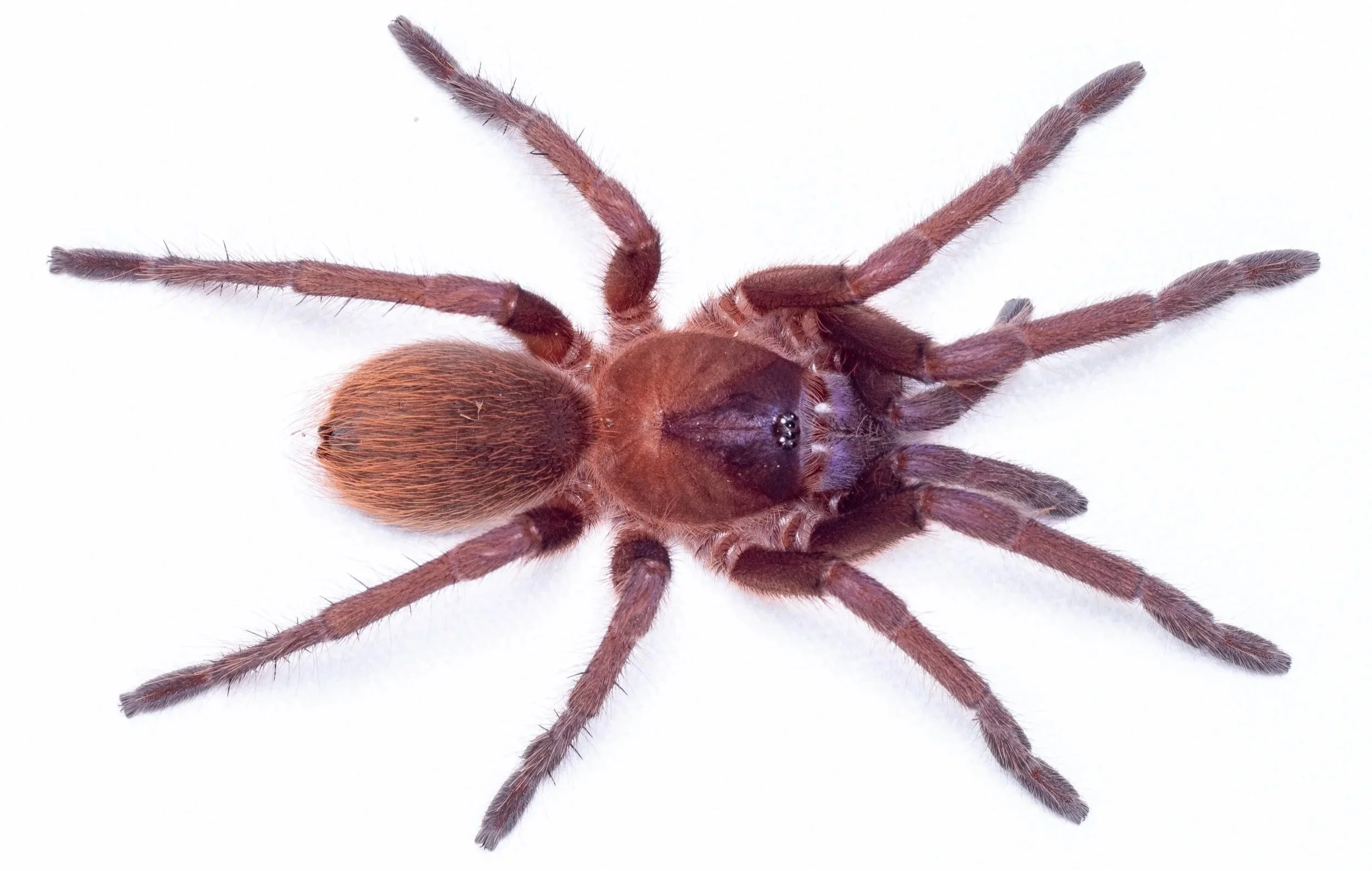
Citharacanthus cyaneus - Cuban Orange Violet Dwarf Tarantula
Final Thoughts
The winter myth that gets tarantulas killed is the idea that mild cold is automatically the enemy.
Usually, it is not.
Tarantulas can tolerate cooler temperatures far better than many beginners think. What causes trouble is when keepers panic, chase high numbers, and start cooking the enclosure with direct heat. Research on tarantula thermal preference and cold tolerance shows that these spiders can function across a broad range and do not hit real cold-failure territory until temperatures are much lower than the hobby usually panics over.
So the goal in winter is not to cook the spider.
The goal is to keep the surrounding air in a safe, stable range, protect them from drying out, and give them the hydration and environmental stability they need.
Once you understand that, winter care gets a whole lot less scary.
You are not fighting the cold.
You are avoiding the overreaction that actually creates the danger.
Enjoying the free stuff?
If this article taught you something, answered a question, or stopped you from making a terrible enclosure decision, you can support Tarantula Collective here. Donations help fund videos, fieldwork, care guides, photography, and all the work that goes into keeping this site useful and ad-free.
Sources
Schwerdt, L. V., de Villalobos, A. E., Pérez-Miles, F., & Ferretti, N. (2020). Thermal preferences and effects of temperature on fitness parameters of an endemic Argentinean tarantula (Grammostola vachoni).Canadian Journal of Zoology, 98(2), 134–141.
Punzo, F. (1991). Thermal tolerance in the desert tarantula Dugesiella echina.Bulletin of the British Arachnological Society, 8(9), 277–283.
General husbandry guidance warning against direct enclosure heating and heat lamps for tarantulas.
