
The Real Reason People Fear Spiders
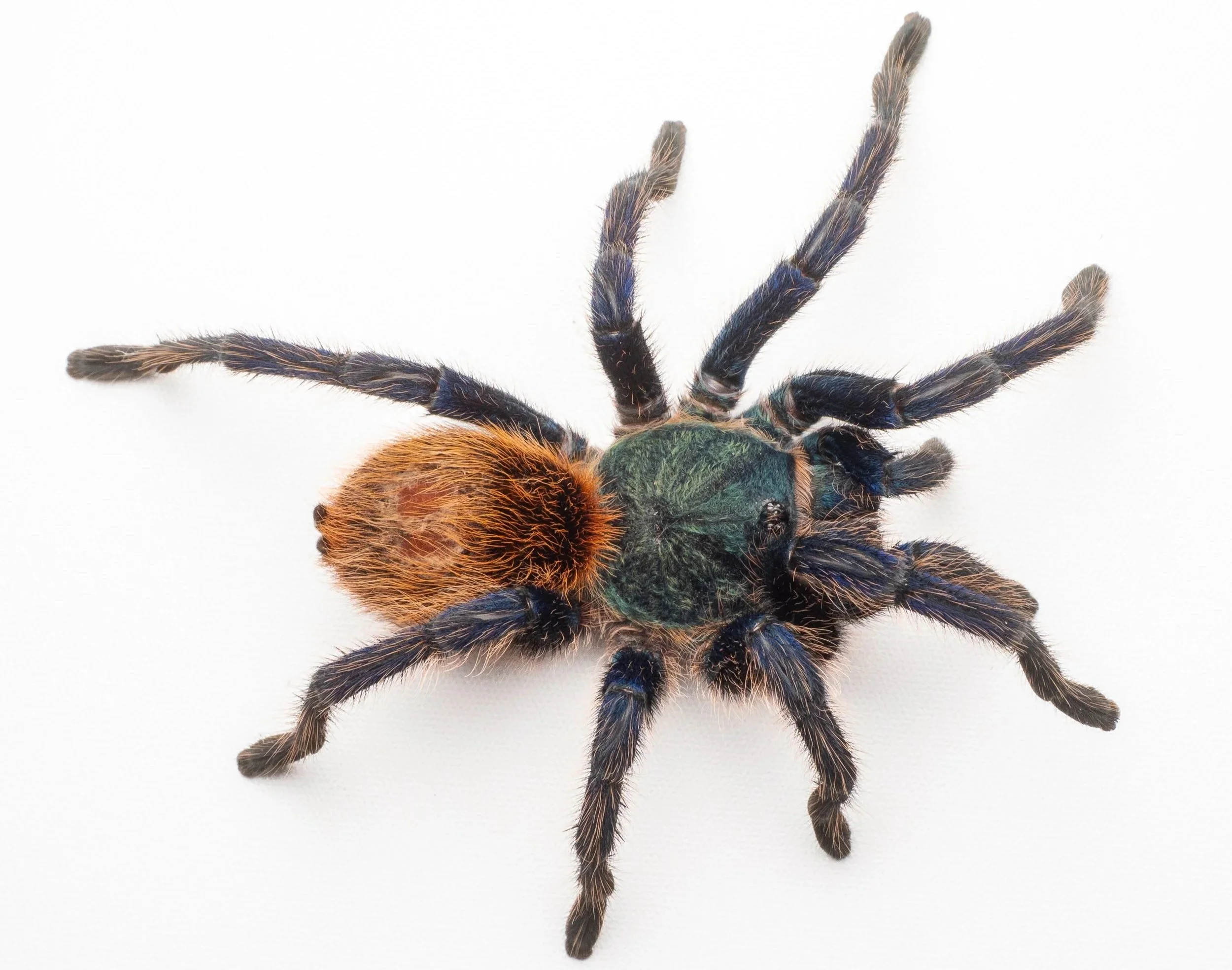
Chromatopelma cyaneopubescens - Green Bottle Blue Tarantula
Let’s talk about fear.
More specifically, let’s talk about why so many people are absolutely terrified of spiders, especially tarantulas, while staying completely calm around things that are statistically far more dangerous.
A lot of people are more afraid of a tarantula than they are of the drive to work. More people will panic over a spider on the wall than they will over checking their phone while walking through a crowded parking lot. If you compare the emotional reaction to the actual risk, the numbers do not line up.
And that is really what this comes down to.
Spider fear usually is not about danger in any rational sense. It is about perception. It is about how human brains are wired to notice certain things quickly, react before thinking, and then build stories around those reactions afterward. Research on risk perception has shown for decades that humans are not especially good at judging risk objectively. We tend to overreact to rare, dramatic, unfamiliar threats and underreact to common, familiar ones.
So if you have ever wondered why people treat tarantulas like tiny eight-legged murder machines while casually doing things every day that are far more dangerous, the answer is not really about spiders. It is about us.
Humans and Spiders Have Been Sharing Space for a Very Long Time
Humans and spiders have likely been living around each other for as long as humans have had shelter.
Long before buildings, people used caves, crevices, rock shelters, and other protected spaces to avoid weather and predators. Those same environments also happen to be perfect for spiders: dark corners, stable temperatures, structural cover, and plenty of insect prey. Later, when human shelter evolved from caves into huts, barns, homes, and cities, we kept recreating those same kinds of spaces. Basements, rafters, porches, garages, crawlspaces, window frames, sheds. Modern buildings still offer the kinds of microhabitats spiders are very good at using.
Even if spiders were not always one of the greatest threats to human survival, they were one of the animals most likely to appear in the same spaces where humans slept, stored food, or sheltered at night. Over time, quickly detecting small animals in shared spaces would have been useful, even if not every one of those animals posed a real danger. That helps explain why many people seem to notice spiders almost instantly, often before they have consciously processed what they are even looking at. That general idea is consistent with attentional-bias research showing that people detect spiders unusually quickly compared with more neutral objects.
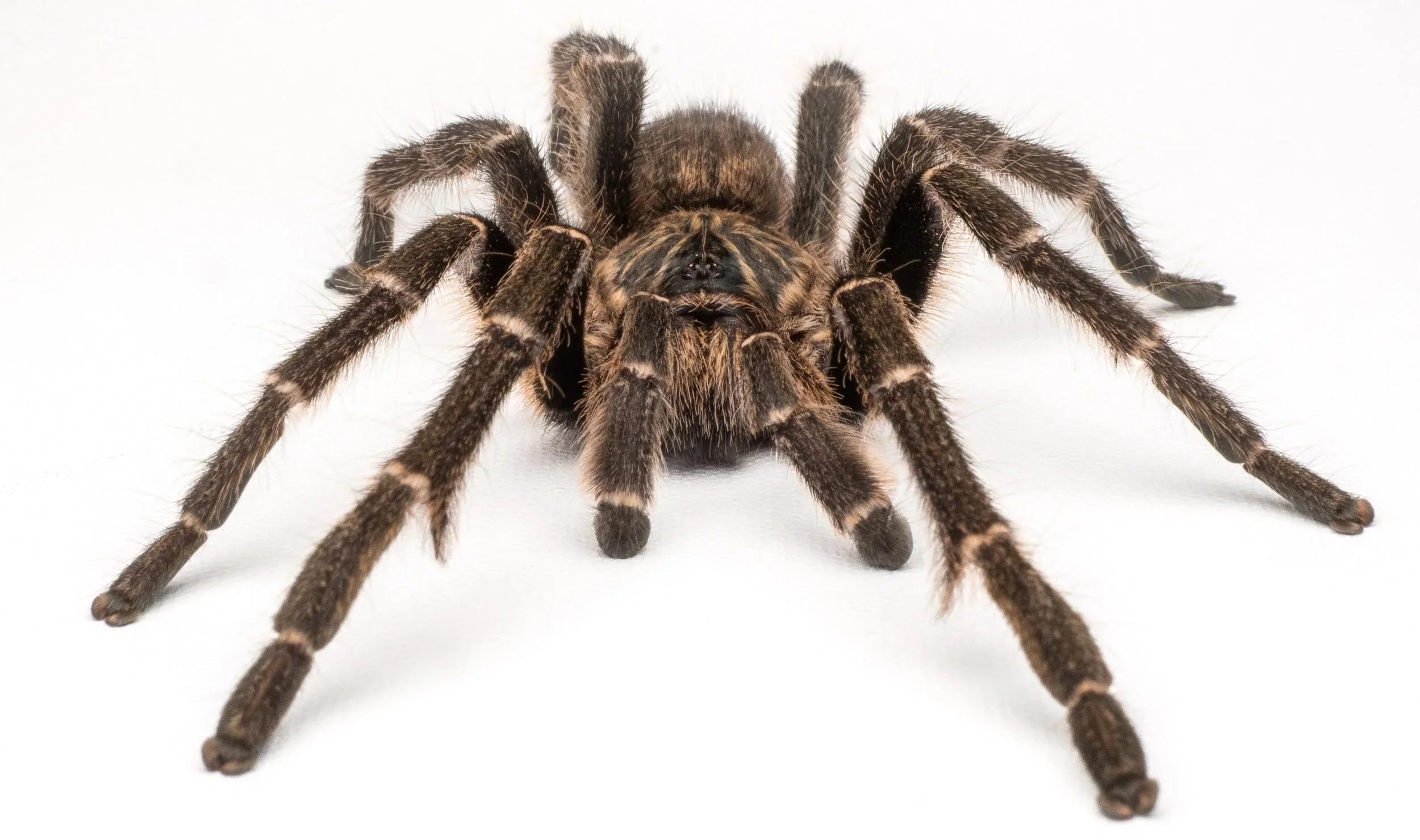
Ceratogyrus marshalli (male) - Straight Horned Baboon Tarantula
Humans Are Wired to Notice Spiders
One of the strongest pieces of evidence here comes from visual attention research.
In a 2010 study by Vanessa LoBue, both children and adults detected spiders faster than neutral comparison objects in visual search tasks. The study argued that this kind of rapid detection supports the idea of an evolved attentional bias toward spiders. In plain English, our brains seem primed to notice spider-like shapes quickly.
That does not necessarily mean spiders were among the deadliest things early humans faced. It means that quickly noticing certain kinds of small, potentially relevant animals may have been useful. And once that detection bias exists, fear can attach itself to it pretty easily.
This is important, because it suggests that for many people the reaction starts before conscious reasoning kicks in. They do not calmly assess a spider and conclude it is dangerous. They notice it, their body reacts, and only then does the conscious mind try to explain the fear. In other words, the fear often feels justified because the reaction came first.
Fear Is Not the Same Thing as Danger
Humans are not great at evaluating risk through statistics alone. We are much more likely to judge danger emotionally. Paul Slovic’s classic research on risk perception showed that people tend to fear hazards that feel unfamiliar, uncontrollable, dramatic, or especially vivid, even when the actual probability of harm is low. Meanwhile, risks that are familiar, routine, or woven into everyday life often feel safer than they really are.
Spiders check a lot of the boxes that make something feel dangerous.
They move in ways people find unpredictable. They do not look like us. They trigger disgust in some people and fear in others. They tend to appear suddenly, often in enclosed spaces. And because many people know very little about them, they are easy to lump into the category of “possible threat.”
So even when the actual risk is low, the emotional experience can still feel intense.
That is why fear and danger are not the same thing. Fear is a psychological response. Danger is an objective condition. Sometimes they overlap. A lot of the time, they do not.
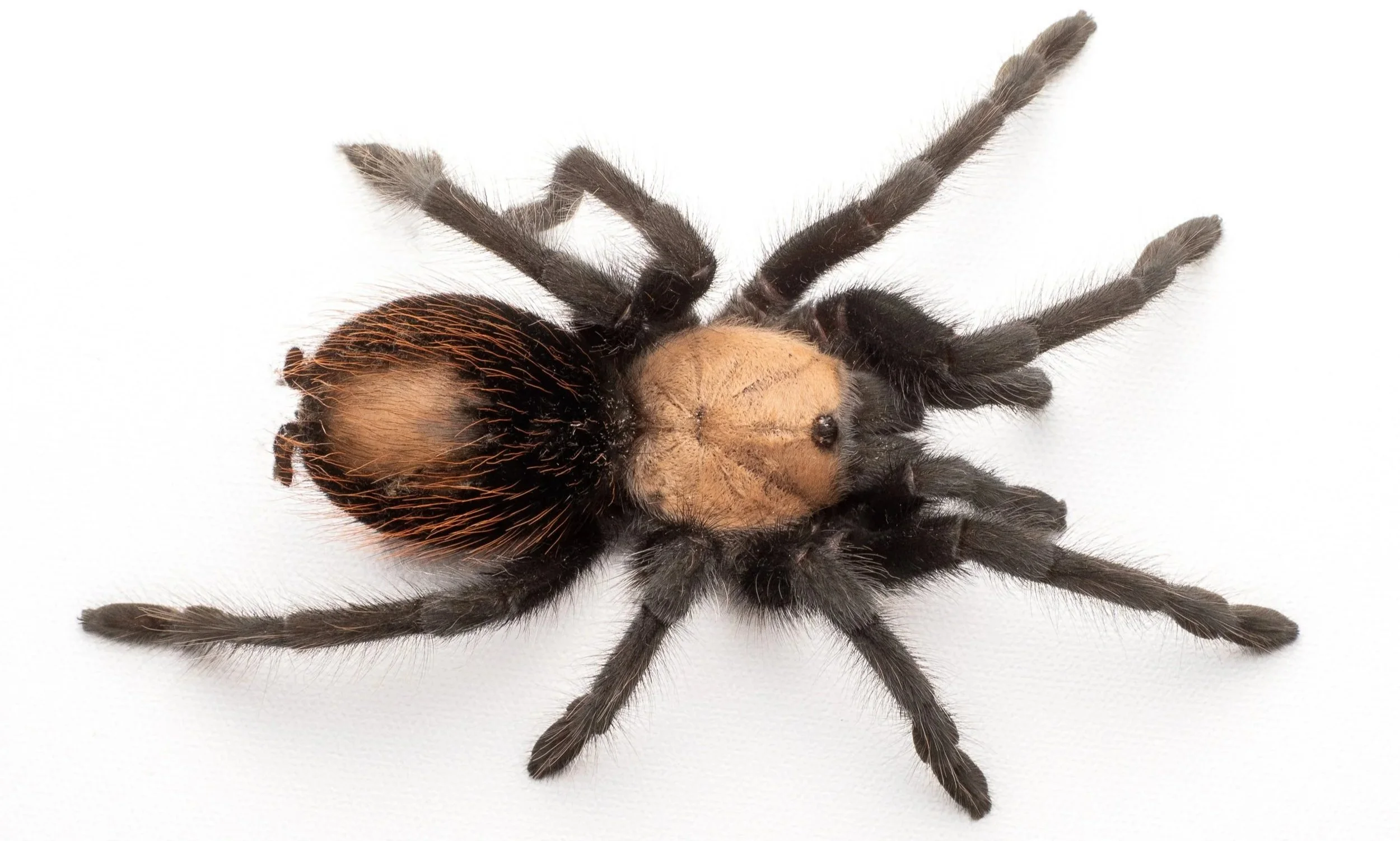
Brachypelma albiceps - Golden Red Rump Tarantula
Media Helped Turn Spiders Into Monsters
For generations, spiders and tarantulas have been used in movies, television, news stories, and advertising as visual shorthand for danger, horror, infestation, or panic. You do not need to have been bitten by a spider to fear one. You just need to grow up in a culture that keeps telling you spiders are something to scream about.
That kind of media framing matters more than people think. Research on spider-related news coverage has found widespread exaggeration and error. A large analysis of global spider news found that 47% of articles contained errors and 43% were sensationalized. The authors also found that sensationalism played a major role in how misinformation spread.
That lines up with what a lot of us have seen for years. Headlines about “deadly spider invasions” or “horrific spider bites” often turn out to be exaggerated, poorly sourced, or flat-out wrong. Stories about spider bites are especially messy because many supposed “spider bites” are never tied to an actual spider at all. Misdiagnosis has been a major issue for decades, especially with brown recluse bites. Rick Vetter’s work showed that brown recluse bites are often diagnosed in places where brown recluses are rare or absent, and often without any spider being seen or identified.
So even if someone has never had a bad experience with a spider, their perception may already be shaped by years of bad information, creepy movie scenes, and sensational headlines.
What the Actual Risk Looks Like
There are more than a thousand known tarantula species worldwide, and the vast majority are not animals that pose serious danger to people in ordinary circumstances. Most tarantulas are reclusive and defensive. They are much more likely to retreat, posture, kick hairs, or try to escape than to bite. When bites do happen, they are usually the result of handling, cornering, or accidental contact. Clinical references note that tarantula venom has not been shown to be fatal in humans.
That said, this is one place where nuance matters.
It would be sloppy to say tarantulas are completely harmless. New World tarantulas can cause problems with urticating hairs, especially if those hairs get into the eyes or respiratory tract. Some Old World tarantulas can deliver bites that cause significant pain, muscle cramping, and prolonged symptoms. Reviews of Old World bites describe many tarantula bites as generally considered harmless overall, but also document cases involving severe persistent muscle spasms and more serious systemic effects in some species.
So the honest version is this:
Tarantulas are usually far less dangerous than people imagine, but they are not plush toys. They are still venomous animals with defensive tools, and they deserve to be treated with respect. That distinction is important, because fear tends to flatten everything into extremes. Either people act like tarantulas are deadly monsters, or they swing too far the other direction and pretend there is no risk at all. The truth sits in the middle.
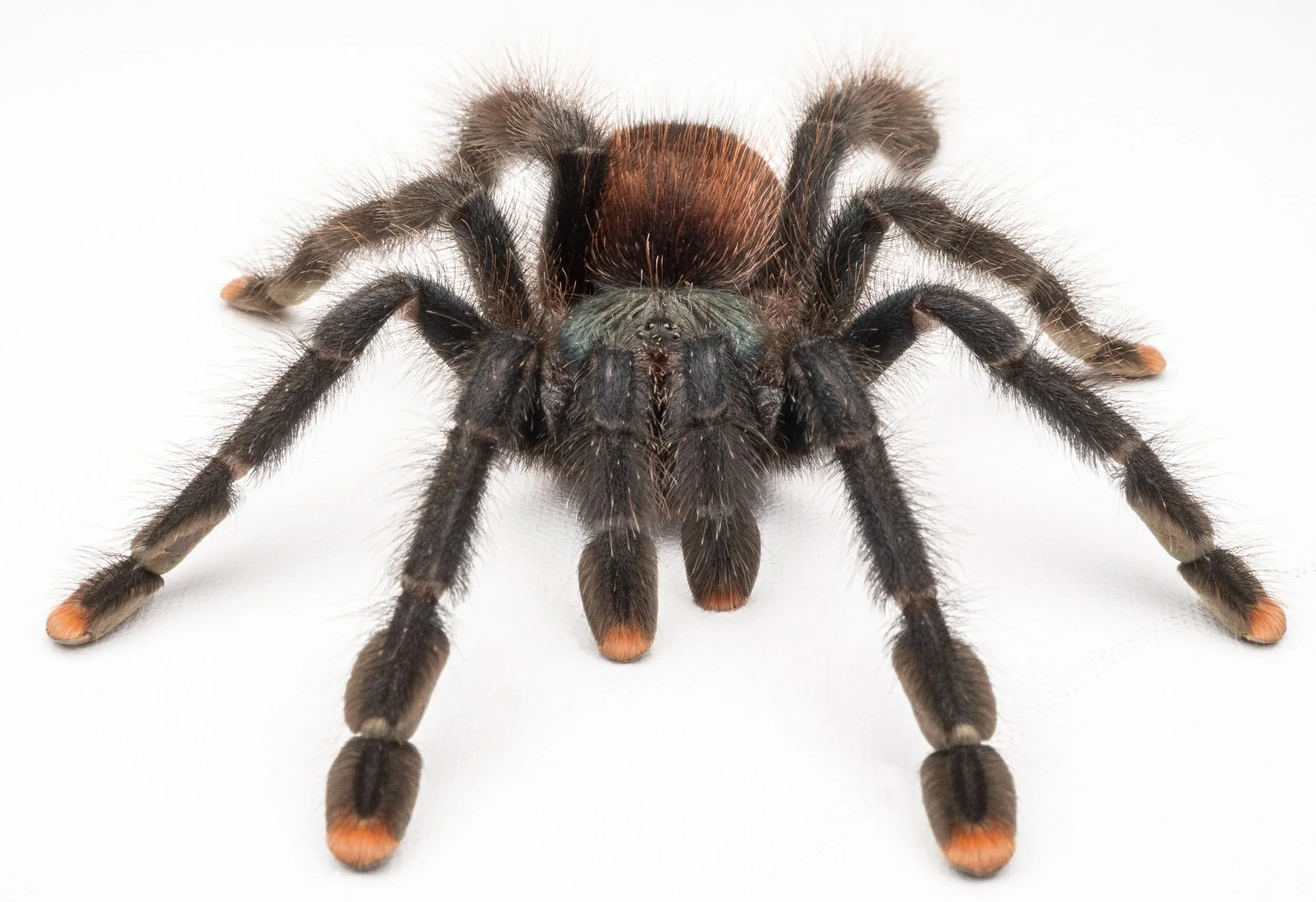
Avicularia avicularia - Guyana Pinktoe Tarantula
Why the Fear Still Feels So Real
Even when people learn that tarantulas are not especially dangerous, the fear often remains.
That is because fear is not only about facts. It is also about pattern recognition, body responses, and learned associations. If your brain has spent years linking spiders with threat, disgust, or danger, a single fact sheet is not always enough to overwrite that response. You can understand something intellectually and still feel your nervous system react before your rational mind catches up.
That is one reason exposure-based learning works so well. Gradual, repeated, non-harmful exposure can help retrain the brain’s response to feared stimuli. In other words, curiosity can slowly replace reflex. That general principle is central to modern fear treatment and fits well with the experience many spider keepers talk about: the more they observed spiders closely and learned what they were actually doing, the less monstrous they seemed.
This is one of the coolest parts of the whole conversation to me. People who go from fearing spiders to appreciating them are not just changing their opinion. They are rewiring a response that once felt automatic.
Turning Fear Into Fascination
Once you understand where spider fear comes from, it becomes easier to see it for what it is.
Part biology.
Part psychology.
Part culture.
Part bad media.
And once you see that, fear starts to lose some of its authority.
If you are someone who used to fear spiders and now finds them fascinating, that shift actually means something. You confronted an instinctive reaction, questioned it, and replaced it with understanding. That is not weird. That is growth.
A lot of people never do that. They keep the fear they were handed and never look at it closely enough to ask whether it makes sense. But once you start learning about spiders, watching how they behave, and seeing how exaggerated most of the fear really is, the whole thing starts to change. What once looked threatening starts to look specialized. What once looked creepy starts to look impressive. What once triggered panic starts to trigger curiosity.
And curiosity is powerful, because it gives the brain something better to do than panic.
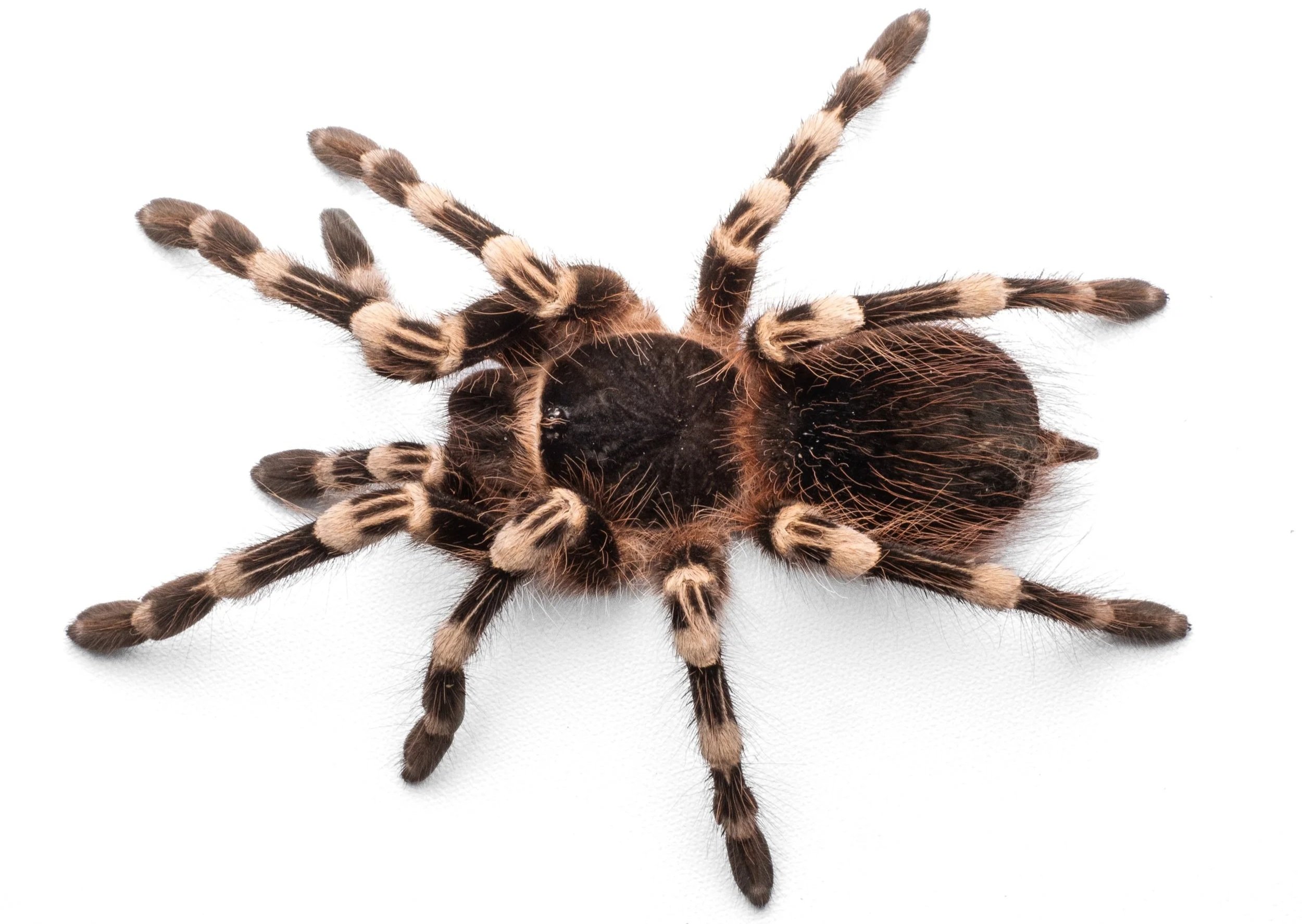
Acanthoscurria geniculata - Brazilian White Knee Tarantula
The Real Reason People Fear Spiders
So why are people more afraid of spiders than things that actually pose a much greater threat?
Because our brains are wired to notice them quickly.
Because humans are not very good at telling the difference between something that feels dangerous and something that actually is.
Because media and culture have spent generations turning spiders into symbols of horror.
And because once fear gets reinforced enough times, it starts to feel like common sense.
But fear is not fixed.
If you have turned that fear into curiosity, respect, or even fascination, that matters. You took an instinctive reaction and changed it. You did what humans are supposed to do when they learn something new. You updated the story.
And once you understand something, you do not react to it the same way anymore.
Support Tarantula Collective
If this article helped you, you can support Tarantula Collective here. Donations help fund videos, care guides, fieldwork, photography, and the ongoing work of keeping this content free and the website free of obnoxious ads.
Sources
LoBue, V. (2010). And along came a spider: An attentional bias for the detection of spiders in young children and adults. Journal of Experimental Child Psychology.
Slovic, P. (1987). Perception of Risk. Science.
Mammola, S. et al. (2022). The global spread of misinformation on spiders.
Vetter, R. S. (2000). Myth: idiopathic wounds are often due to brown recluse or other spider bites throughout the United States. Western Journal of Medicine.
Vetter, R. S. (2003). Diagnoses of brown recluse spider bites are overused for dermonecrotic wounds of uncertain etiology. Toxicon.
Kong, E. L. et al. (updated 2025). Tarantula Spider Toxicity. StatPearls.
Ahmed, N. et al. (2009). Muscle spasms following bites by Old World tarantula spiders. QJM.
Fuchs, J. et al. (2014). Verified Poecilotheria regalis bite review. Toxicon.
