
What Tarantulas Can Teach Us About Change This Spring
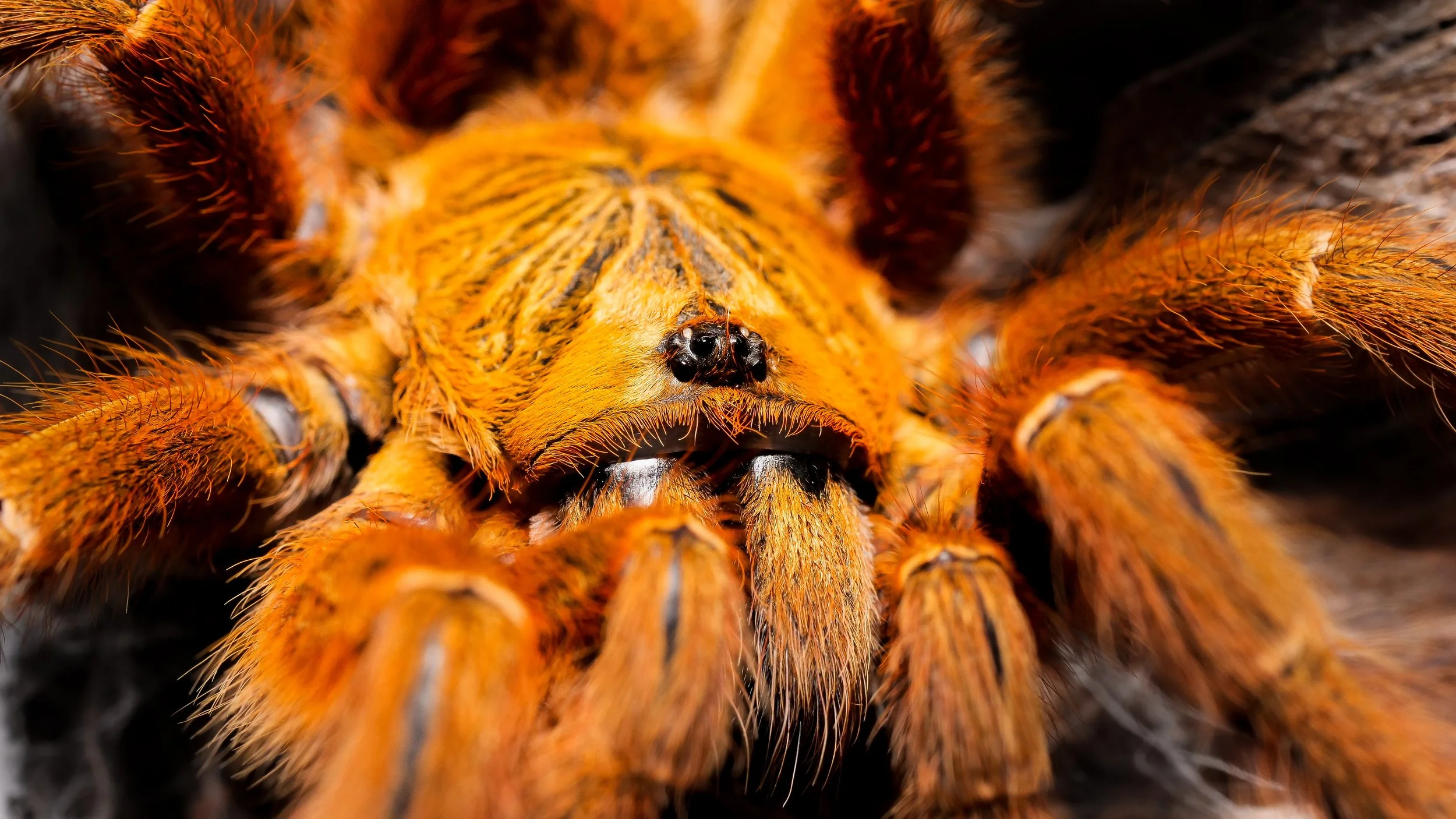
Spring is the season people usually associate with renewal.
Trees bud, flowers start poking up from the ground, and the world starts waking up again after months of being cold and gray. Tarantulas are probably not the first animals that come to mind when people think about fresh starts, but in their own strange and very literal way, they may embody that idea better than almost any other animal on the planet.
They grow by molting.
A tarantula cannot simply stretch into a larger version of the same body. Their exoskeleton does not grow with them. When they reach the point where that old body no longer fits, they have to pull themselves free from it and emerge in a new one. What makes the process really interesting is not just the molt itself. It is the discomfort that comes before it, the instinctive drive to go through with it, and the vulnerable stage that follows.
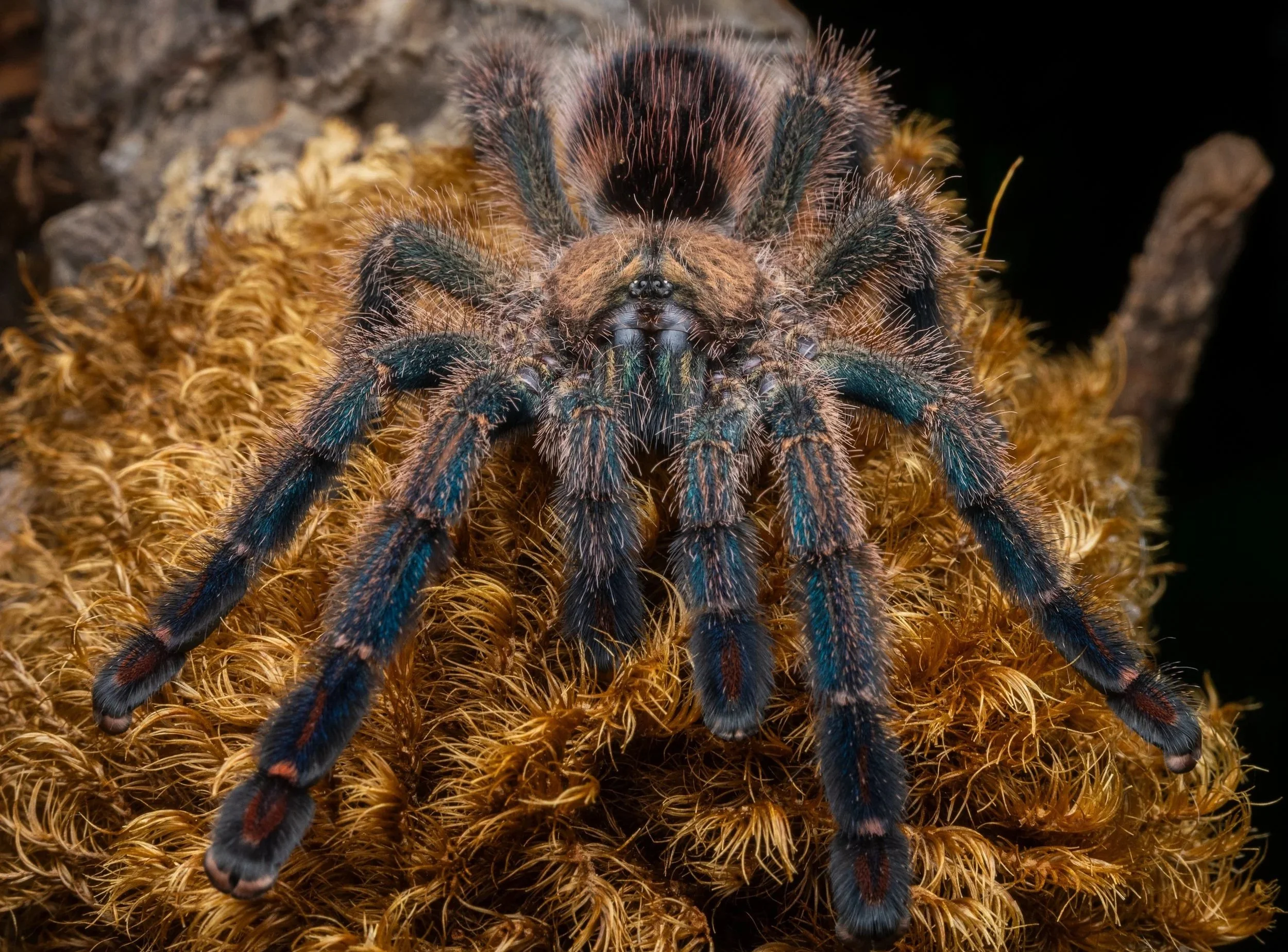
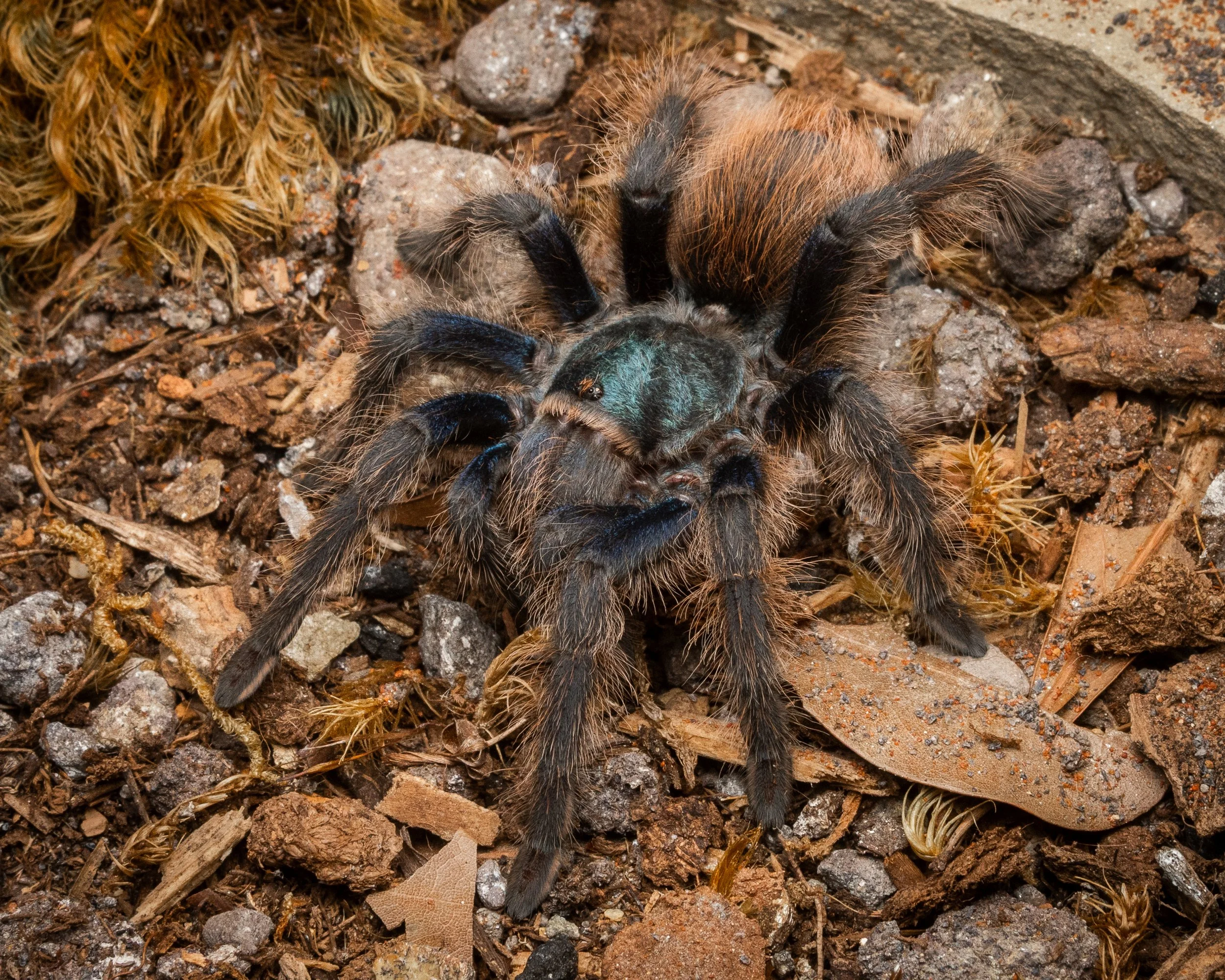
Ybyrapora diversipes - Amazon Sapphire Tarantula
When Change Starts to Build
During premolt, they often slow down, stop eating, hide more, and become less active overall. In some species, the abdomen darkens as the new exoskeleton forms beneath the old one. To us, that can look like a tarantula just sitting still and not doing anything of note, but something much more significant is happening.
Their old exoskeleton no longer fits. A new one is developing underneath, and the tarantula is caught in that awkward in-between stage, still trapped in the body they have outgrown, but not yet able to leave it behind. We cannot really know exactly what that feels like, but I think it’s pretty easy to imagine it as an increasingly uncomfortable state. Their behavior changes, their appetite disappears, and their world seems to narrow and shrink as the molt approaches.
Everything about premolt suggests an animal being pushed toward something necessary. They are not just resting. They are preparing for a process they cannot avoid if they want to keep growing.
The Need to Shed the Old
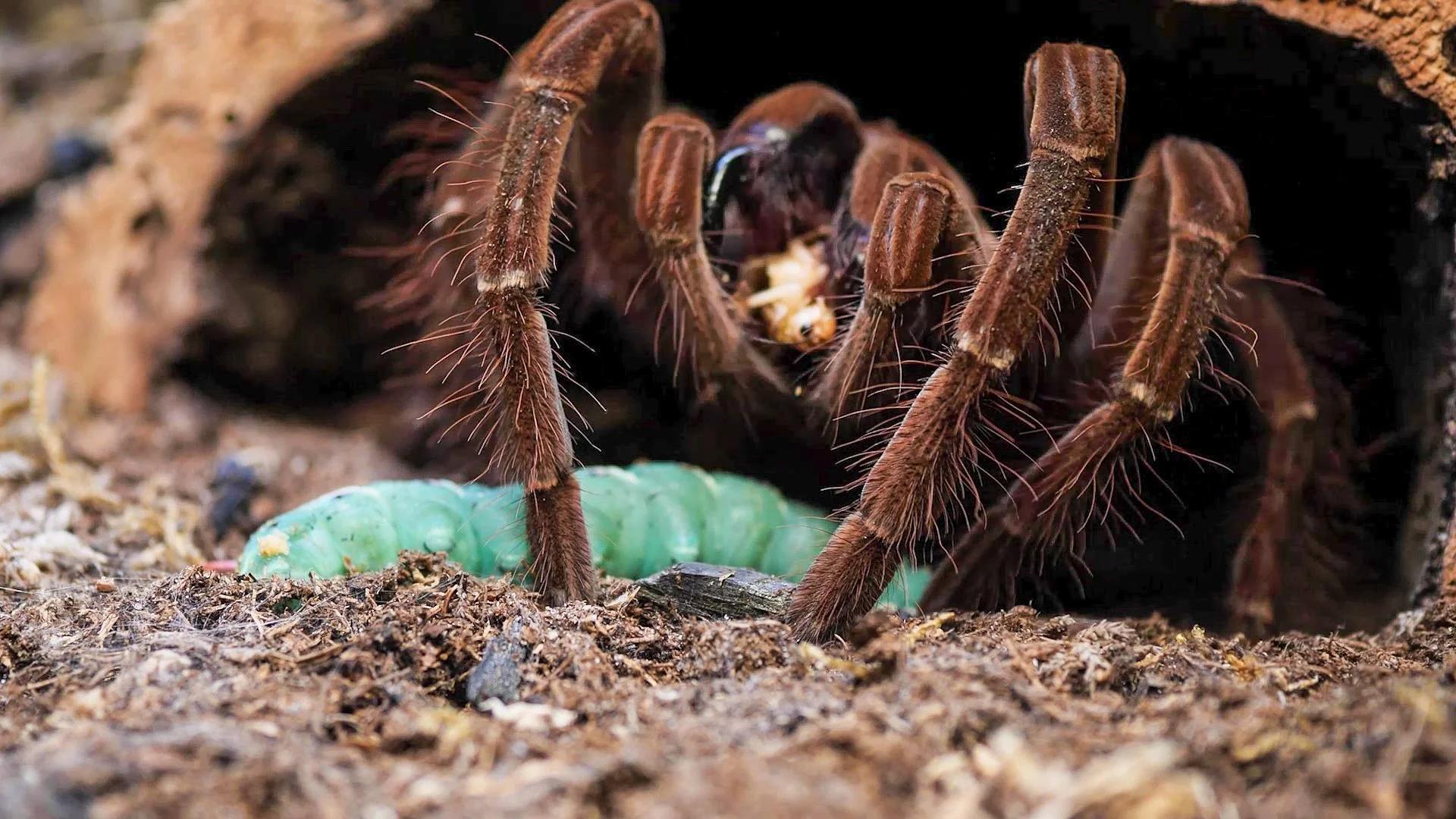
When the time comes, the tarantula rolls onto their back or side and begins the slow work of freeing themselves from the body they have outgrown.
If you have ever watched a tarantula molt, you know it can be intense to witness. They push, flex, and carefully pull each leg free from the old exoskeleton. It looks exhausting because it probably is, right?
What stands out to me is that the tarantula doesn’t seem to care and is driven to do it anyway.
Whatever instinct governs that process must be insanely powerful. The need to grow overrides the danger of being temporarily soft, exposed, and vulnerable. The tarantula does not wait until change feels safe or convenient. They molt because the old version of their body no longer works.
That is part of what makes the process so compelling. Growth in nature is not always smooth or inspiring. Sometimes it is uncomfortable, risky, and unavoidable.
New, But Not Ready
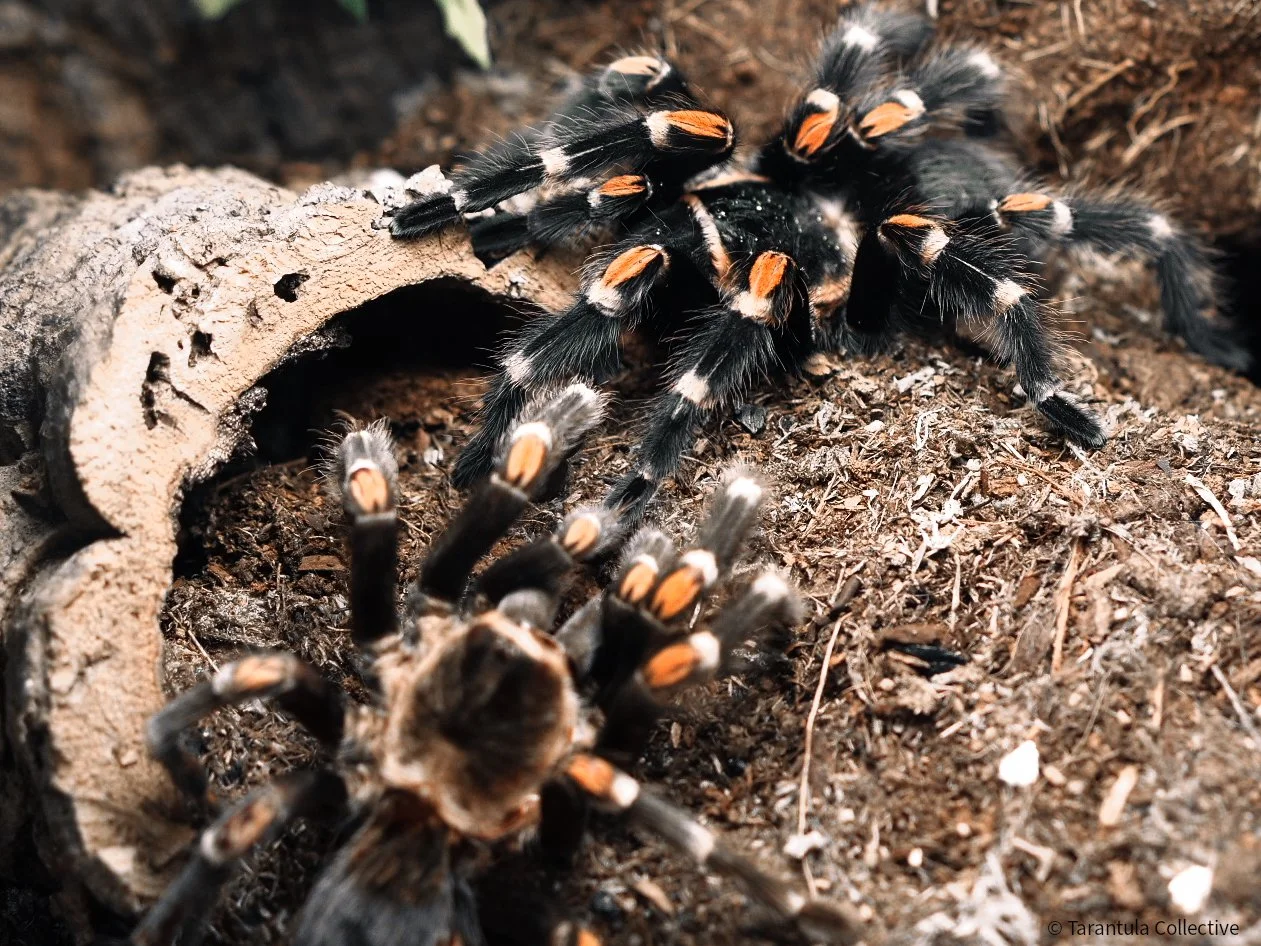
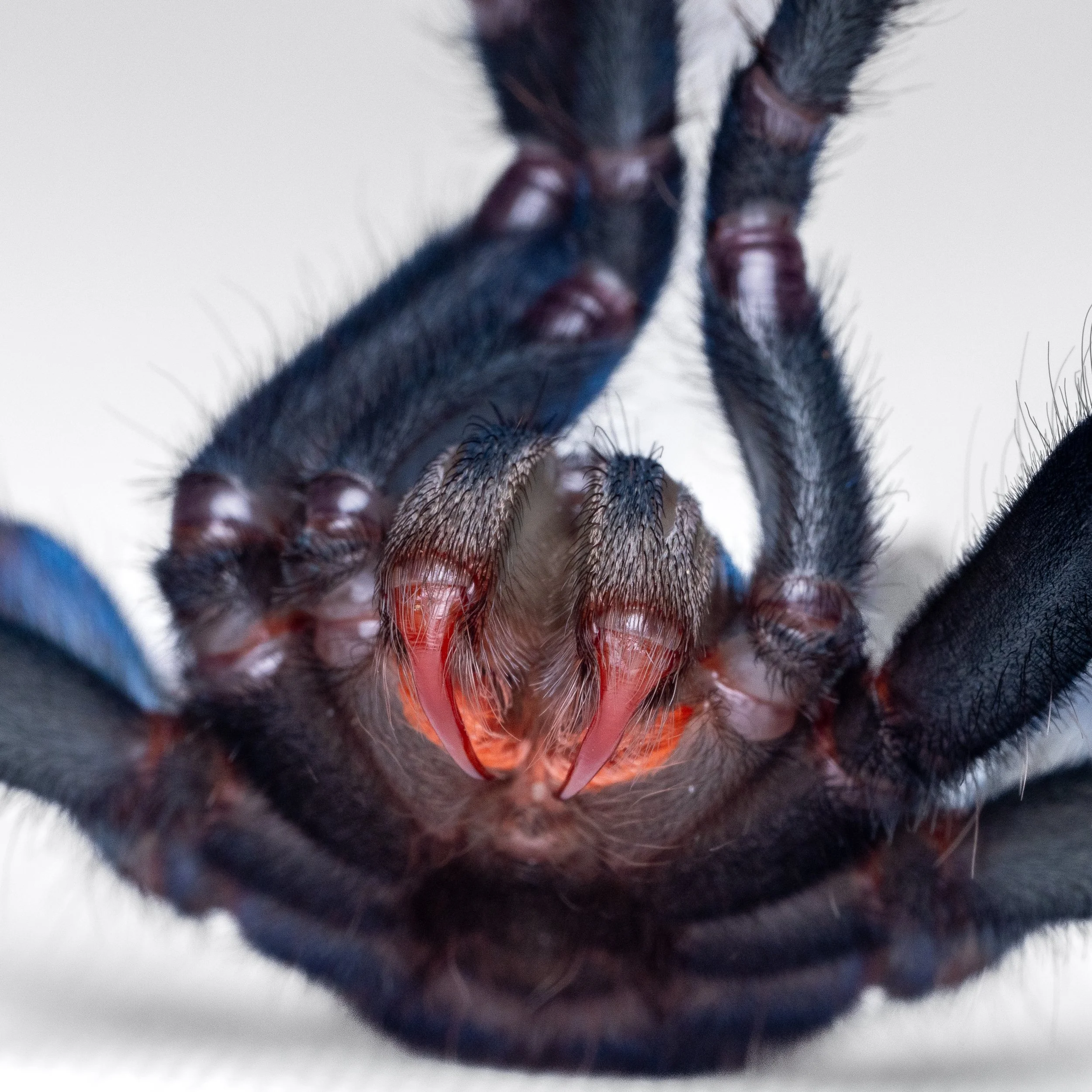
Their fresh exoskeleton is still soft and squishy. Their fangs are pale, almost translucent and very delicate. Even though their old, useless exoskeleton is gone, they are still in one of the most vulnerable stages of their life. They need time for that new body to harden before they can safely eat or fully return to normal activity.
That post-molt period matters just as much as the molt itself.
This is why experienced keepers know not to rush a freshly molted tarantula. They need stillness, patience, and time. Feeding too soon or disturbing them unnecessarily can create real problems during a stage when they are least able to handle stress.
There is something honest and real about that. Change may be visible in an instant, but strength does not always come with it right away. Sometimes growth is real before it feels solid.
Why This Fits Spring So Well
Spring is full of renewal and growth, but renewal in nature is not always neat. New growth is often delicate at first. Fresh leaves are tender. Seedlings are fragile. Early change usually needs time before it becomes strong.
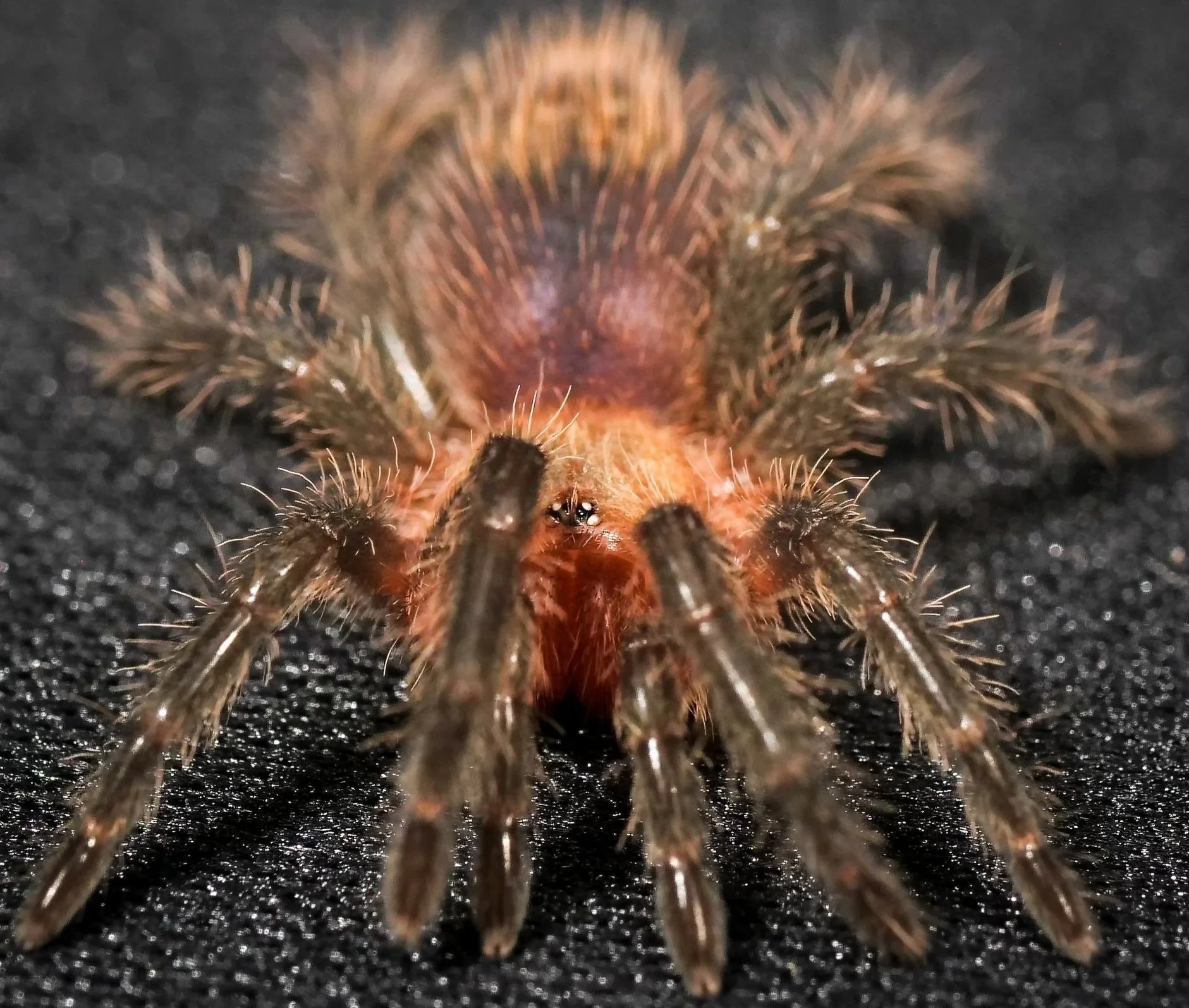
Homoeomma sp Blue Peru - Peruvian Blue Zebra spiderling freshly molted
A molting tarantula fits that pattern perfectly.
They do not emerge from change fully hardened and ready to take on the world. They emerge soft. They hide. They wait until that new body is strong enough to weather whatever Mother Nature throws at them next.
That makes a tarantula molt one of the strangest and most honest examples of renewal in nature. Not because it is symbolic in some sentimental way, but because it shows what real change often looks like.
Discomfort before. Vulnerability after. Patience in between.
Final Thoughts
I realize that tarantulas do not symbolize spring in the stereotypical way. They are not flowers, pastel colors, or bright green leaves.
But they do show us something VERY important about change.
Before a tarantula molts, they withdraw into discomfort, driven by the need to outgrow the body they are in. Then they go through the exhausting process of pulling themselves free from the body that no longer fits, only to emerge fragile and vulnerable on the other side. Growth happens, but not without pressure. Renewal comes, but not without risk. And even after the change is complete, time and patience are still required before strength returns.
Maybe that is something worth thinking about this spring.
Not in a vague inspirational quote kind of way, but honestly.
What is the necessary change you know you need to make, even if it feels uncomfortable? What old version of your life, your habits, your thinking, or your routines have you already outgrown? And if real change leaves you feeling a little vulnerable at first, are you willing to be patient long enough for the new exoskeleton to harden?
A tarantula does not molt because it’s easy. They molt because staying the same is no longer an option.
Enjoying the free stuff?
If this article taught you something, answered a question, or stopped you from making a terrible enclosure decision, you can support Tarantula Collective here. Donations help fund videos, fieldwork, care guides, photography, and all the work that goes into keeping this site useful and ad-free
