How Tarantulas Perceive the World Around Them
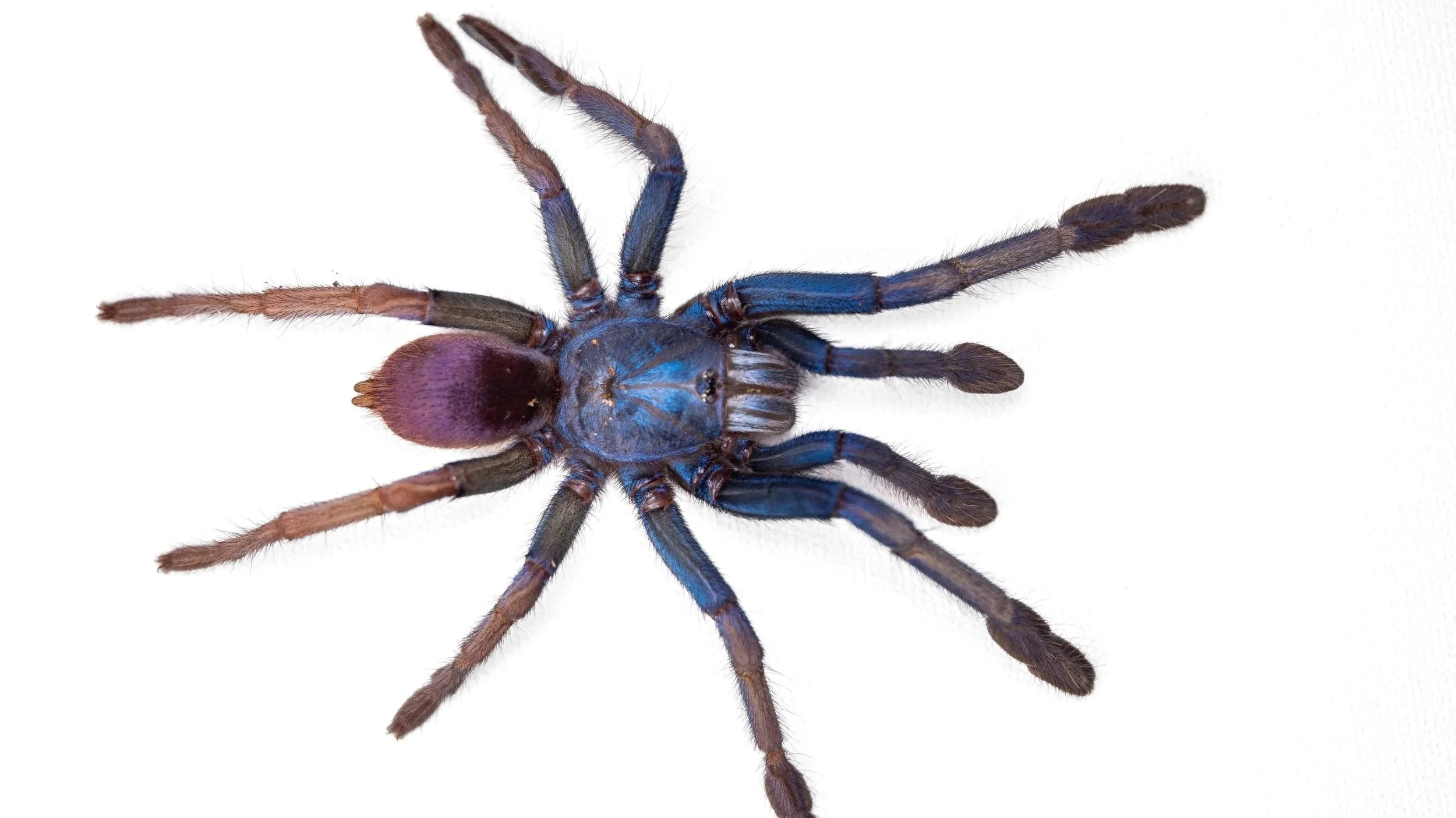
Can Tarantulas & Spiders Get High?
It’s 4/20, which means somebody is eventually going to ask a question that sounds ridiculous but actually leads to some interesting biology: can tarantulas get high? The short answer is probably not in any way that resembles a human high. The longer answer has a lot to do with spider neurobiology, cannabinoid receptors, and why this is not something anyone should be testing on their animals.
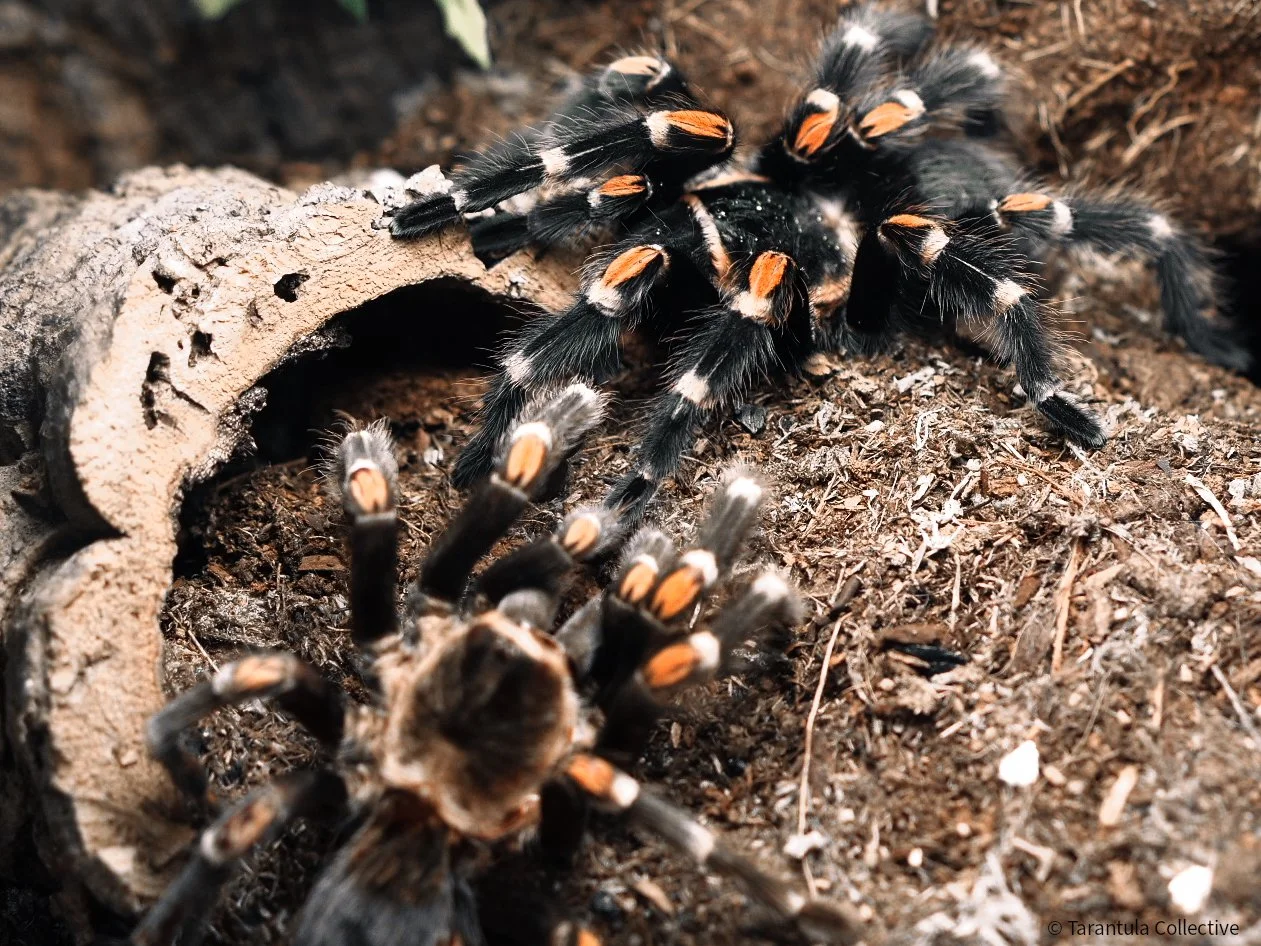
Signs Your Tarantula Is About to Molt
Molting is one of the most fascinating and stressful parts of keeping tarantulas. A spider that is getting ready to molt can stop eating, disappear into a burrow, look dark and swollen, and act like something is wrong when really everything is going exactly as it should. Knowing the signs of premolt helps you stay calm, avoid dangerous mistakes, and give your tarantula the best chance at a clean, successful molt.
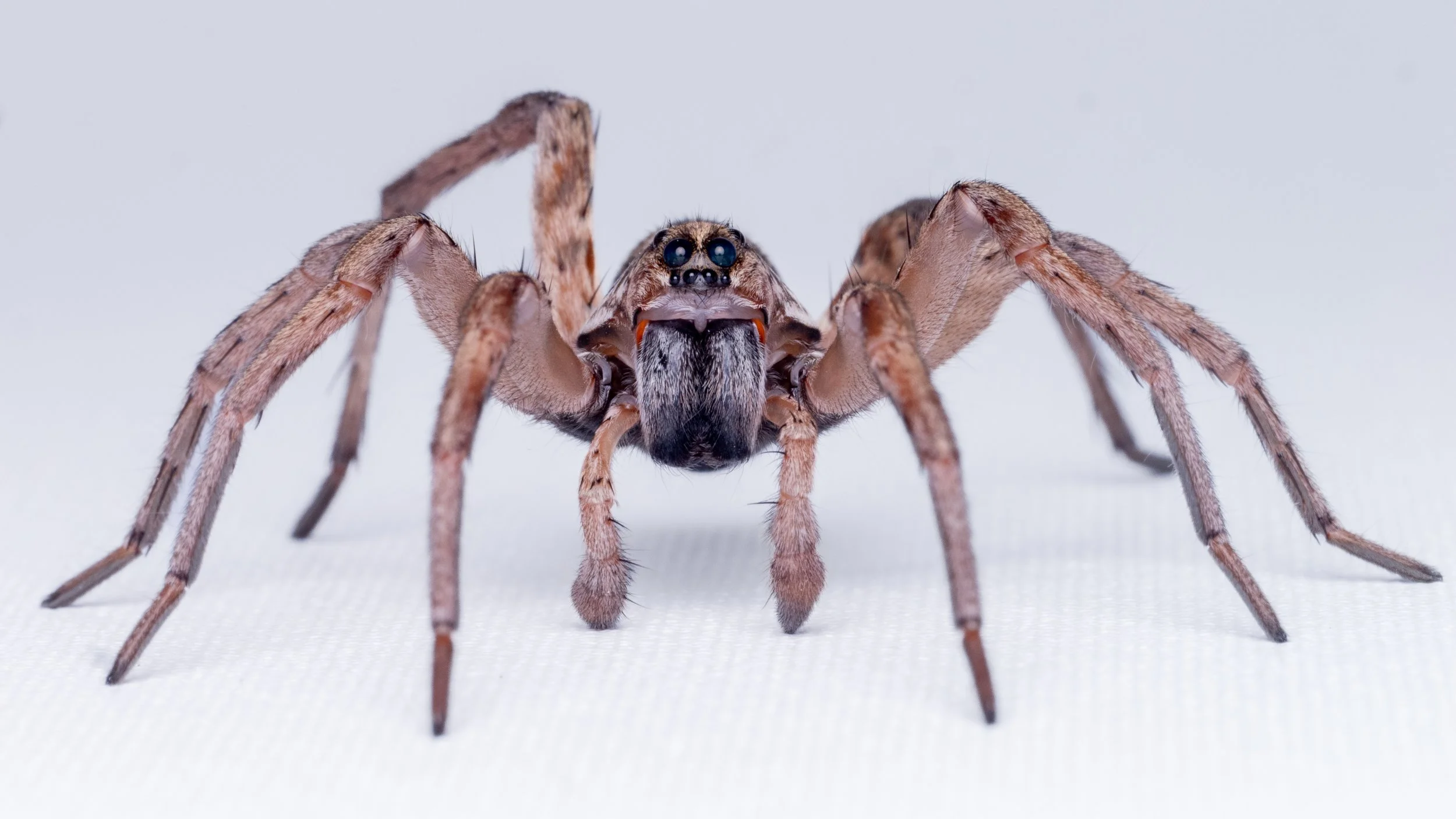
Humans and Spiders: The Roommates We Never Chose
Ever wonder why spiders always seem to turn up in your basement, bathroom, or garage, even when nobody invited them? That awkward roommate situation may be older than civilization itself. Humans and spiders have probably been sharing shelter for a very long time, from caves and rock overhangs to modern homes, and that long history may help explain both why spiders live around us and why so many people react so strongly to them.
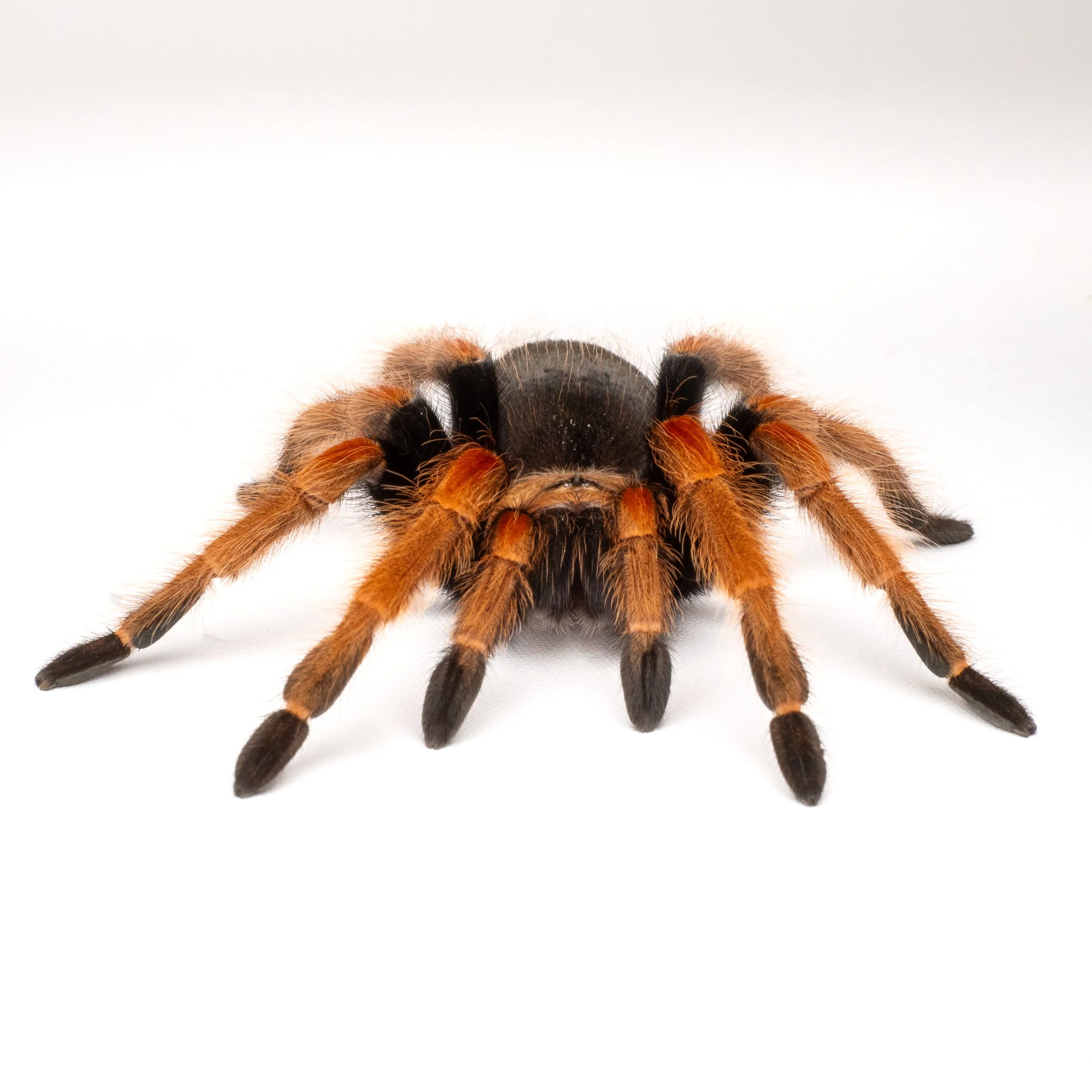
Tarantulas and Temperature: The Winter Myth That Gets Spiders Killed
Temperature is one of the most misunderstood topics in the tarantula hobby. Every winter, new keepers panic when their house drops into the high 60s and start reaching for heat lamps or heating pads. The problem is, that reaction often creates the real danger. Here’s why mild cooling is usually not what kills tarantulas in winter, and what to do instead.
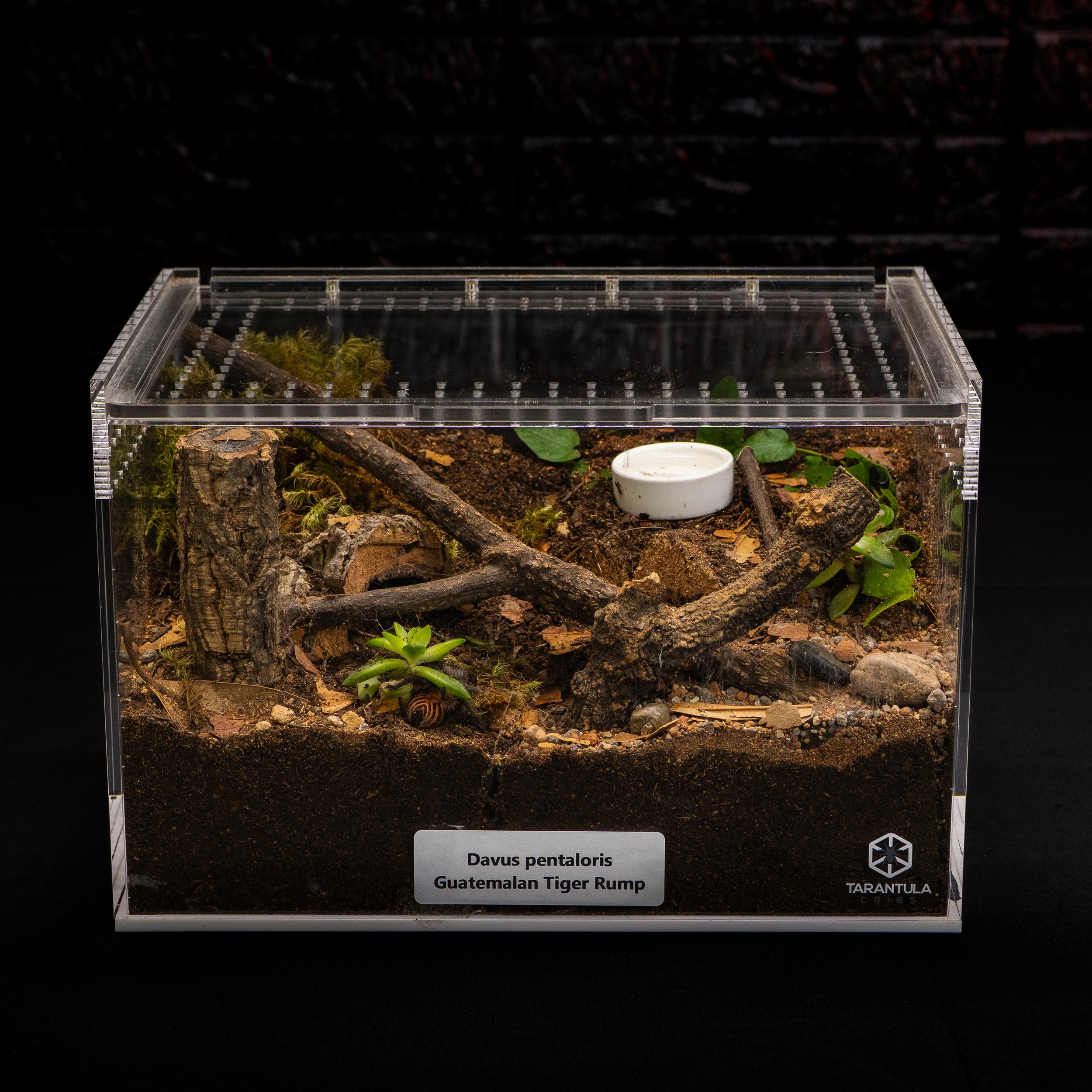
Tarantulas and Humidity: Why We Overthink It
Humidity might be the most misunderstood topic in the tarantula hobby. New keepers get told to chase exact percentages, stare at hygrometers, and panic if the number drops a few points. But tarantulas do not live by weather app statistics. They live in microhabitats, and understanding that changes everything.

How Big Should a Tarantula Enclosure Be?
Most tarantula keepers have heard the rule that an enclosure should be about three to four times the spider’s leg span. It’s a useful guideline, but it’s important to understand what that rule actually means. In most cases, it tells you the minimum safe size, not necessarily the best size if your goal is to create a more natural, functional setup.
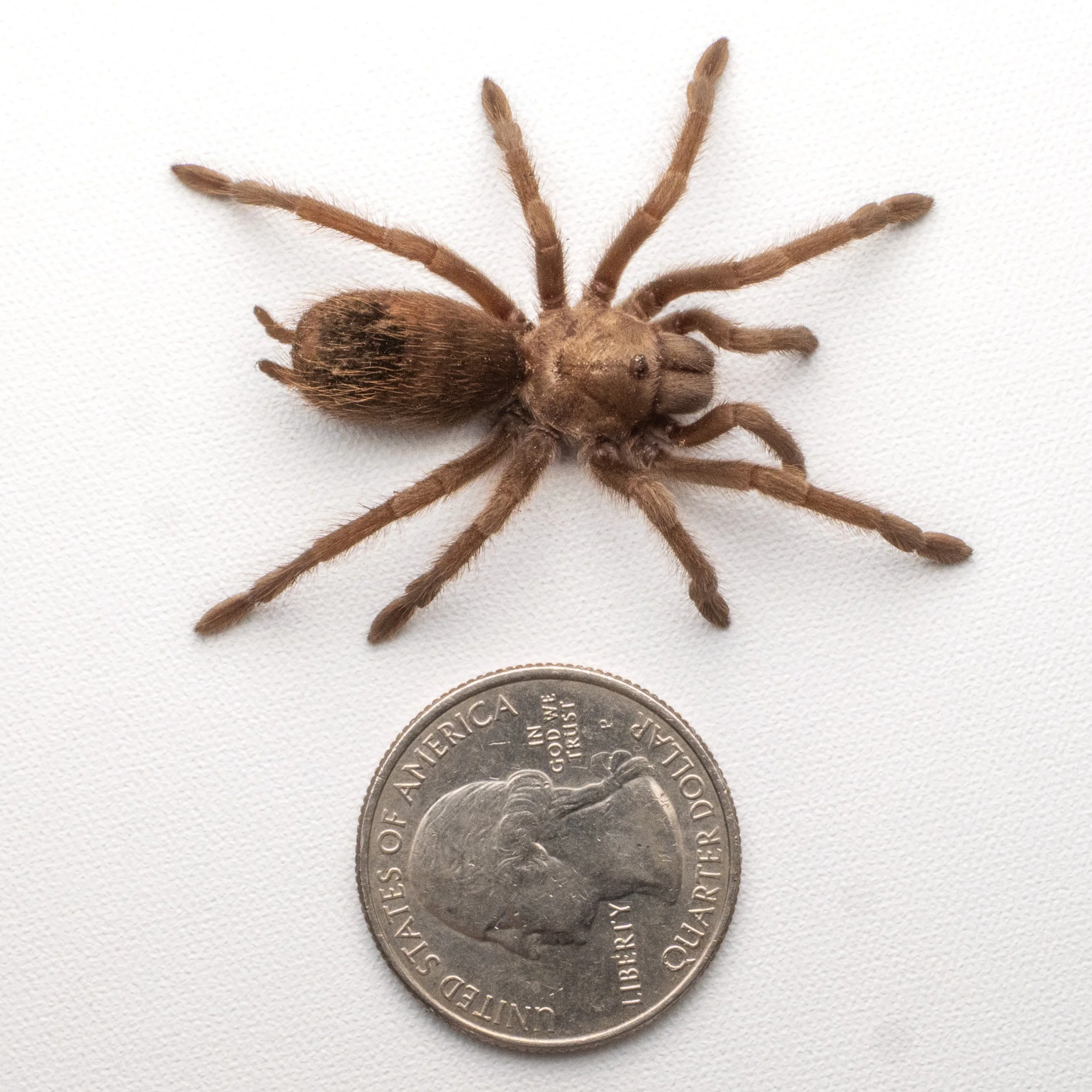
How to Feed Spiderlings and Scorplings
Feeding spiderlings and scorplings is one of the most important parts of raising them successfully. They are small, delicate, and have a much smaller margin for error than juveniles or adults. Here’s how often to feed them, what prey works best, and how to avoid the most common mistakes.
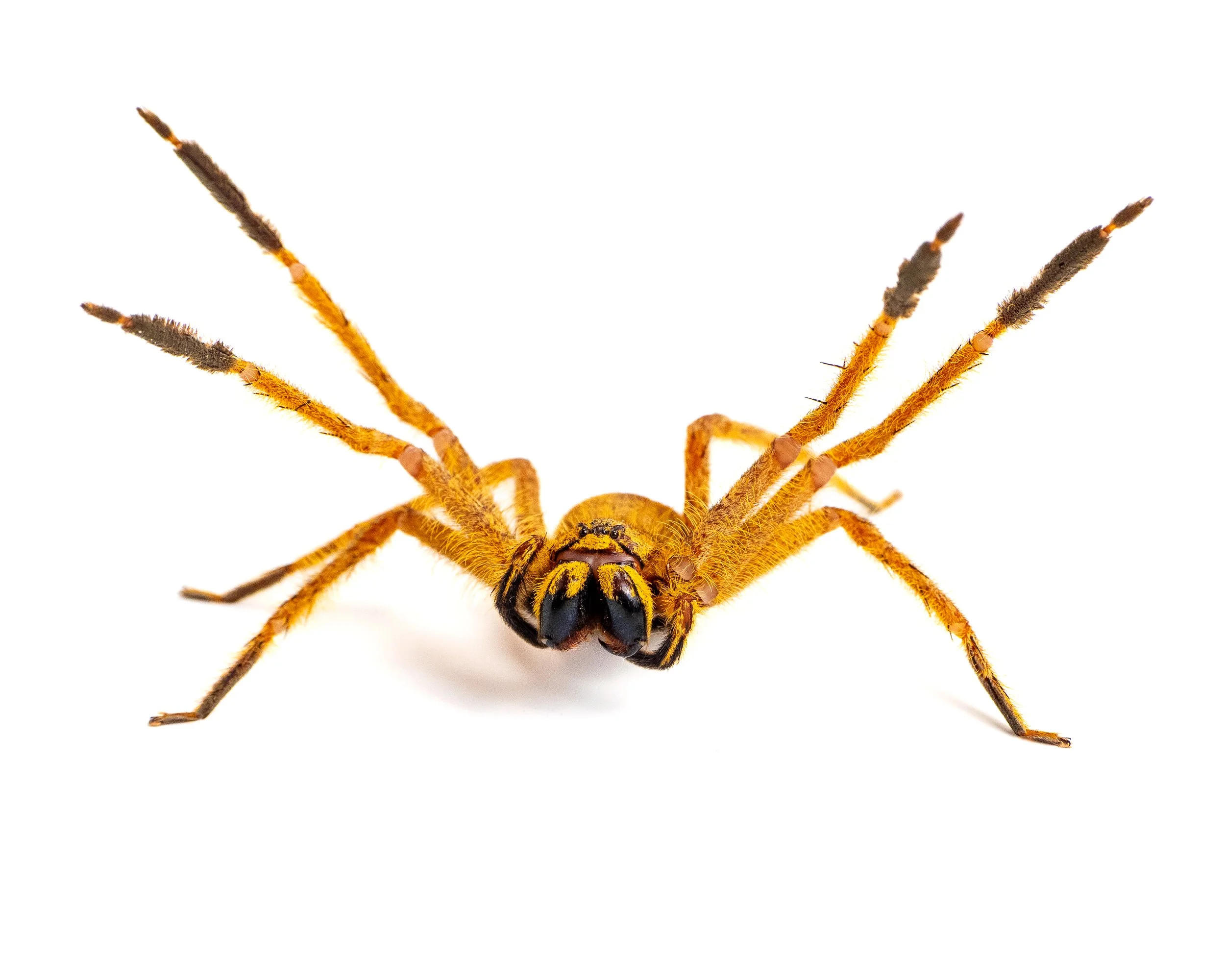
The Real Reason People Fear Spiders
Why are so many people more afraid of a spider on the wall than things that are actually far more dangerous? The answer has less to do with real risk and more to do with how the human brain notices threats, misjudges danger, and absorbs fear from culture and media.
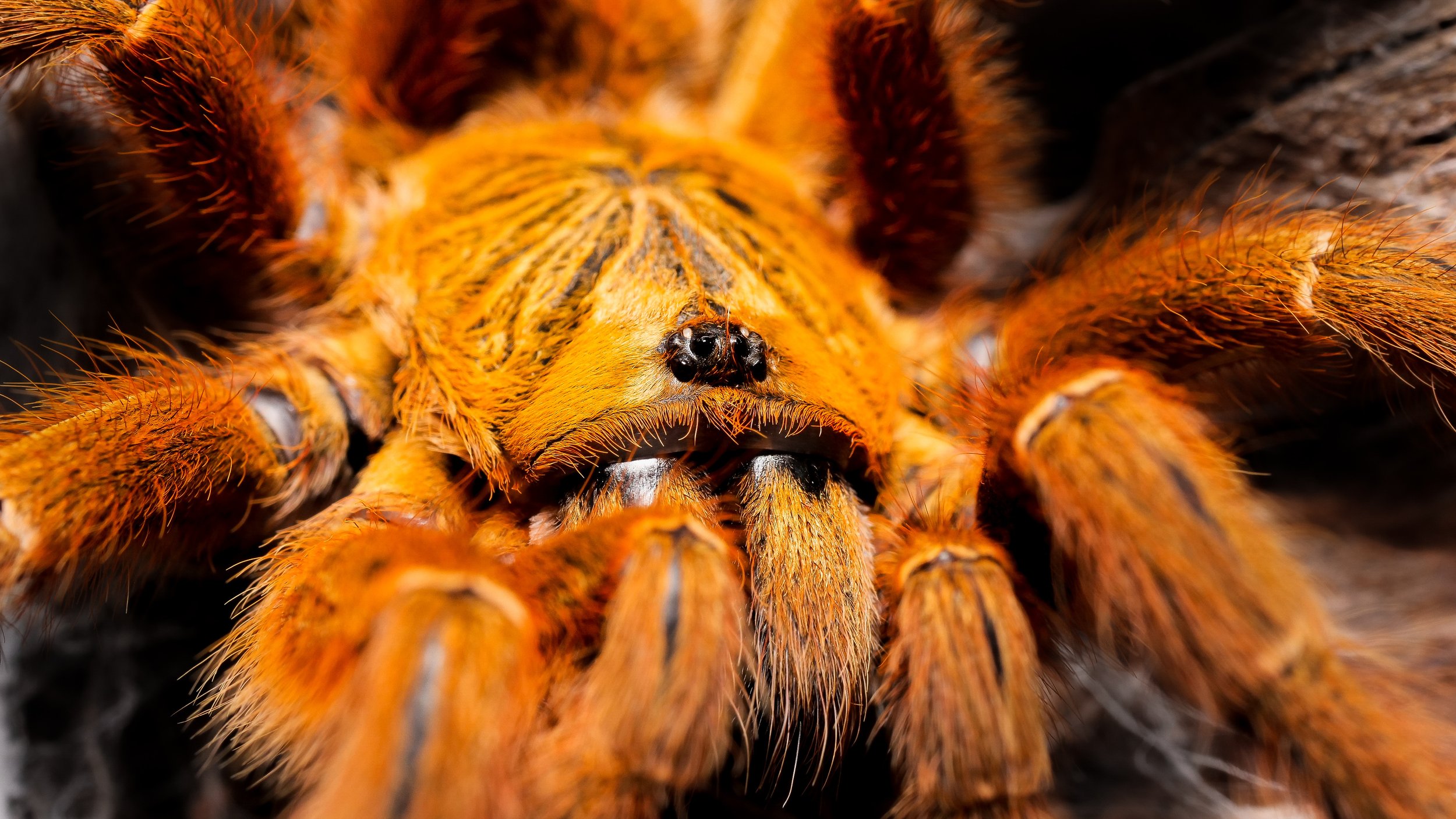
What Tarantulas Can Teach Us About Change This Spring
Spring is the season of renewal, and tarantulas may embody that idea more literally than almost anything else. This article explores how premolt, molting, and the vulnerable post-molt stage reveal a deeper truth about growth: real change is often uncomfortable, necessary, and slow to harden into strength.
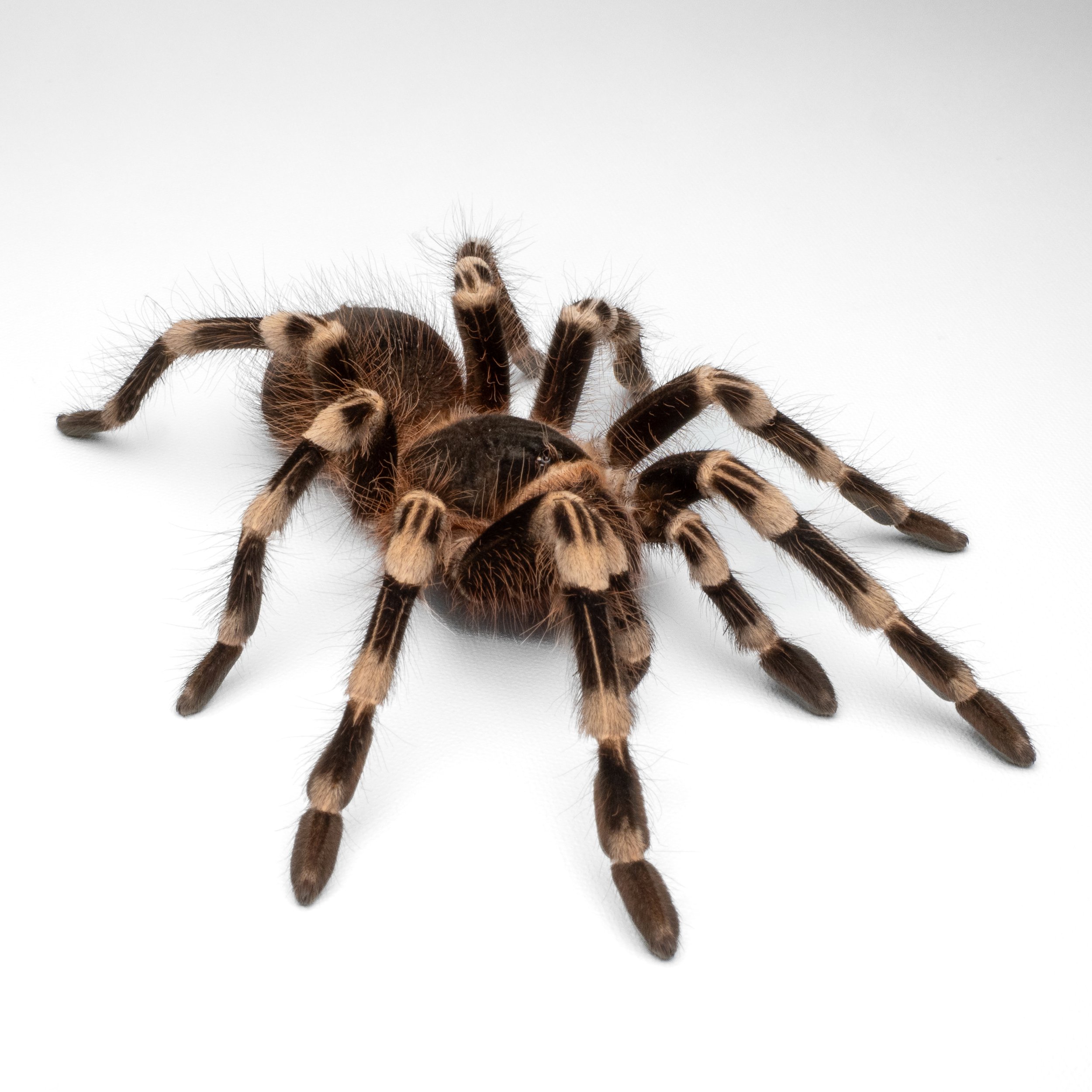
Are Tarantulas Actually Happy in Captivity?
Are tarantulas actually happy in captivity? That sounds like a simple question, but it is probably the wrong one. A better question is whether we are meeting their biological needs, minimizing chronic stress, and giving them a stable life that respects what they are.
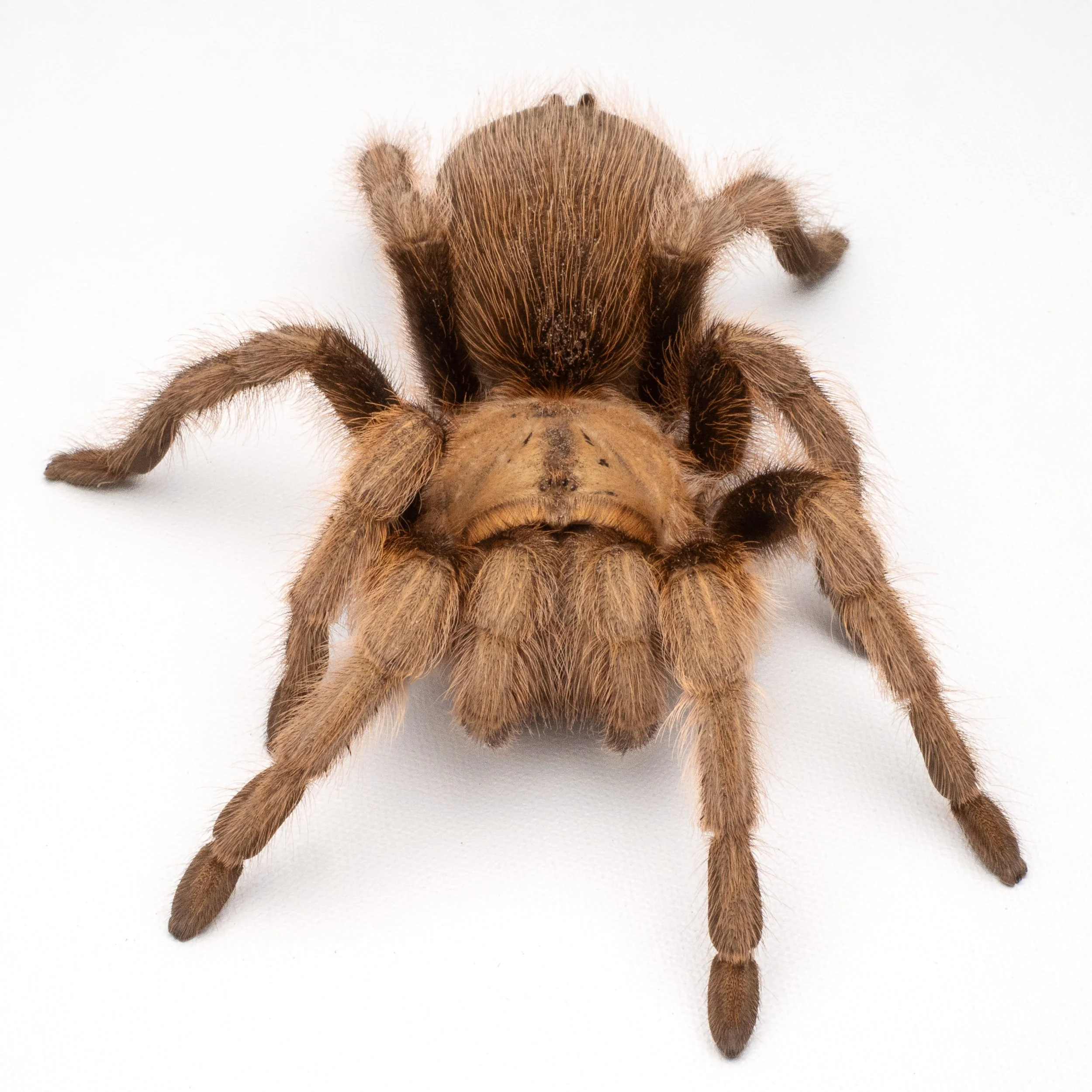
5 Tarantulas That Live the Longest
One of the first things that surprises people about tarantulas is how long some of them can live. We are not talking about a pet that is around for a couple years and then gone. In the right circumstances, some female tarantulas can be with you for decades. Here are five species that are consistently mentioned among the longest-lived tarantulas in the hobby, along with why their biology seems to favor the long game.
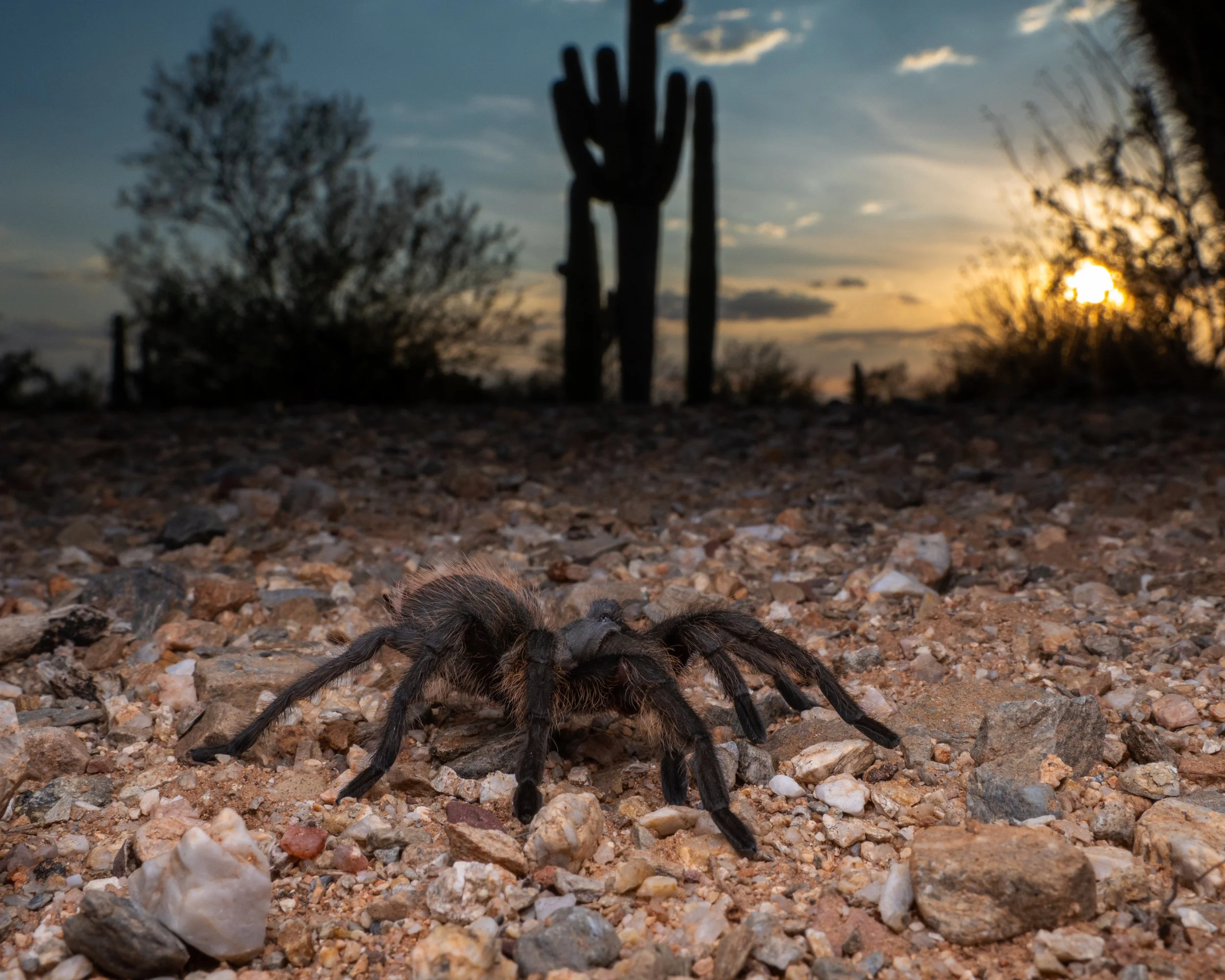
Do Tarantulas Know Where They’re Going?
Most people think of tarantulas as simple ambush predators that just sit near a burrow and react to whatever walks by. But a new paper suggests there may be more going on. Based on nine field observations from across the Americas, researchers argue that tarantulas may be capable of more flexible, experience-based navigation than we usually give them credit for. The key word there is may, and that matters.
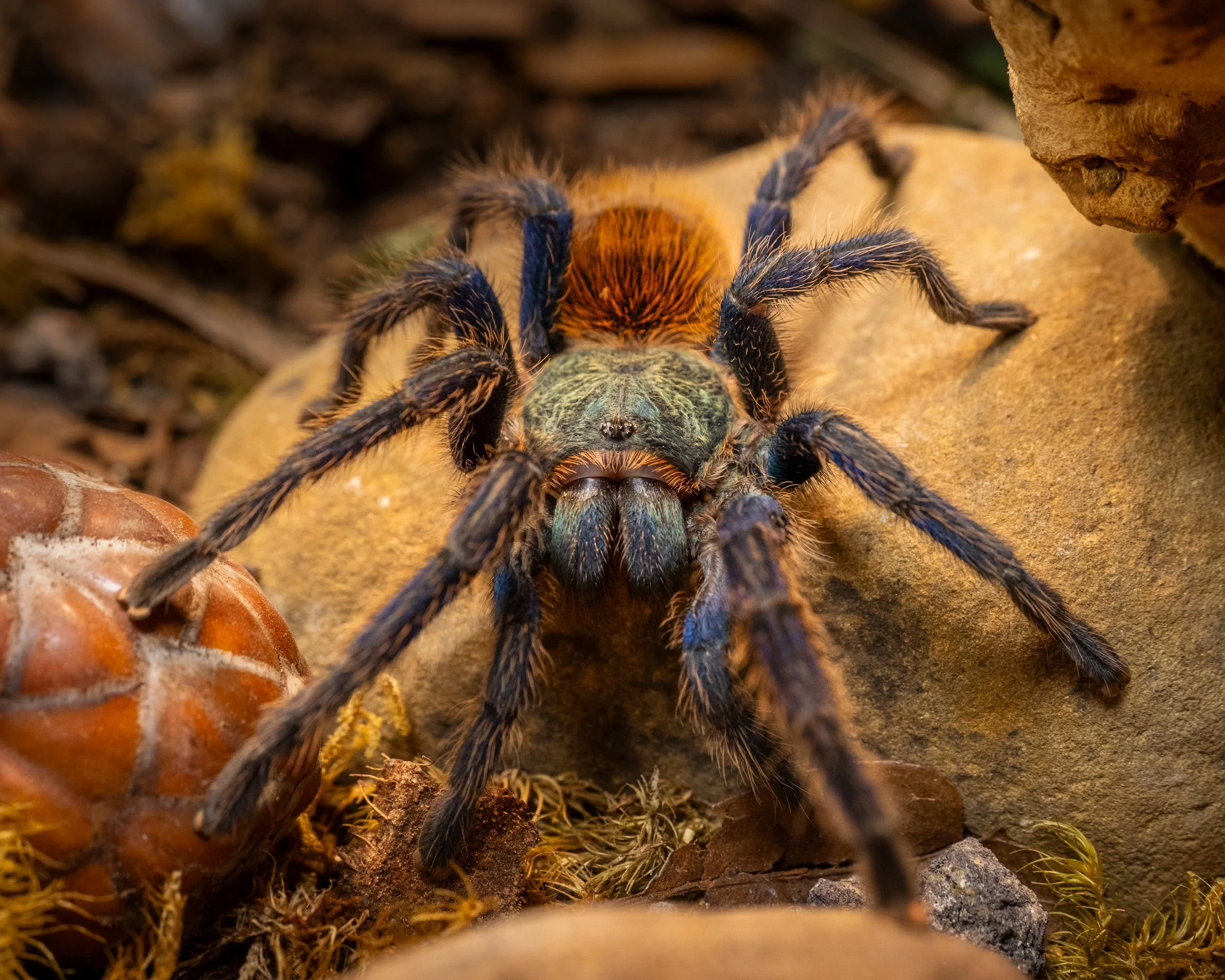
The Ethics of Wild-Caught Tarantulas
Wild-caught tarantulas are one of the most debated topics in the hobby, but the answer is not as simple as “always wrong” or “no big deal.” Here’s a closer look at habitat destruction, trade regulation, captive breeding, and what responsible keepers should actually be asking before they buy.
Support Tarantula Collective
If this article helped you, taught you something new, or saved you from making a bad husbandry decision, you can support Tarantula Collective here. Donations help fund care guides, videos, fieldwork, photography, and the ongoing work of keeping this content free.
proud member of the
American Arachnological Society